Every year has its symbols. In 2025, they were not monuments or movements, but objects, mundane at first glance, quietly obsessive upon closer inspection. A stainless-steel cup. A pistachio-filled chocolate bar. A small vinyl figurine with mischievous eyes. These were the items that traveled faster than fashion weeks, crossing borders through social feeds, café counters, and carry-ons.
What united them was not price or prestige, but presence. They were everywhere, and once you noticed them, you couldn’t unsee them.
Stanley Cup.. This Year’s Top Lifestyle Trend

Long before 2025, Stanley tumblers were already popular. This year, they became unavoidable. The oversized, insulated cup evolved from a practical water bottle into a lifestyle signifier, appearing in offices, cars, gyms, airports, and social media flat lays across the Middle East and beyond.
Its appeal lay in its neutrality: utilitarian design, muted colors, and a promise of durability. Stanley wasn’t selling hydration. It was selling reliability, routine, and a certain kind of aesthetic discipline, one that resonated deeply in a year obsessed with wellness rituals and soft structure living.
Collaborations with global retailers and cafés only amplified the phenomenon, cementing the cup as one of the most recognizable objects of the year.
How Dubai Chocolate Became a Global Sensation
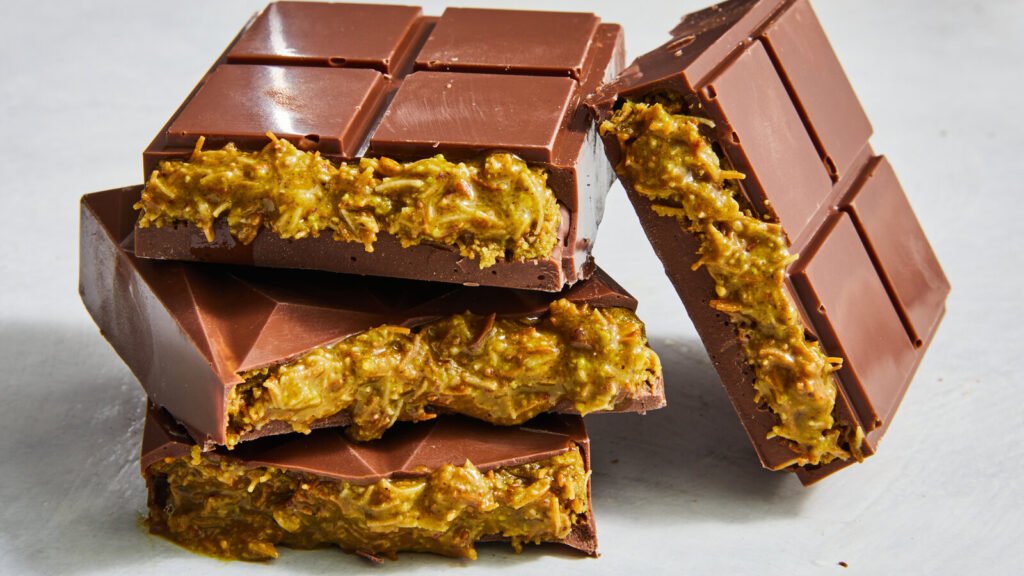
What began as a regional indulgence turned into a global craving. Dubai chocolate, most famously defined by its rich pistachio fillings, crisp textures, and indulgent sweetness, became one of 2025’s most referenced food trends.
The flavor profile migrated quickly. Cafés experimented. Home bakers replicated. Even global chains took notice, weaving pistachio-chocolate combinations into limited-edition drinks and desserts.
More than a viral bite, Dubai chocolate represented something larger: the growing influence of Middle Eastern taste on global food culture, no longer exoticized but adopted.
Starbucks Bear Cups: Collectibility in a Disposable World
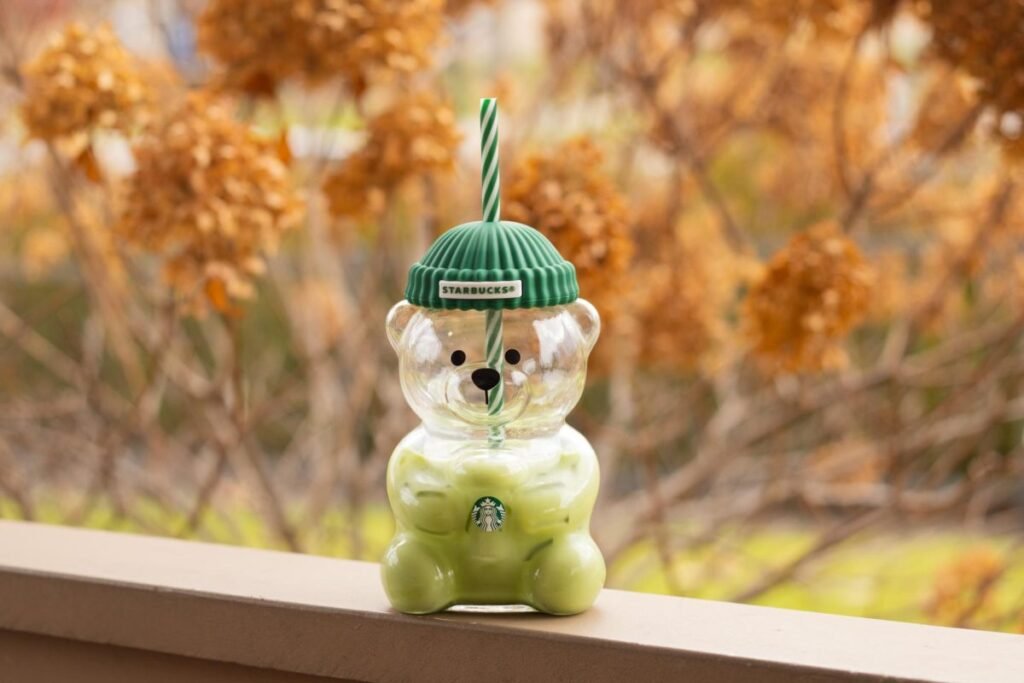
Starbucks’ seasonal cups have long been collectible, but in 2025, the Bearista cup crossed into cultural shorthand. Often photographed beside Stanley tumblers or paired with custom drinks, the bear-shaped cup became a symbol of small joy and soft nostalgia.
It wasn’t about coffee. It was about ritual. The cup marked seasons, moods, and moments, proof that even in a hyper-digital world, tangible objects still matter when they carry emotional weight.
Gua Sha and the New Era of Skincare Trends

Gua Sha tools were not new. But in 2025, they became essential. No longer framed solely as beauty tools, they entered the mainstream as instruments of intentional care, slow, tactile, and personal.
In bathrooms and bedside drawers across the Middle East and globally, Gua Sha symbolized a shift away from aggressive aesthetics toward gentler, more mindful routines. Its rise aligned with a broader cultural recalibration: less correction, more care.
Lululemon: Performance Becomes Everyday Wear
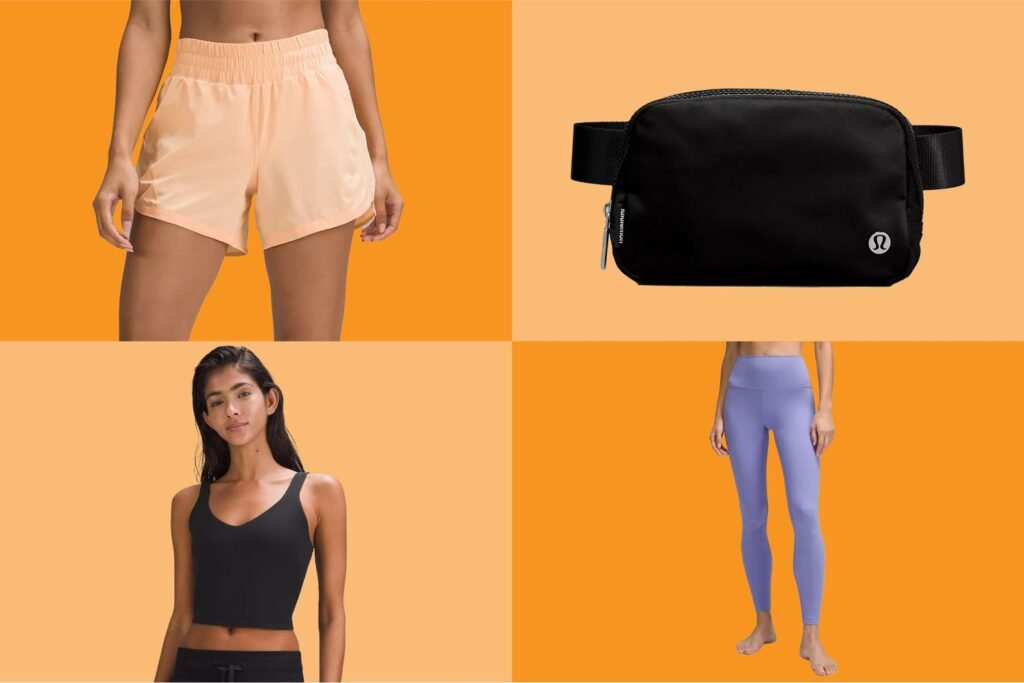
Lululemon’s presence in 2025 extended far beyond the studio. The brand’s pieces, leggings, tops, and outerwear became daily uniforms for a generation prioritizing comfort without sacrificing polish.
What made the Lululemon trend was not novelty, but consistency. It fit seamlessly into lives that blurred work, movement, and leisure. In a year defined by flexibility, the brand became a quiet constant.
Lattafa Perfumes: Scent as Statement
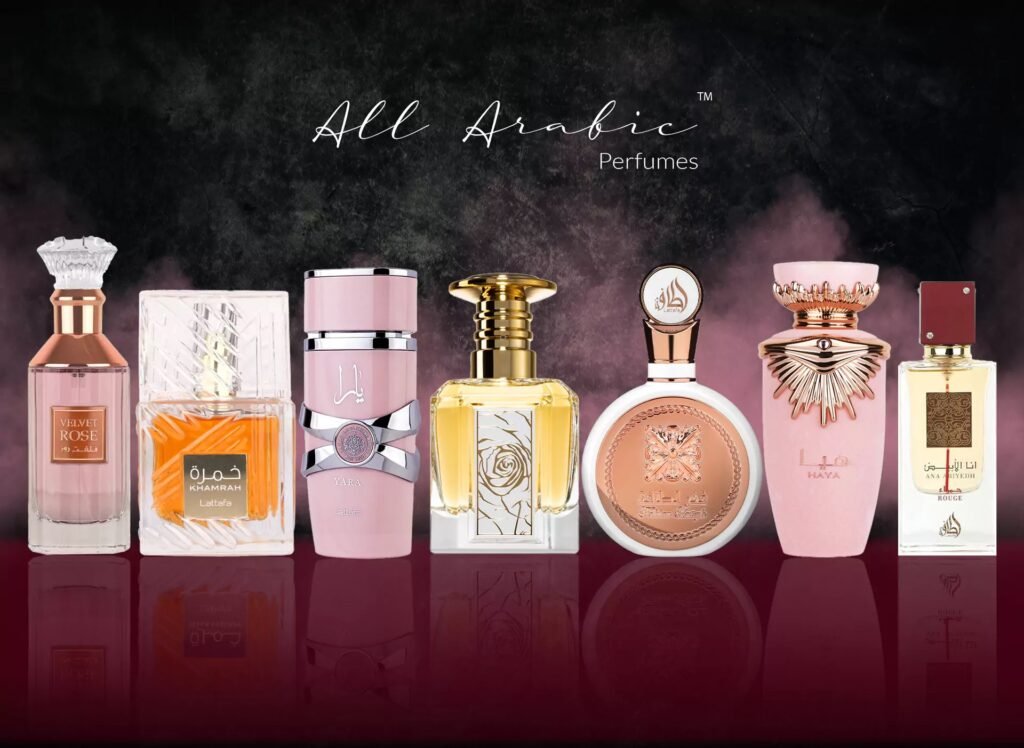
Arabic perfumery experienced a renewed global moment in 2025, with Lattafa at the center of the conversation. Rich, layered fragrances, often warm, sweet, smoky, or resinous, found audiences far beyond the region.
Lattafa’s appeal lay in its unapologetic intensity. In contrast to minimalist Western scents, these perfumes embraced presence. They lingered. They announced themselves. And in doing so, they reminded the world that fragrance is a cultural language.
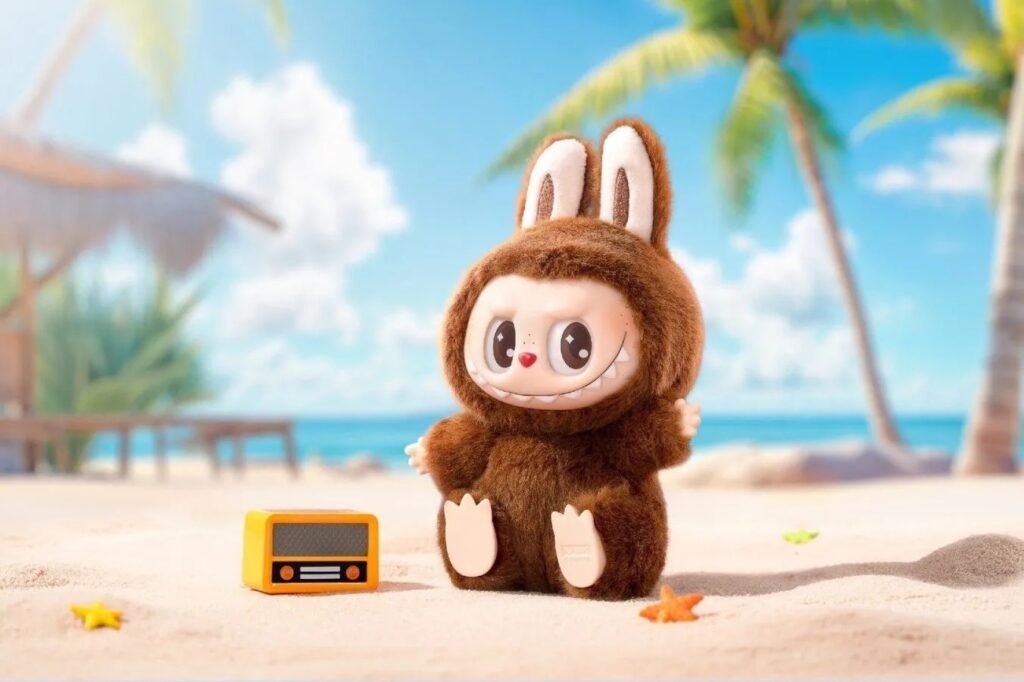
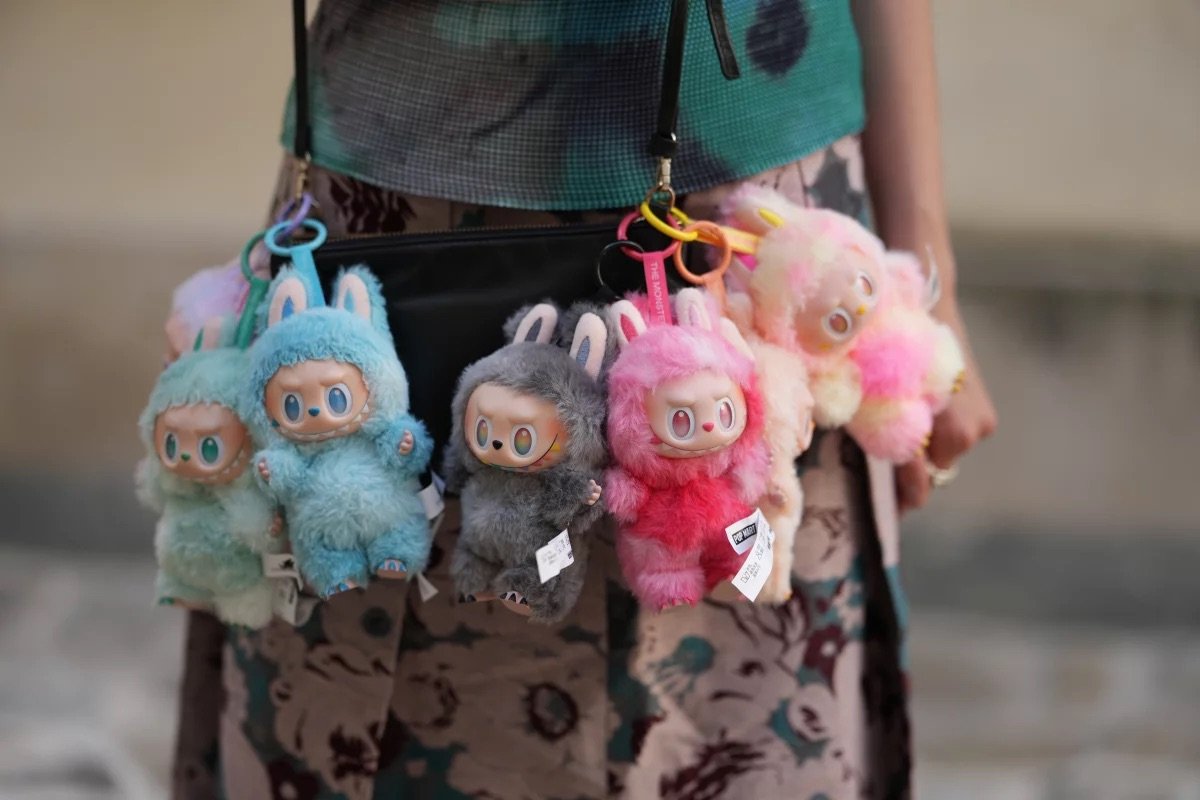
Small, mischievous, and instantly recognizable, Labubu figurines became one of 2025’s most unexpected obsessions. Created by artist Kasing Lung and popularized through collectible culture, Labubu crossed from niche art to mainstream visibility.
Displayed on desks, shelves, and social feeds, Labubu represented something rare: playful rebellion in an era of curated perfection. It wasn’t polished. It wasn’t minimal. And that was precisely the point.
What These Objects Really Represent
None of these trends was accidental. Together, they point to a larger cultural truth about 2025: people gravitated toward objects that felt grounding, expressive, and emotionally resonant.
These weren’t impulse buys. They were items that lived with people, used daily, displayed proudly, repeated endlessly.
In a year defined by uncertainty, the world didn’t chase excess. It chose familiarity, ritual, and objects that felt personal. And in that choice, these everyday items became cultural markers, quietly defining the year, one sip, scent, bite, and shelf at a time.