
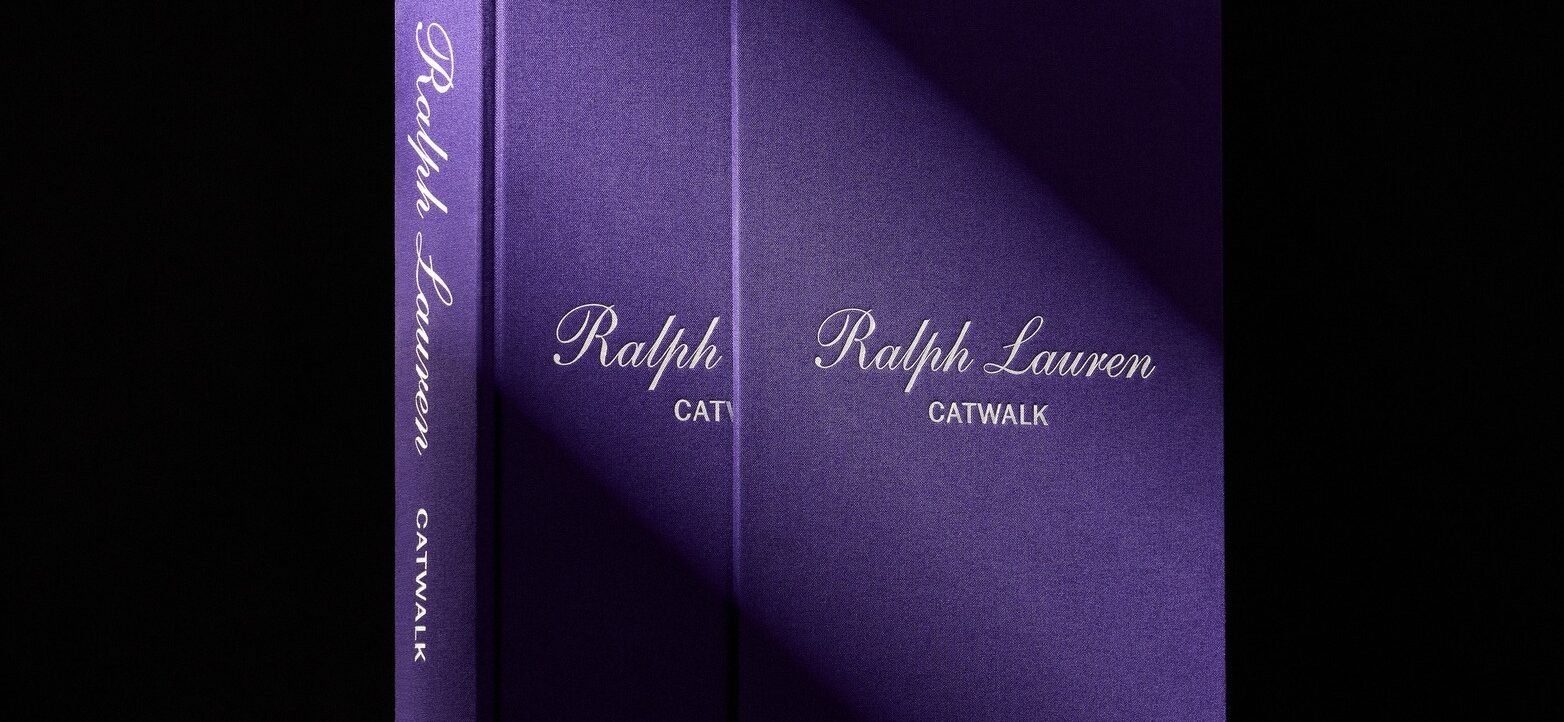
Thames & Hudson’s Catwalk series has spent years documenting the runway histories of the world’s most influential fashion houses, Chanel, Dior, Louis Vuitton, Prada, Vivienne Westwood, Versace, Givenchy, and Jean Paul Gaultier, among them. Every volume in the series has, until now, been European. Ralph Lauren Catwalk: The Complete Collections, published on May 7th, is the eleventh instalment, and the first to feature an American fashion house. That distinction alone says something about where Ralph Lauren sits in the canon, and what it has taken the fashion world this long to acknowledge.
What the Book Contains
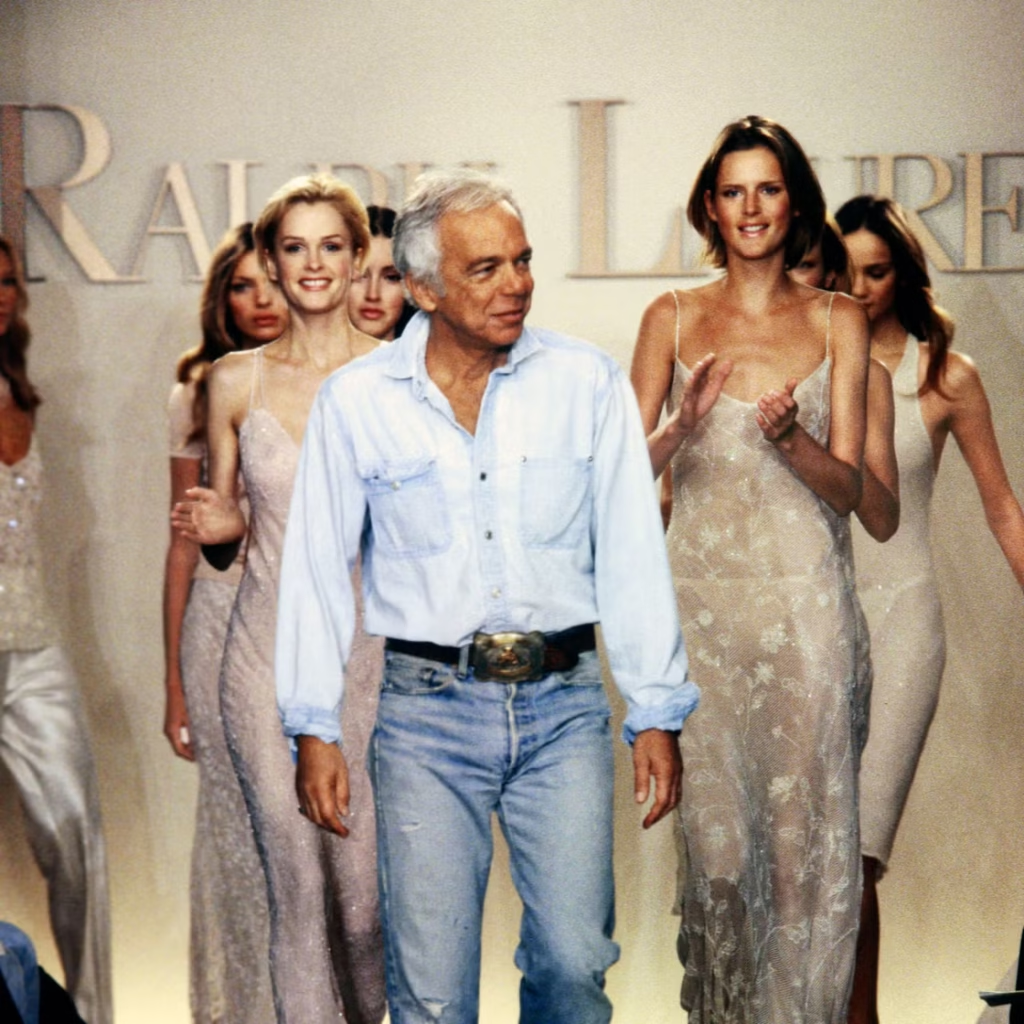
At 632 pages, the book contains over 1,300 original runway photographs and documents Lauren’s journey from his debut womenswear collection in Fall 1972 through his Fall 2025 show, more than 100 collections in total. It is written by Bridget Foley, a veteran fashion journalist and former executive editor at Women’s Wear Daily, who brings both historical rigour and genuine critical perspective to the material. Foley highlights Lauren’s cinematic approach to fashion, his instinct to build entire worlds rather than just collections, and the seemingly contradictory elements that define his signature: rugged and refined, masculine and feminine, the American West and New England prep existing in the same wardrobe. The book is clothbound in purple with silver lettering. It looks exactly like it should.
Why It Matters
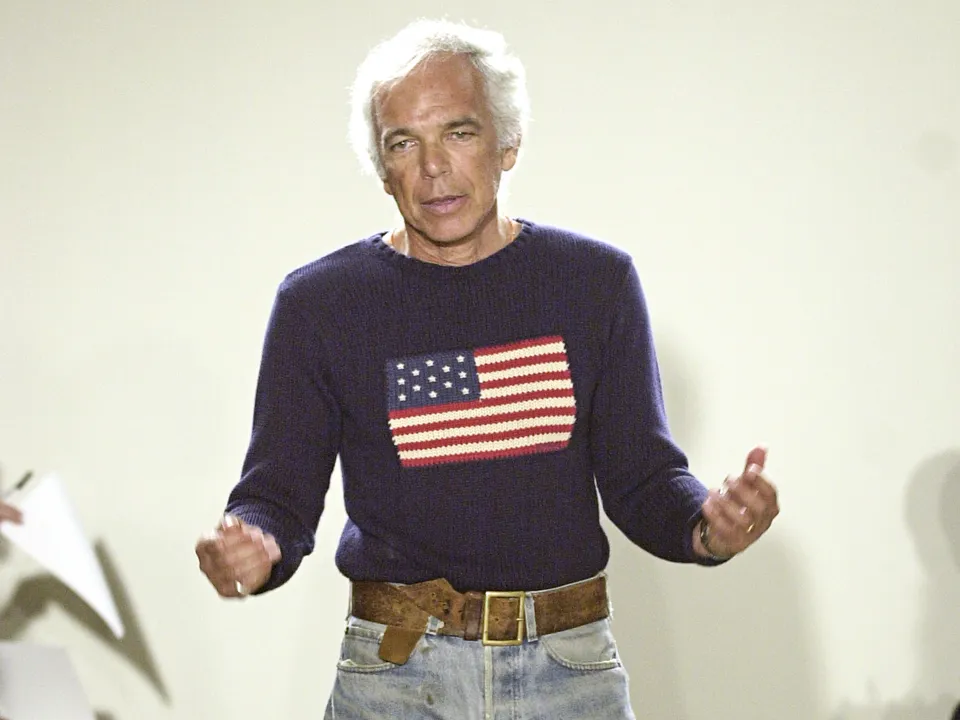
Lauren started his career in 1967, making neckties under the Polo label. Five years later, inspired by his wife, Ricky, he launched his first womenswear line. What followed over the next five decades was a body of work that shaped not just American fashion but the global idea of American style, aspirational, rooted in storytelling, and stubbornly resistant to trend. As Foley writes in the introduction: “The consistency is remarkable.” Pinstripe blazers, pleated skirts, and tailored windowpane trousers from those first collections could sit comfortably in a 2026 wardrobe. That is not an accident. It is a design philosophy.
With more than 2.5 million copies of the Catwalk series sold globally, this volume arrives as both a collector’s object and a critical document. For anyone serious about fashion history, or simply about understanding how one man built one of the world’s most enduring luxury brands from a rack of neckties, it is essential.