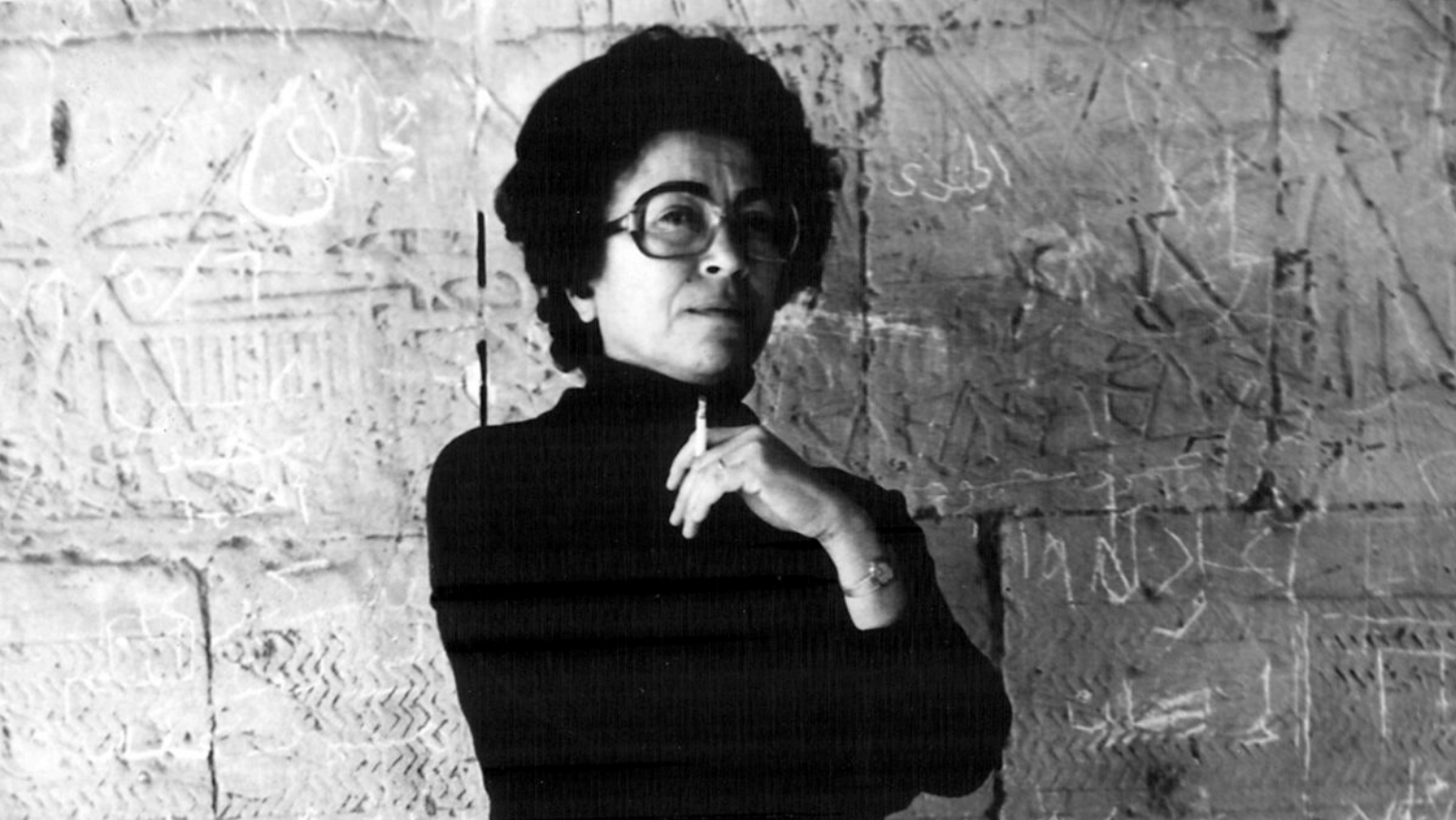

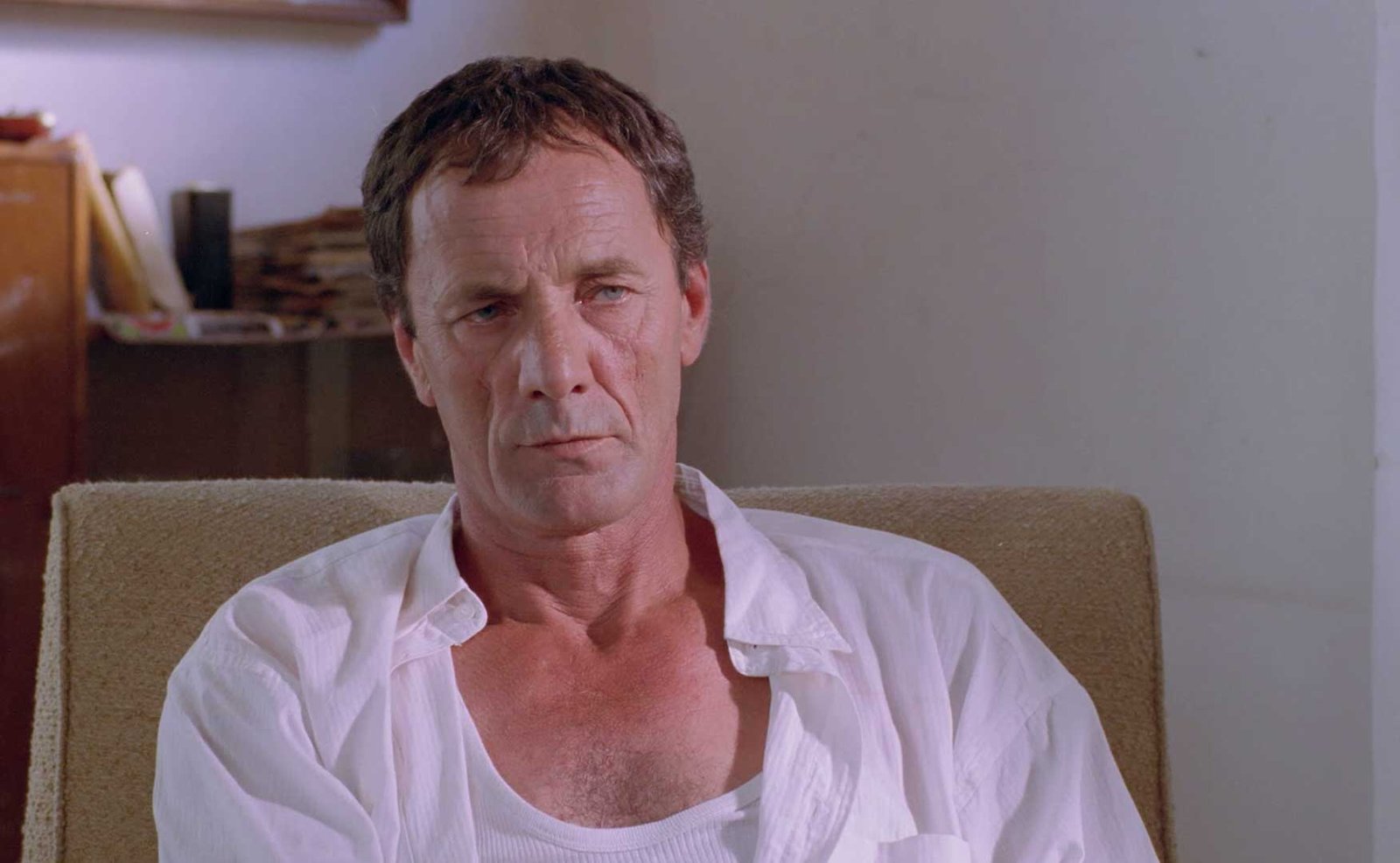
Mohammad Bakri, the renowned Palestinian actor and director whose work insisted on Palestinian humanity in the face of systematic repression, died on Wednesday, December 25, 2025, at Nahariya Hospital in northern Israel after suffering from heart disease. He was 72 years old.
Born on November 27, 1953, in the village of Bi’ina in the Galilee, Bakri emerged over five decades as one of the most significant figures in Palestinian cinema. This artist refused to separate creativity from political reality, believing that for Palestinians, art itself was a form of survival.
From Galilee to the Stage
Bakri grew up under Israeli military rule in a town that initially had no roads, no electricity, and no infrastructure. His first encounter with cinema came through a Christian electrical engineer named Youssef Boulos, who brought a gas-running projector to create the first movie theatre in Bi’ina. The projectionist would provide live translations of Hollywood movies with a small microphone; the projector’s noise was louder than the films themselves.
In 1976, Bakri began studying theater arts at Tel Aviv University. He studied Arabic literature alongside acting, and after completing his studies, he performed on major stages, including Habima Theatre, Haifa Theatre, and Al-Kasaba Theatre in Ramallah.
His talent quickly established him as a rising star. Bakri joined the Habima National Theatre, performing in major productions such as Blood Wedding and The Dybbuk. His one-man plays, The Pessoptimist (1986), The Anchor (1991), Season of Migration to the North (1993), and Abu Marmar (1999), were performed in both Hebrew and Arabic.
Breaking Through on Screen

Bakri made his screen debut at age 30 as the main Palestinian character in Costa-Gavras’s 1983 film Hanna K., but it was his role in Uri Barabash’s 1984 film “Beyond the Walls” that brought international recognition. His portrayal of a Palestinian prisoner in an Israeli prison earned critical acclaim in Israel and worldwide.
Following the Oscar nomination for “Beyond the Walls,” Bakri’s Israeli and international career surged, with appearances in “Cup Final,” “Scar” (1994), and “Desperado Square.” He collaborated with Gaza-born filmmaker Rashid Masharawi, appearing in films such as “Haifa” (1996) and “Laila’s Birthday” (2008).
Over his career, Bakri contributed to more than 40 works as an actor, director, and producer. His filmography spans internationally acclaimed productions including “Private,” “Wajib,” “The Tyrant,” “American Assassin,” “Tale of the Three Jewels,” and “All That’s Left of You.”
Yet throughout his success, Bakri consistently refused to renounce his Palestinian identity or subsume it within the Israeli-Jewish cultural mainstream.
The Film That Changed Everything

In 1998, Bakri made his debut as a director with the film “1948,” released on the 50th anniversary of the Nakba. The film chronicled the ethnic cleansing of Palestinians by Zionist gangs to create the State of Israel, including survivor testimonies from massacres in Deir Yassin and al-Dawayima, archival photos, and interviews with Palestinian authors such as Taha Muhammad Ali and Liana Badr.
But it was his 2002 documentary “Jenin, Jenin” that would define the final two decades of his life. The film documented the Israeli invasion of the Jenin refugee camp in the occupied West Bank, drawing on interviews with Palestinian residents who survived the military assault. The 11-day offensive killed 52 Palestinians, including women, the elderly, and children, and nearly 300 homes were demolished by Israeli bulldozers.
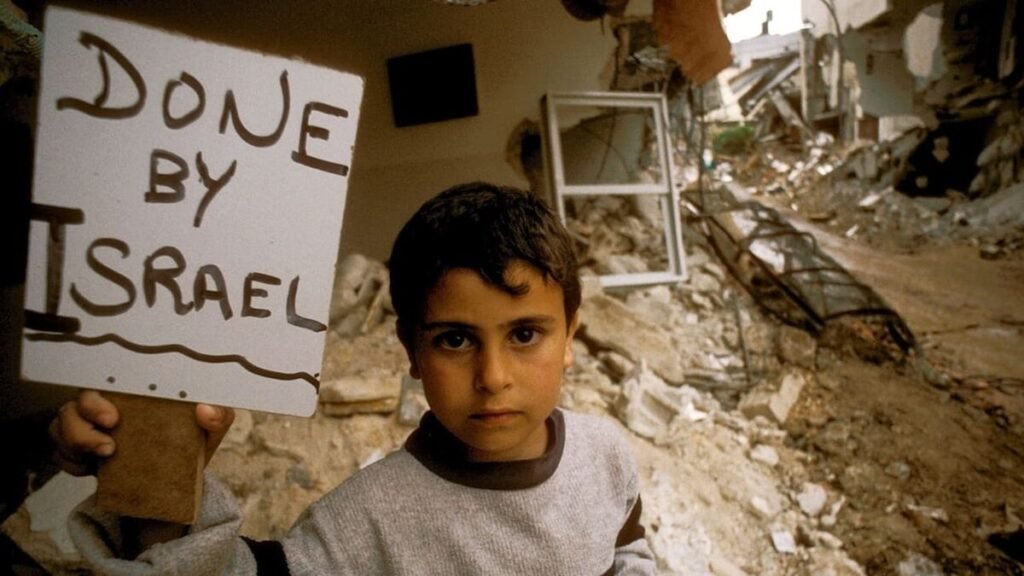
The film won Best Documentary at Carthage the same year but became a lightning rod for censorship, lawsuits, and intimidation. Five Israeli soldiers filed defamation lawsuits against Bakri, and although early court rulings rejected their claims, legal pressure continued.
In 2021, an Israeli court in Lod banned the film outright, ordered all copies seized, removed online links, and fined Bakri hundreds of thousands of shekels, effectively criminalizing Palestinian testimony. The Israeli Supreme Court upheld the ban in 2022, ruling the film defamatory.
For more than two decades, Bakri was dragged through Israeli courts, denied funding, excluded from cultural platforms, and treated as a threat for refusing to be silent. He had been paying his fine for defaming an Israeli soldier in monthly installments ever since the ruling.
Art as Testimony
Bakri maintained that his work sought to preserve memory rather than establish legal truth. He repeatedly said the film did not claim legal truth but preserved Palestinian memory, something Israeli institutions have long sought to erase.
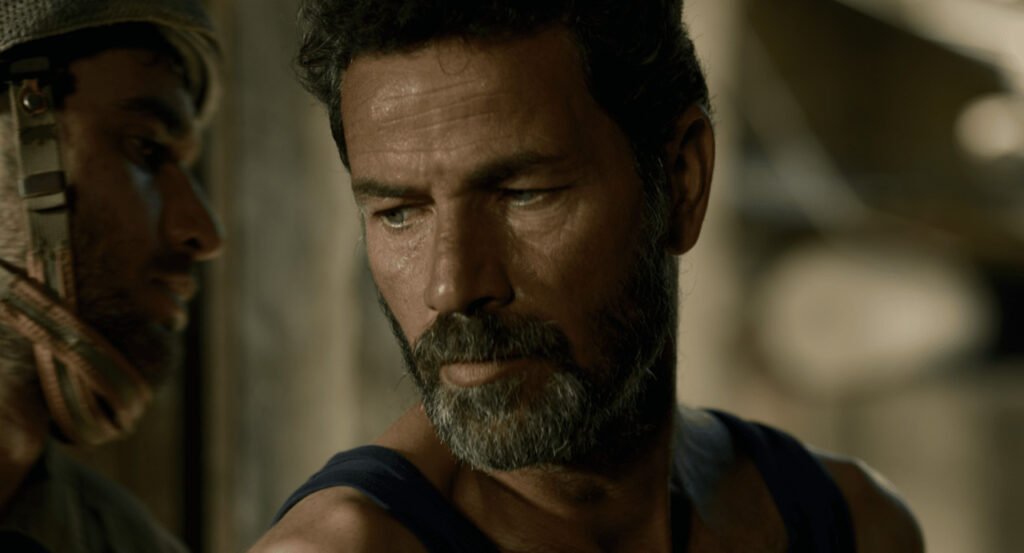
The persecution had an unintended consequence. Bakri’s son, renowned actor Saleh Bakri, noted that the sustained censorship and persecution his father faced ultimately amplified the film’s reach rather than suppressing it.
A Dynasty of Artists
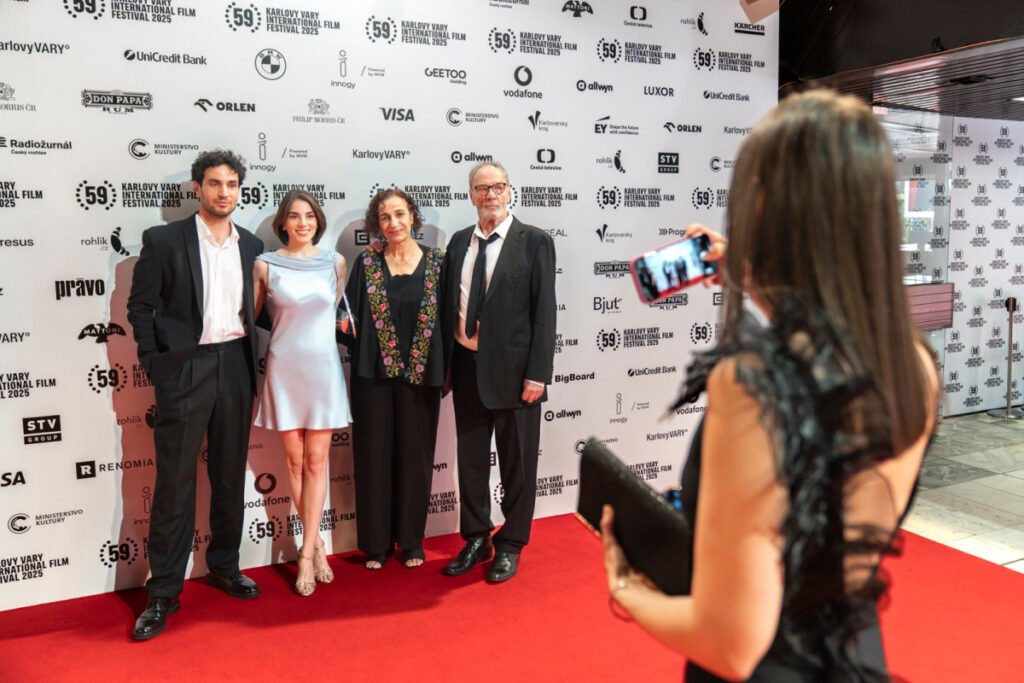
Bakri is survived by his wife, Leila, and six children, including Adam, Ziad, and Saleh, who are also actors. Together, they form one of the most influential acting dynasties in Palestinian cinema, with Saleh appearing in “The Time That Remains” (2009) and “The Blue Caftan” (2022), Ziad in “Miral” (2010), Adam in “Omar” (2013), and Mahmoud in “To a Land Unknown” (2024).
When asked in 2024 if he ever considered leaving his hometown in Galilee after decades of resistance, Bakri fell silent for five minutes before finally answering, “I’d never leave, no. If they [his sons] decide to leave, though, I wouldn’t be sad.”
His directorial work also included “Since You’ve Been Gone” and “Zahra.” Most recently, he was working on “Jenin, Jenin 2,” which was banned last year without a court order, in a breach of normal Israeli law.
Recognition and Legacy
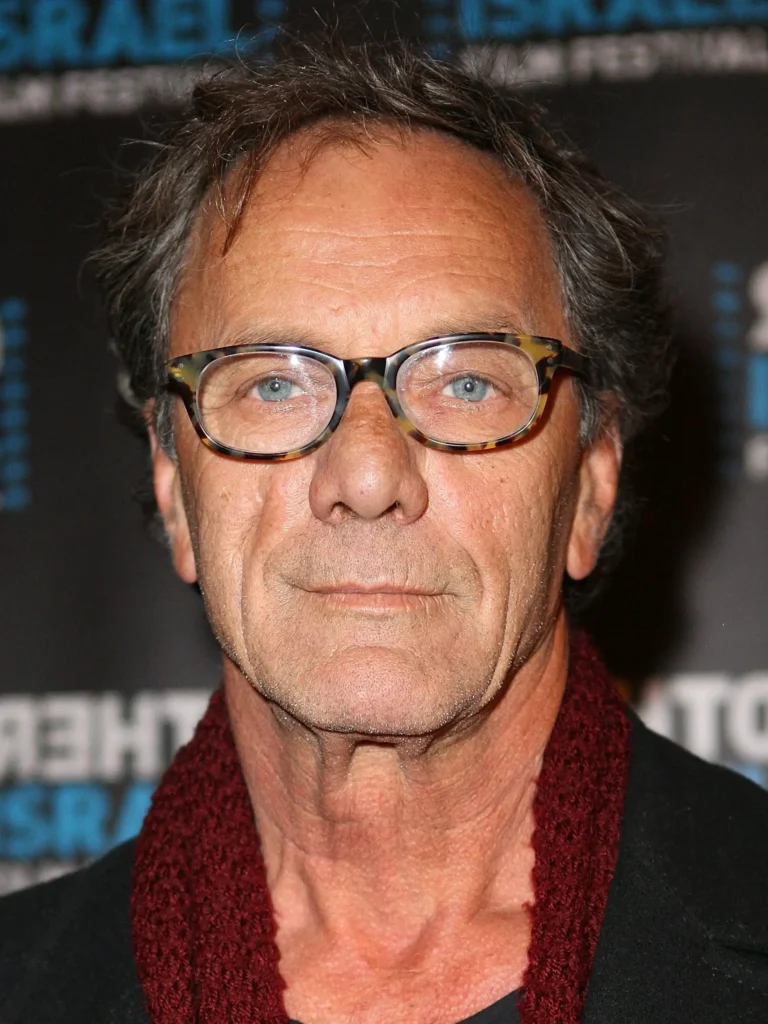
Bakri received numerous awards, including the Palestine National Appreciation Award in 2023, and major international honors for acting and documentary filmmaking. His accolades included Best Actor awards at festivals in Buenos Aires (2005), Locarno (2004), and Valencia (1997, 1994).
He embodied the belief that Palestinians have the right to narrate their own lives, to mourn publicly, to document violence, and to imagine freedom. His work helped place Palestinian cinema on the global stage at a time when visibility itself was a form of defiance.
Over a career spanning five decades, he acted in more than 40 films and directed some of the most politically significant documentaries in modern Palestinian history.
Mohammad Bakri’s life was a testament to the power of art as resistance, memory as survival, and the refusal to be silenced. In a 2024 interview, reflecting on his decades of work, he described creative expression as inseparable from the conditions in which Palestinians live, a conviction he carried until his final breath.
His documentary “Jenin, Jenin” remains available on Vimeo, a lasting act of testimony that continues to speak long after the cameras stopped rolling.