
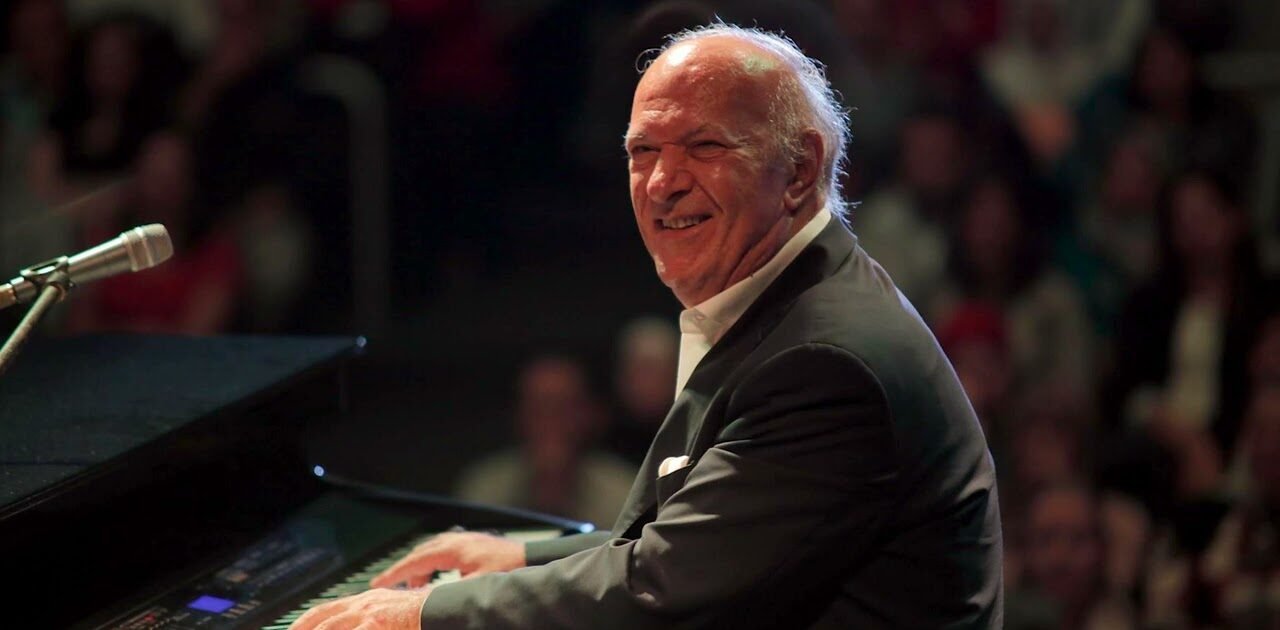
Egyptian composer Omar Khairat will perform live with the Royal Philharmonic Orchestra on Saturday, May 23rd, 2026, at the Royal Albert Hall in London, one of the world’s most iconic concert venues. The concert begins at 7:30 pm and will be conducted by Maestro Nayer Nagui, with Yasmina El-Abd as the show host. For anyone who has grown up with Khairat’s music, and across Egypt and the Arab world, that is almost everyone, this is not just a concert. It is a homecoming of sorts, except the home is a Victorian rotunda in Kensington that has hosted everyone from The Beatles to Adele.
Who Omar Khairat Is
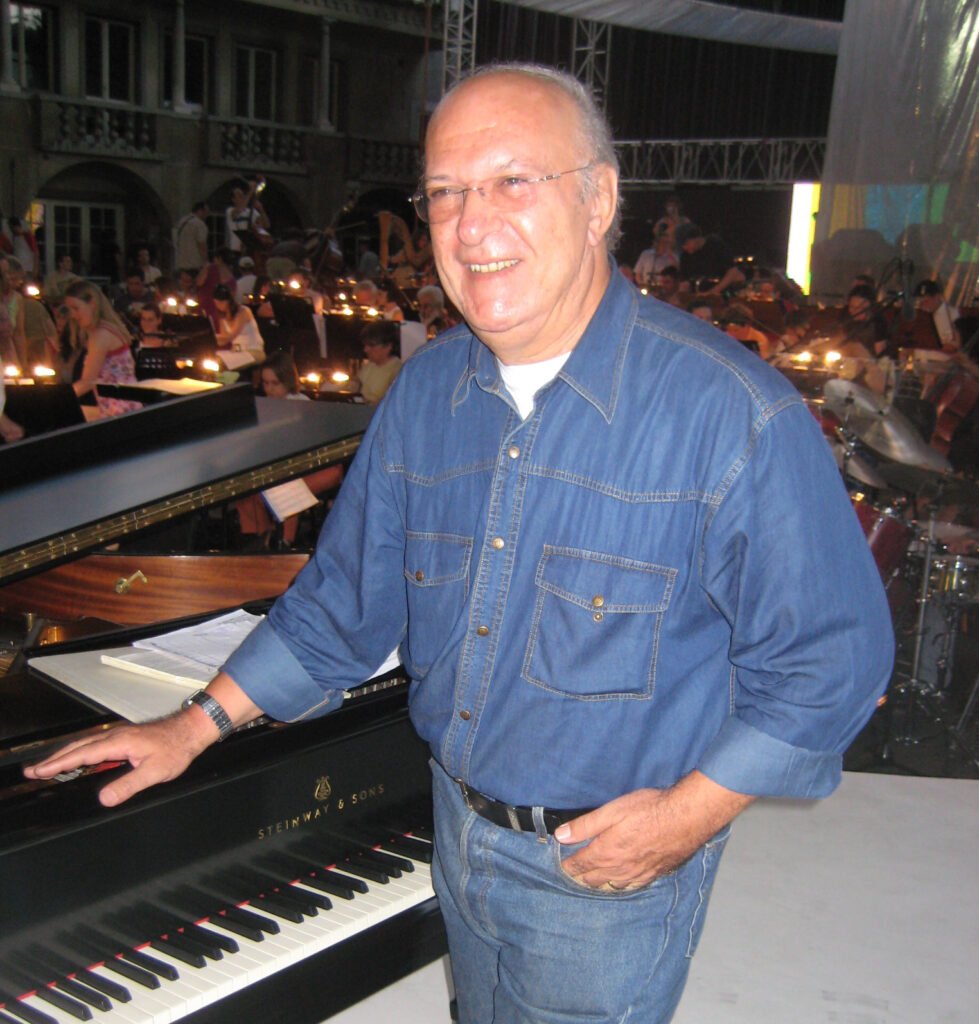
Khairat is widely regarded as one of the Arab world’s most influential contemporary composers, known for introducing a new style of musical experience through his blend of orchestral, cinematic, and traditional Arabic influences. He began his professional career as a film score composer in the mid-1980s with Leilat al Kabd Ala Fatma, starring legendary Egyptian actress Faten Hamama, and over a career spanning four decades, he has composed scores for more than 120 films and television series. Many of those scores have become inseparable from the films themselves, and from the collective memory of an entire region.

Why This Moment Matters
The concert is being described as an exceptional musical evening in which Khairat takes his audience on a journey through his most famous compositions, works that have marked a turning point in contemporary Arab music and have resonated deeply with Egyptian and Arab audiences for decades. Pieces like Zay El Hawa and 100 Years of Cinema carry the kind of emotional weight that translates across languages and nationalities. Performed with a full philharmonic orchestra at the Royal Albert Hall, they will carry even further.
There is also something significant about the venue itself. The Royal Albert Hall does not just host concerts, it confers a kind of cultural legitimacy that the Western music world has historically been slow to extend to Arab artists. Khairat standing on that stage, with his compositions filling that space, is a statement about where Egyptian music belongs. The answer, it turns out, is everywhere.