

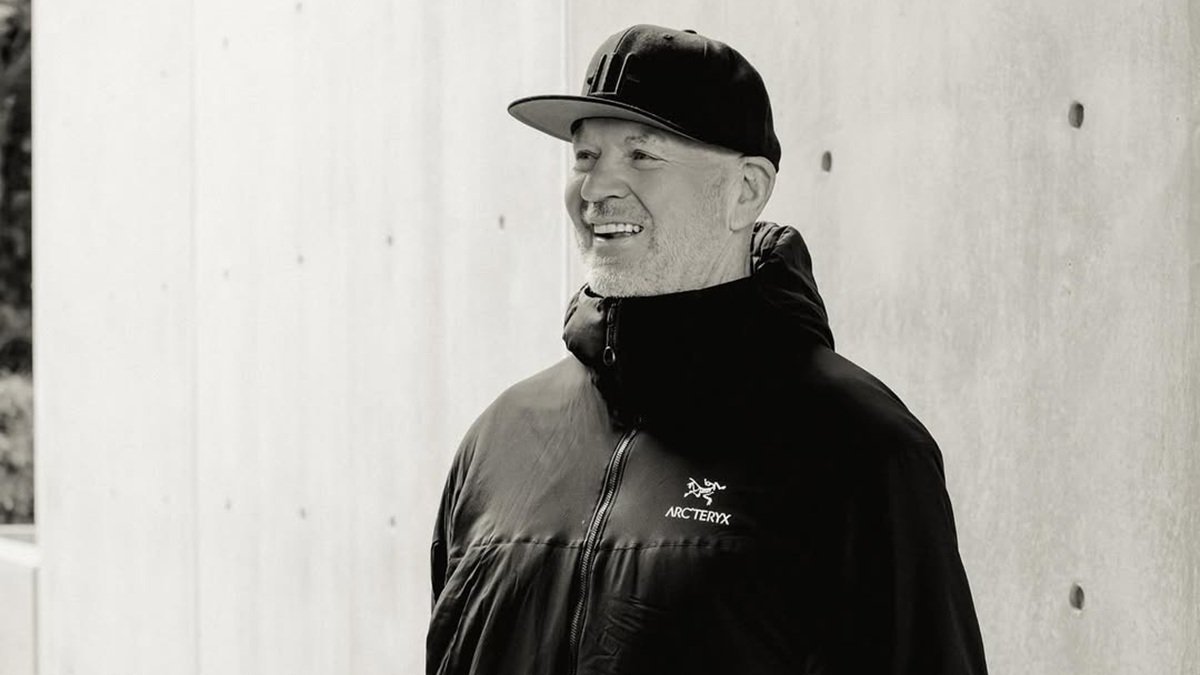
The story of Chip Wilson and Lululemon has been, for the past two years, a public and increasingly pointed argument. Wilson, Lululemon’s founder and largest individual shareholder, has repeatedly and publicly accused the company of becoming a lumbering corporate dinosaur that has lost its edge, saying it had “systematically dismantled the business model” that made it one of retail’s biggest success stories. He took out full-page ads, launched a proxy fight, nominated board directors, and demanded change. The board did not move fast enough for him. So this week, he moved on his own.
What Is He Building
Chip Wilson has set up a new Vancouver-based investment structure to back small, founder-led brands in the technical apparel market, a vehicle that combines new brand development with minority stakes in existing early-stage labels, supported by an operating partner to handle day-to-day functions. The venture will include new brands as well as existing small brands. The stated intent is to lead innovation in the technical apparel space, precisely the territory Wilson believes Lululemon has ceded to competitors.
The context matters. Lululemon’s shares have fallen 48 percent over the past five years, underperforming the S&P 500 by 116 percentage points. Meanwhile, newer rivals including Alo Yoga and Vuori are competing directly for the premium athleisure space Lululemon helped create. Wilson’s new venture is, in practical terms, a bet that he can do again what he did in 1998, find the gap in the market, back the right founders, and build something that the big players are too slow or too corporate to see coming.
Why It Matters Beyond the Drama
Strip away the proxy fight and the Wall Street Journal ads, and what remains is a genuine industry story. Wilson is widely regarded as a pioneering figure of the athleisure phenomenon that has permeated mainstream culture since its emergence, he did not just build a brand, he identified and named a consumer category that now generates hundreds of billions of dollars globally. The question his new venture poses is simple: can he do it again? The activewear market is more crowded than it was in 1998. But it is also more open to disruption than it has been in years. Wilson, clearly, thinks the timing is right.