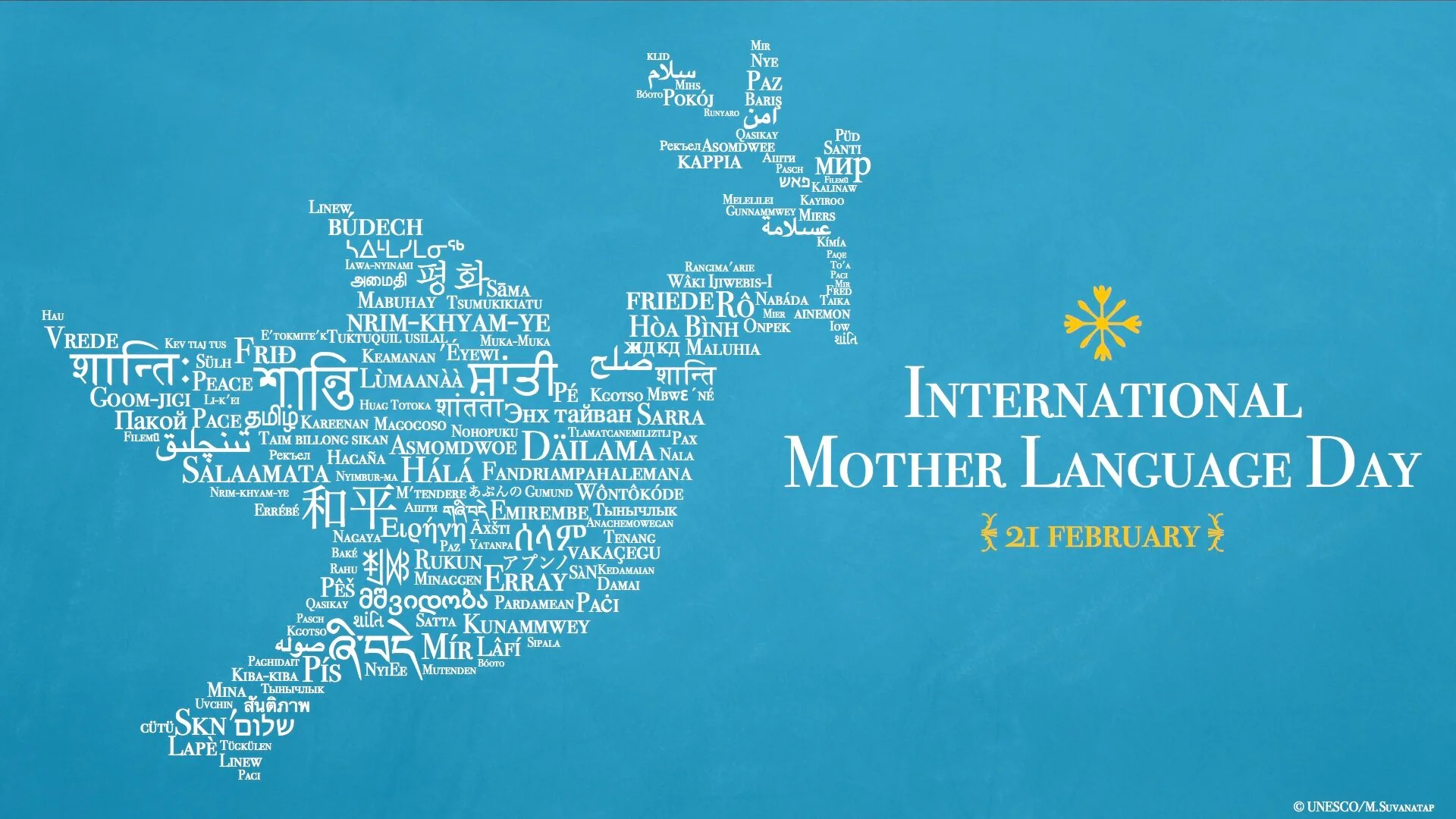
Each year on February 21, the world pauses to celebrate International Mother Language Day, a global observance dedicated to linguistic diversity, multilingual education, and the preservation of endangered languages. The day was proclaimed by UNESCO in 1999 and has been marked worldwide since 2000, honoring the 1952 Language Movement in Bangladesh, when students advocating for the recognition of Bengali as a national language were killed during protests. Today, the commemoration has evolved into a broader reflection on identity, culture, and the power of language to shape communities.
A Day Rooted in History
International Mother Language Day is grounded in a moment of profound sacrifice. On Feb. 21, 1952, students in what was then East Pakistan protested the imposition of Urdu as the sole state language. Their demand to recognize Bengali sparked demonstrations that turned deadly, leaving a lasting imprint on global conversations about linguistic rights.
UNESCO formally recognized the day in 1999, framing it as a way to promote multilingualism and cultural diversity. Since 2000, the observance has grown into a worldwide initiative involving governments, schools, and cultural institutions.
The Urgency of Language Preservation
UNESCO has repeatedly warned that linguistic diversity is under threat. Thousands of languages are spoken globally, yet many are at risk of disappearing as globalization, migration, and digital communication reshape how communities interact. When a language fades, the cultural knowledge embedded within it, from oral histories to traditional practices, often disappears as well.
The 2026 observance marks the 26th anniversary of International Mother Language Day, emphasizing renewed efforts to preserve endangered languages and strengthen multilingual education. The milestone highlights how urgent the issue has become.
The Middle East’s Linguistic Mosaic
For readers in the Middle East, the conversation carries particular resonance. The region is home to a remarkable range of languages and dialects, from Arabic in its many regional forms to Amazigh languages, Kurdish, Armenian, and others. Each carries histories, traditions, and cultural memory that extend across generations.
In recent years, initiatives across the region have sought to preserve minority languages through education, documentation, and cultural programming. These efforts reflect a growing recognition that linguistic diversity is not a relic of the past, but a living part of contemporary identity.
Multilingualism as Cultural Strength
International Mother Language Day also celebrates multilingualism as a bridge between cultures. Research consistently shows that learning in one’s mother tongue strengthens literacy, improves educational outcomes, and supports social inclusion. At the same time, multilingual societies often benefit from richer cultural exchange and stronger connections across communities.
In an increasingly interconnected world, multilingualism is no longer simply a skill; it is a cultural asset.
The continued observance of International Mother Language Day underscores a simple yet powerful idea: languages are more than tools of communication. They are vessels of memory, identity, and belonging.
As the 26th anniversary approaches, the message feels particularly timely. Preserving mother tongues is not only about safeguarding the past, but it is also about protecting the diversity that will shape the future.