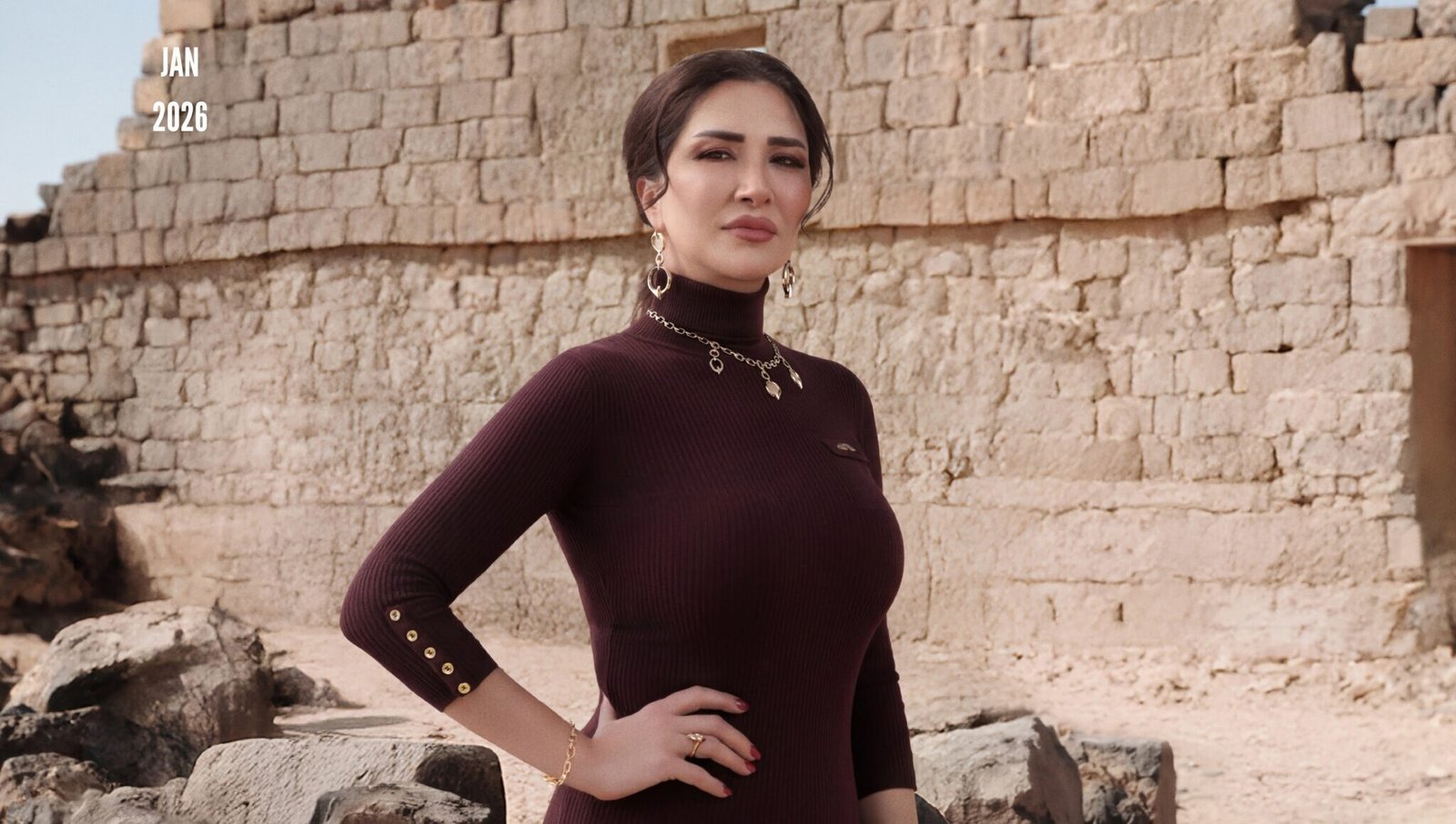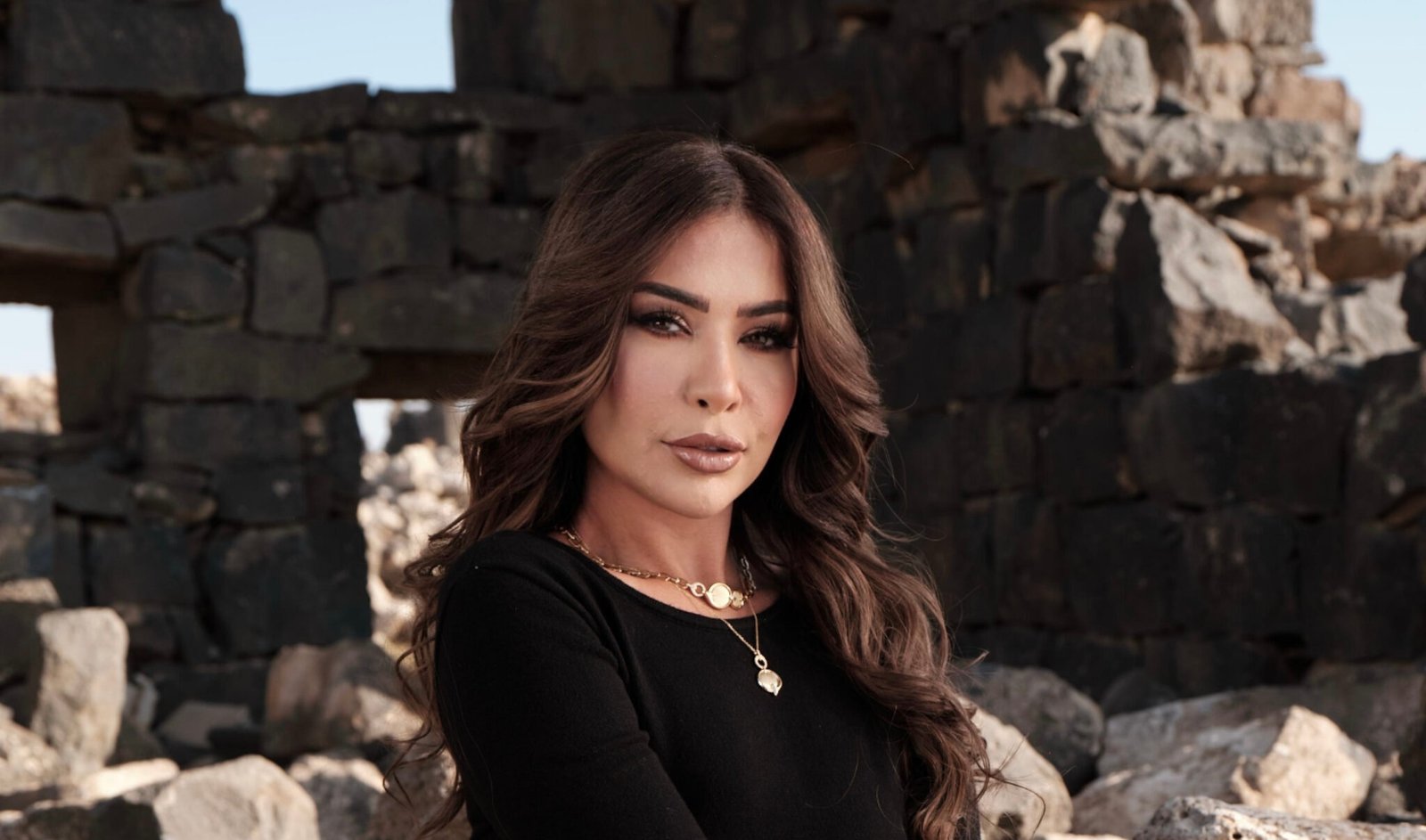

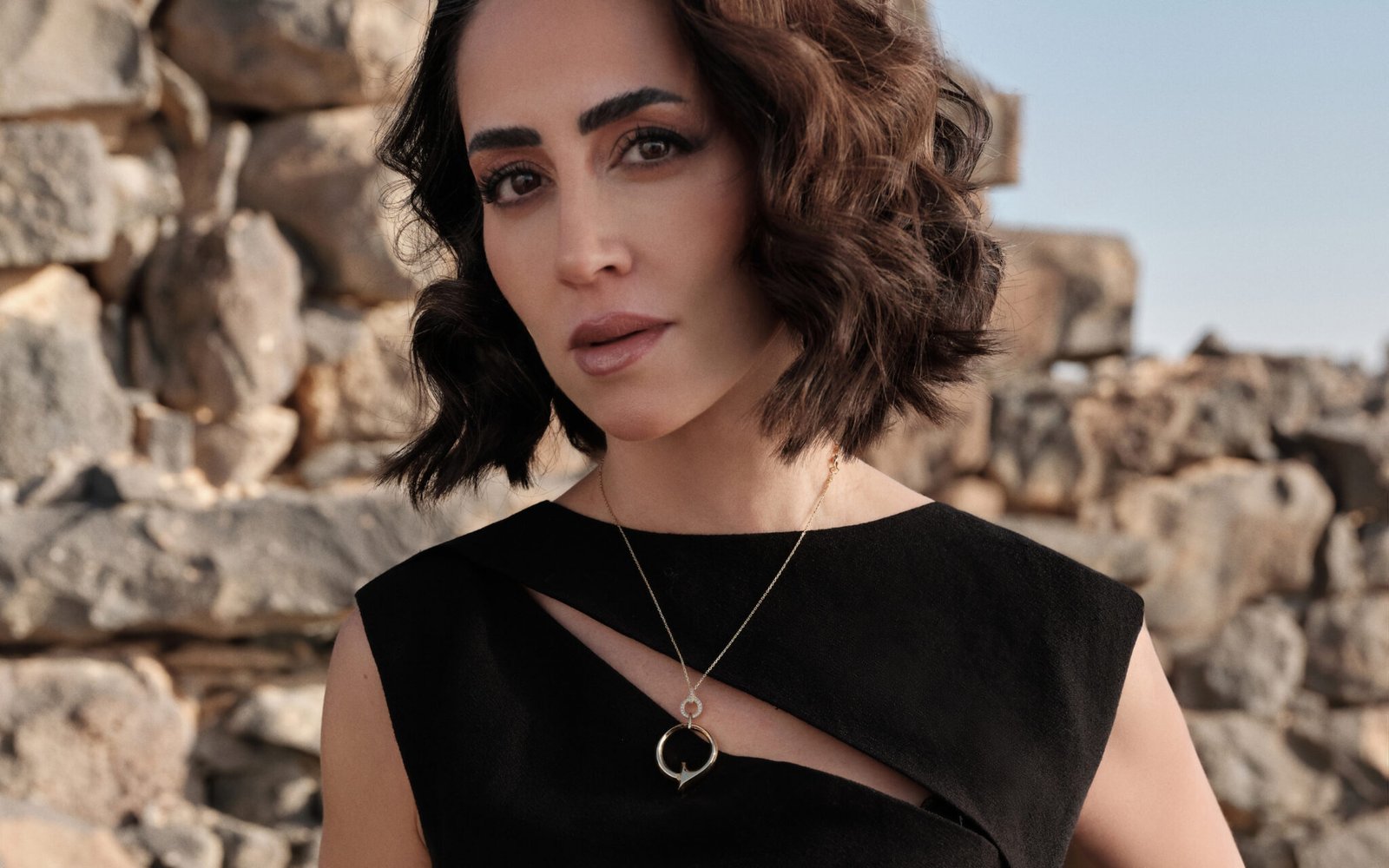
Mary Nazzal is a Jordanian-British barrister, social entrepreneur, and impact investor whose life’s work bridges the personal and political, as well as the inner and outer dimensions of liberation. Named one of Forbes’ Most Powerful Arab Women, Nazzal-Batayneh has built a portfolio of ventures that challenge conventional models of success. As the founder of Landmark Amman, Jordan’s first five-star hotel led by a woman, she pioneered sustainable hospitality rooted in community empowerment.
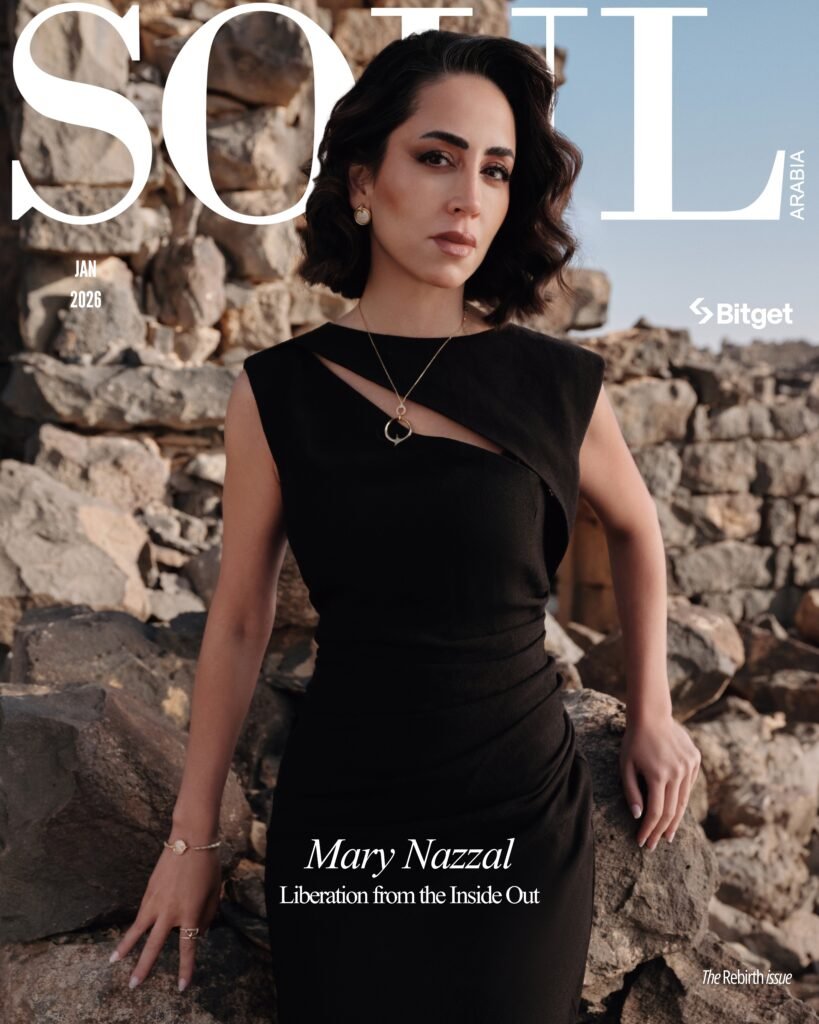
Through her impact investment firm, 17 Ventures, Mary works to decolonize the impact economy. With MVMNT, she brings trauma-informed wellness practices to refugee communities. Through Nafsuna, she makes conscious living accessible and joyful across the region.
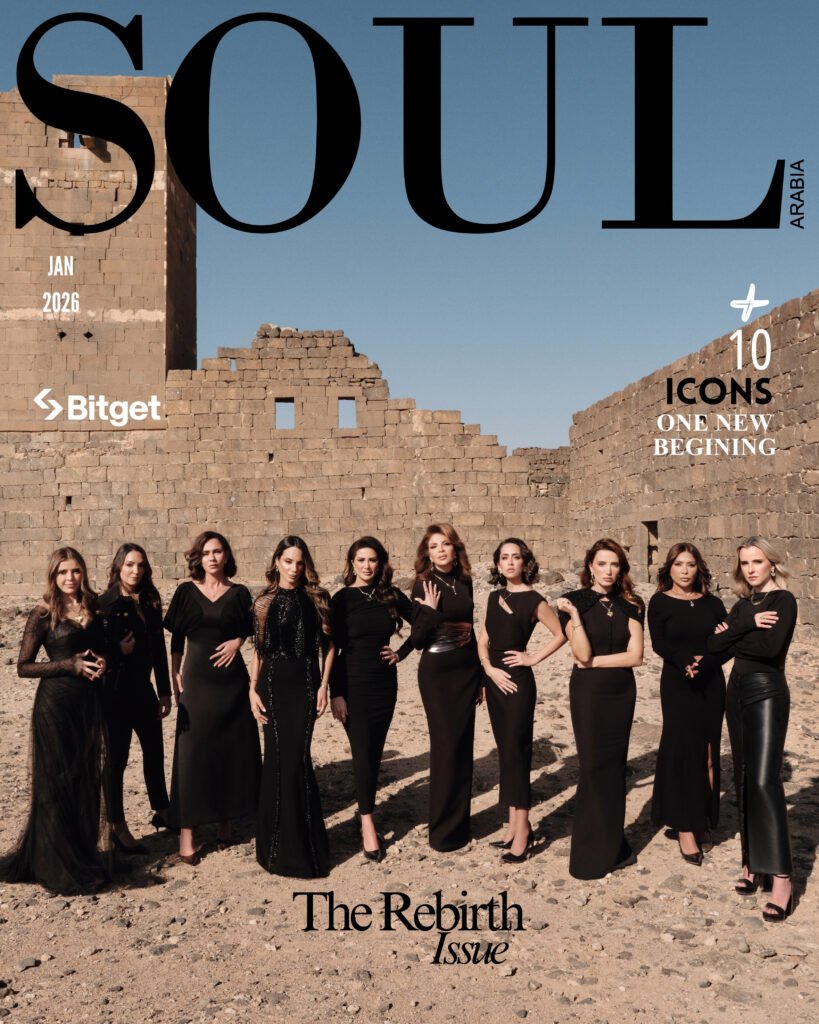
Her presence in this ensemble of powerful women, selected by Soul Arabia, reflects a renaissance already underway; one in which leadership means staying awake, staying human, and refusing to replicate the very systems that caused harm in the first place.
Unity as Presence
For Nazzal, unity isn’t abstract. It’s something you feel when people come together with shared purpose, especially during difficult times. In her work spanning investing, activism, and wellness, she creates unity through presence, honesty, and care. “Whether engaging with investors, activists, hotel staff, or refugee communities, I cultivate spaces where people feel genuinely seen and where their struggles aren’t dismissed. That’s where real collective strength emerges,” confirms Mary.
This philosophy extends to how she conceptualizes leadership itself. She explains, “Conscious leadership, means staying awake and staying human, not hardening yourself because the region is going through disruption. It requires listening deeply, holding people accountable with compassion, and refusing to reproduce the oppressive dynamics you claim to resist. Crucially, it also demands inner work, because without confronting your own patterns, you inevitably recreate them in your leadership”.
Heritage as Living Practice
Standing at Umm el-Jimal connects Soul Arabia campaign’s participants to heritage while pointing toward the future. For Nazzal, this tension between honoring identity and building forward-looking systems isn’t theoretical; it’s the central question of her work. Her heritage isn’t something she admires from a distance; it lives in her choices and her ventures.
Ventures Reborn
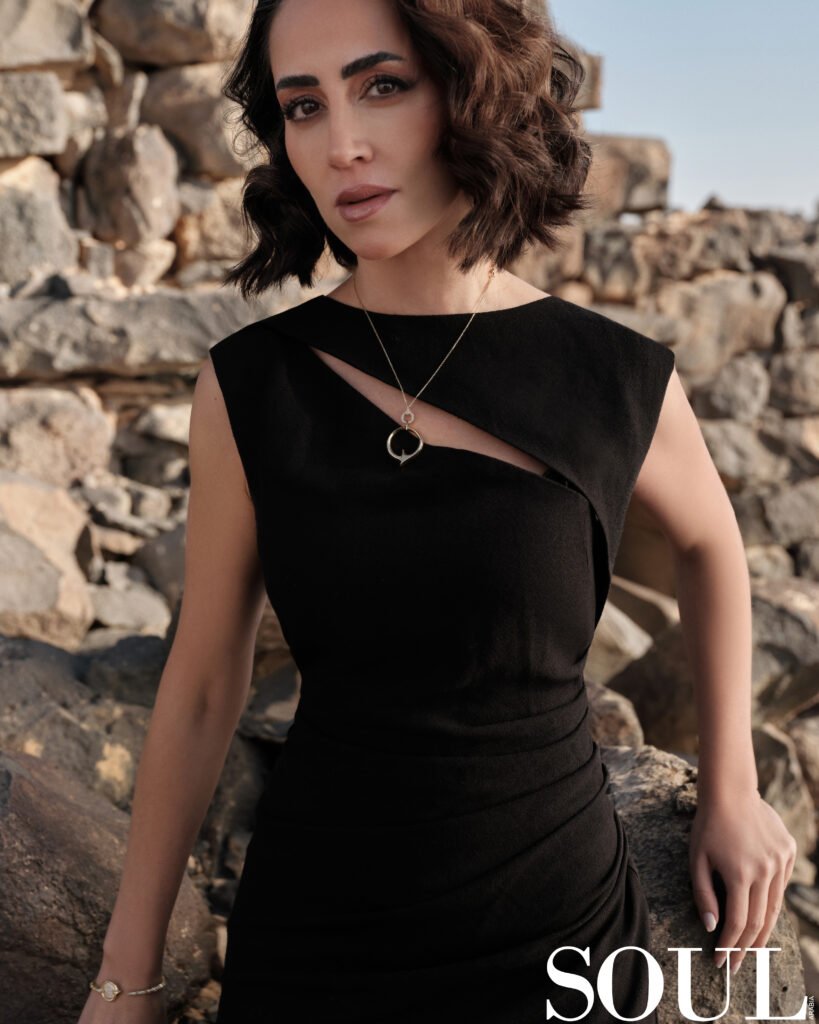
Each of Nazzal’s initiatives has undergone its own evolution, embodying the rebirth at the heart of this campaign. Landmark Amman shifted from a traditional hotel model to a space grounded in community, sustainability, and local culture. 17 Ventures moved beyond generic impact investing toward something deeper, building a decolonized impact economy through an initiative she co-founded called Impact Jordan. Nafsuna emerged from her own healing journey, transforming conscious living into something fun and connection-oriented rather than austere or inaccessible.
“At Landmark, hospitality became about belonging, and belonging is political. The hotel integrates local artisans, sustainable food systems, youth training, cultural programming, and inclusive hiring practices. It’s no longer just accommodation; it’s woven into the community’s social and economic fabric,” she insists.
The Quiet Power of Everyday Choices
Through her ventures, Nazzal introduces conscious living and ethical consumption to the region, believing that consumer behavior can spark a renaissance in environmental and social responsibility. “People underestimate the power of everyday choices,” she notes, adding “When consumers start asking who made their products, who benefits, and what values stand behind them, the market shifts, slowly, perhaps, but meaningfully. Sufficient demand for transparency and fairness compels a business response. It becomes a quiet but powerful form of activism”.
In her impact investing work, Mary distinguishes between cosmetic and structural change. She looks for projects that create local jobs, build fair value chains, strengthen sovereignty, and address root causes rather than symptoms. “The market is saturated with feel-good impact initiatives, but they don’t last. Structural impact does,”she observes.
Her legal training as a barrister shaped this systems-thinking approach. It taught her to think structurally, question power, and insist on clarity, to look beyond symptoms and focus on root causes. That mindset influences everything she builds, from how she designs business models to how she leads teams.
Wellness as Justice
MVMNT, Nazzal-Batayneh’s wellness initiative, combines trauma-informed practices with refugee support, reframing wellness as a tool for justice rather than mere self-care. She’s learned that wellness becomes political when it’s accessible and grounded. “Helping people reconnect to their bodies restores a sense of agency, particularly for communities facing displacement and systemic violence,” Mary confirms.
She’s currently studying Somatics of Liberation, a course that deepened her understanding of how oppression lives in the body and how liberation must be embodied, not only intellectual. She assures: “When you bring this lens into community work, wellness interrupts trauma cycles and gives people space to breathe again. It’s not decorative; it’s necessary”.
Storytelling Against Erasure
As an advocate for Palestine and refugees, Nazzal wields storytelling as one of the most powerful tools available. It humanizes, challenges, and interrupts erasure. Through platforms she created like Raw Politik and Watermelon Books, alongside community work, she shares stories reflecting reality, not sanitized versions or narratives shaped by external agendas.
This commitment to authenticity extends to how she evaluates ethical branding, which she believes is often misused on social media. She looks for consistency: “do your values hold when they’re inconvenient, when they cost you something?”, She points to SEP, a brand working with Palestinian refugee women that has maintained its commitments from day one: fair wages, dignity, craftsmanship, and real community impact. “That’s the purpose. If ethics only surface in marketing campaigns, it’s performance, not commitment”.
Creative Industries as Resistance
Nazzal views the region’s creative industries as powerful carriers of memory and identity, shaping how people see themselves and how the world sees them. Through her board position at the 2048 Foundation, she’s supported emerging Palestinian creatives whose work protects cultural memory while pushing artistic boundaries. She insists: “Creativity is not decorative; it’s resistance, economic resilience, and nation-building.
Arab Women Taking Space
In this tableau of influential females captured at Umm el-Jimal, Nazzal sees Arab women already reshaping power by grounding it in integrity, collaboration, and clarity. “They’re building companies, shaping culture, raising families, and pushing political discourse, without mimicking outdated leadership models. Over the next decade, I envision Arab women taking up even more space and doing it unapologetically”.
Clarity Awakened
When asked what feels most reborn within her at this moment of reinvention, Nazzal’s answer is simple but profound: “clarity. A clearer sense of what I value, what drains me, what strengthens me, and what kind of world I want to help build, slowly, intentionally, from the inside out”.
Mary’s never seen business leadership and grassroots activism as separate worlds. The same values guide her whether building a venture, supporting a community initiative, or engaging in political work. As long as she stays connected to the purpose behind her actions and to the people she’s meant to serve, the alignment takes care of itself. She uses whatever tools she has to push in the same direction, eliminating any sense of switching identities.
Standing among other leaders, Mary Nazzal embodies the unity this campaign celebrates, not as a slogan, but as a lived practice. Her work demonstrates that renaissance means refusing to replicate harm while honoring heritage, that rebirth comes from asking better questions about systems and sovereignty, and that true unity emerges when people feel seen.
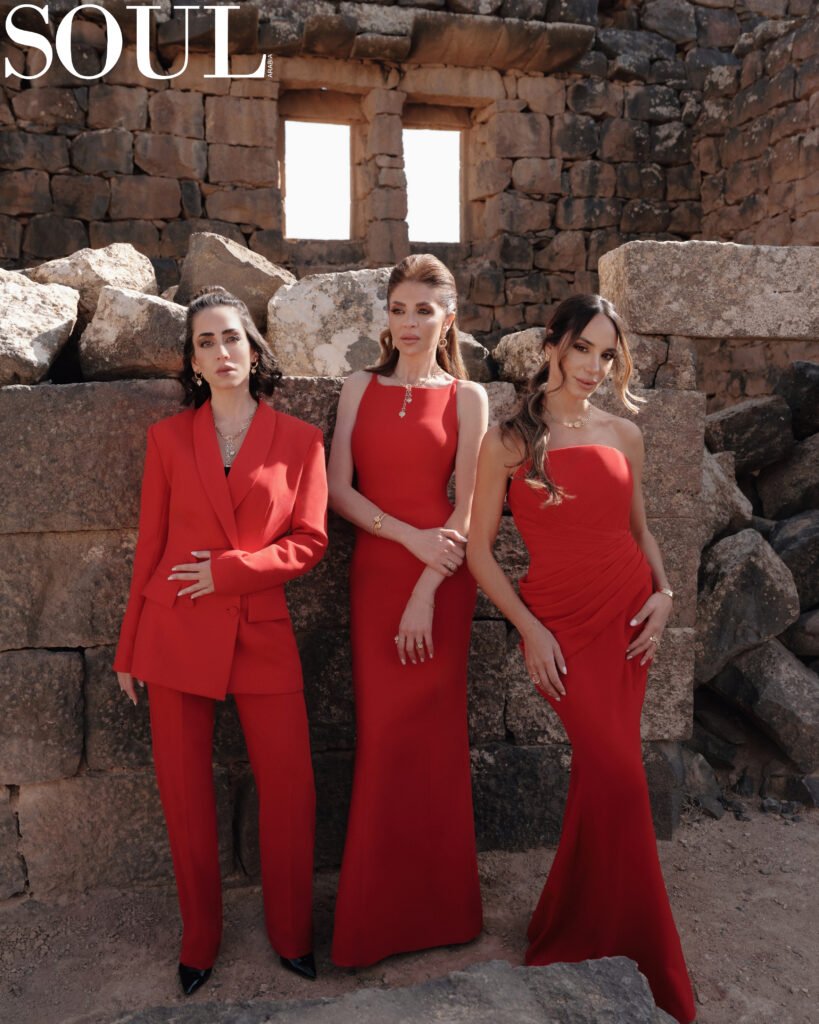
Editor-in-Chief & Visual Director: Sultan Abu Tair, Produced by ThreeSixty Mena and photographed by Cihan Alpgiray, Styling by Jony Matta, Mary’s Black dress & Red suit from Marella, words by Amira Shawky & Mohamed Alaadin, and special thanks to Grand Hyatt Amman