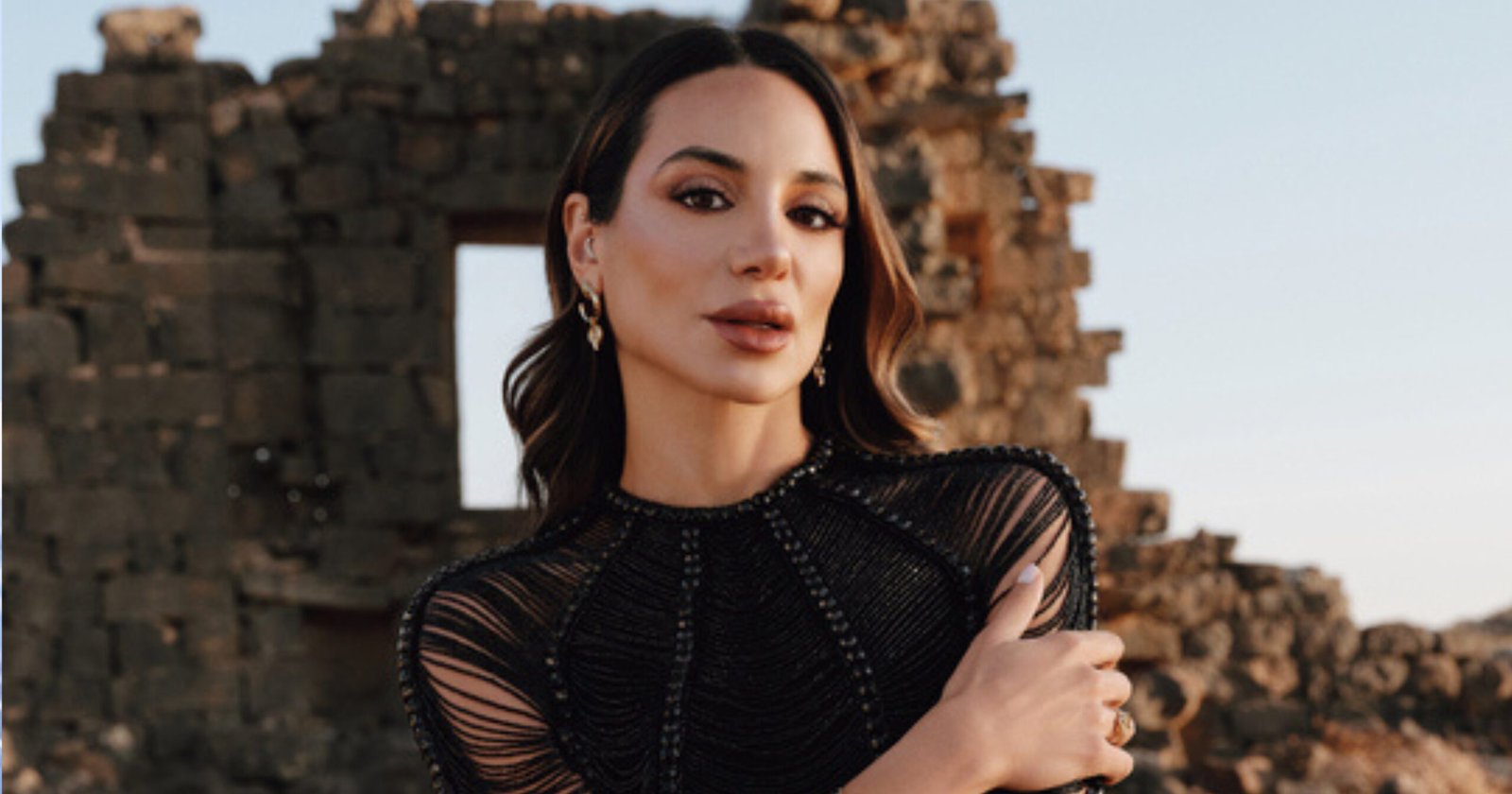

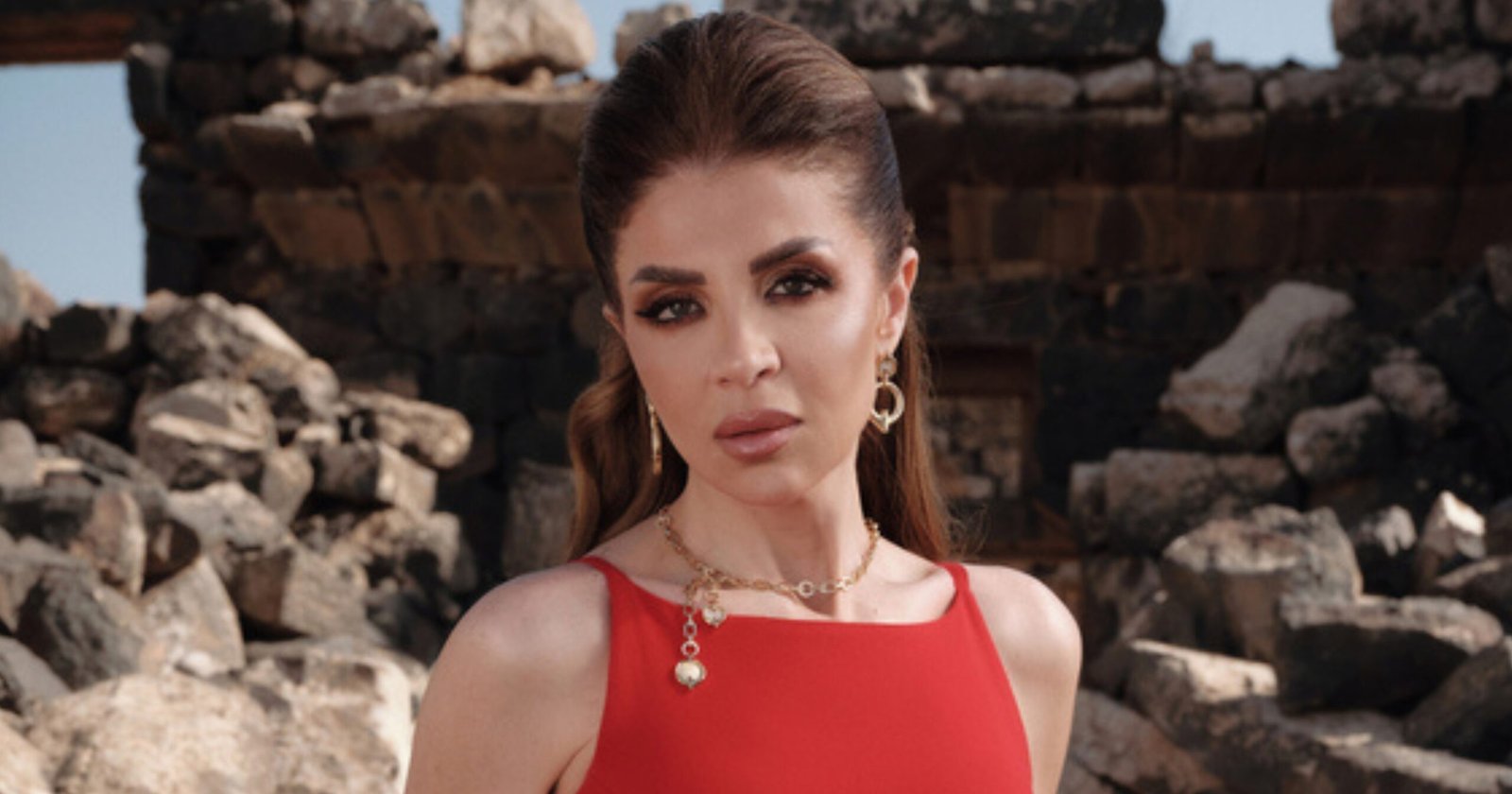
In 1997, at just 21 years old, Lana Qusous stepped onto the set of Jordanian Television for the first time. Nearly three decades later, she represents a rare continuity in Arab media, a bridge between traditional television’s golden age and today’s fragmented digital landscape. With nearly a million Instagram followers and a career spanning both broadcasting and corporate leadership as Regional Sales Manager at Servier, Lana embodies what happens when you refuse to remain frozen in place, constantly developing yourself while staying true to your core.
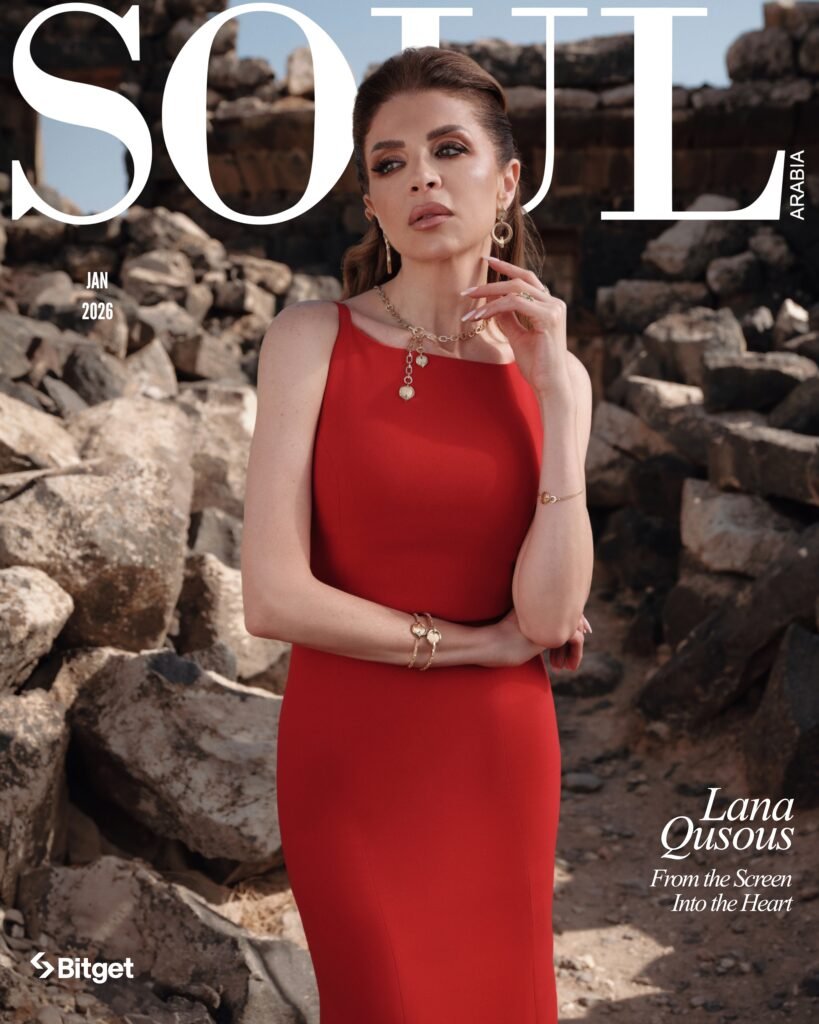
But her journey hasn’t been about accumulating fame. It’s been about discovering authenticity in an industry that often prioritizes noise over substance, and learning that the strongest women are forged through hardship, not handed crowns at birth.
A Fragmented Landscape
When asked what unity looks like in modern media, Lana’s answer is candid. “Unity in the media landscape today looks like this: institutions and individuals, the journalists and presenters, all feel like they are working alone in the middle of a huge crowd of platforms. There’s no specific link, no shared narrative.”
This fragmentation has created gaps instead of connections. “We have a lot of content, a lot of platforms, and many different agendas, but very few who actually shape or unify a message that reaches the audience deeply and builds bridges of trust.” She describes it as a kind of intellectual solitude, a complete loss of direction, where the media often just wants to create noise and gain engagement without real content.
It’s a stark assessment from someone who has witnessed the entire evolution of Arab media from its inside.
Rebirth Through Discovery
The transition from traditional TV to digital platforms wasn’t just a career shift for Lana; it was a personal renaissance. “The one who truly felt ‘reborn’ was me. I got to know myself. I discovered a woman who is more grounded, clearer, and stronger.”
She realized the importance of seeking change while building bridges of trust through accurate, truthful information. “I discovered that I am influential. I found that I have a very large audience base. I became much closer to people, as if I were standing on a stage. I receive people’s reactions quickly and directly.”
Digital media gave her something television never could: the freedom to appear whenever she wishes and say what she wants without restrictions. But it also taught her an essential truth. “In the end, whether you are a media figure or any kind of public figure, you have to work in a way that makes you feel at peace, because pleasing people is impossible. Today, people are with you; tomorrow, they’re against you.”
She found her neutral ground by avoiding topics that don’t concern her, religion and politics, and focusing on what she does best. The intimacy of digital platforms surprised her. “Now, if I appear upset or down on social media, people immediately send me messages: ‘Lana, what’s wrong? Why aren’t you happy today?’ They have memorized me, and I have memorized them. There is closeness, loyalty, warmth, and a kind of love that is very non-traditional in this non-traditional media space, and I love it.”
Women Leading the Renaissance
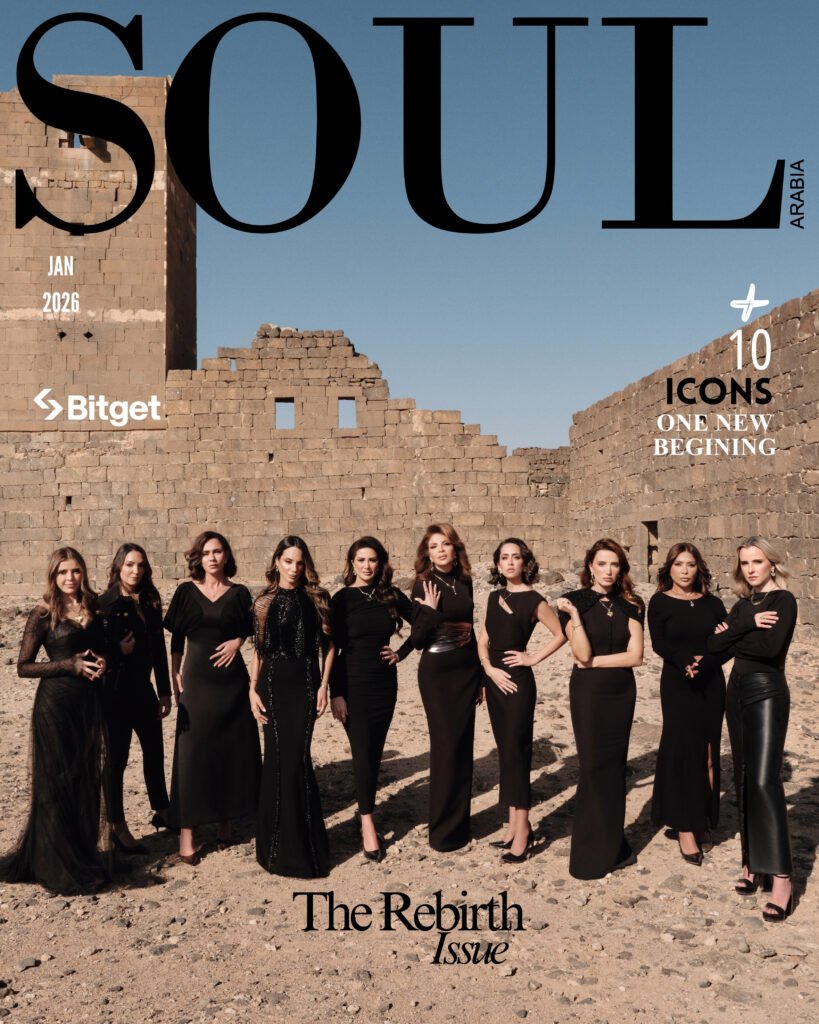
Lana sees Arab media living a true renaissance, with women at the forefront. “Women have become an essential and complementary element. The presence of women today in leadership positions, in newsrooms, in managing platforms, and in content creation has a very important impact.”
Yet she has a clear vision of what’s left to accomplish. “We need a full system that respects women’s competence and opens leadership roles for them. Women must have spaces where they can make decisions.” The challenge today, she insists, is not just presence but having a heard voice. “We need exceptional voices that call for real action, so that women’s presence is not just decorative, not just an image to beautify the media scene, but a core part of decision-making and content creation.”
Constant Evolution
Remaining relevant across nearly three decades requires something many public figures resist: constant change. “Self-development and personal growth are crucial for any female media professional if she wants to stay in touch with what is happening,” Lana explains. “It’s wrong for a media figure to stand still and be convinced that nothing can touch her just because she is ‘famous.’ Fame decreases over time if we don’t keep up with change.”
She doesn’t lean only on fame or her social base. “What must remain with me is my culture and knowledge. That is the secret of my reach to the viewer.” She studies each platform’s audience, understanding what they want in terms of appearance, voice, image, and message. “I must remain steady despite trends, crowds, and chaos. That stability is important. My reach might be slower than others, but it’s more stable.”
From Heart to Heart
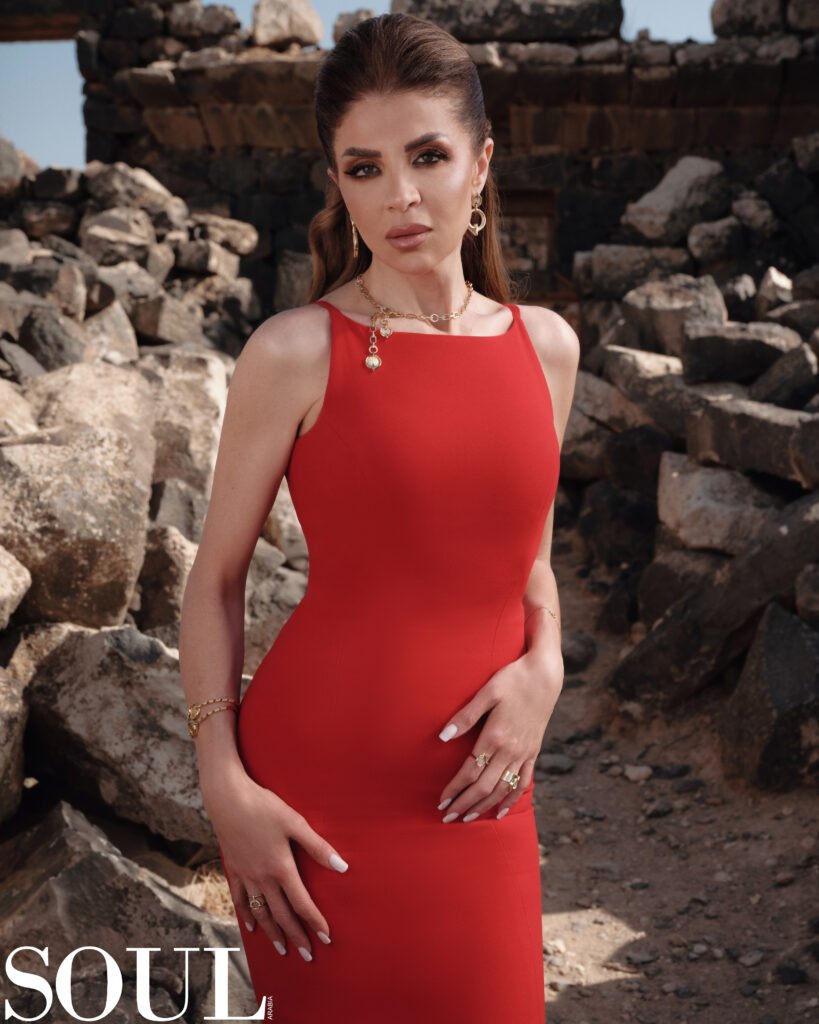
Her signature blend of everyday life with meaningful reflections isn’t strategic; it’s instinctive. “I don’t read and then pick ‘inspiring words’ on purpose. My words just come out of my heart. From the heart to the heart, I don’t know exactly how, but there is a bridge full of emotions between me and the listener or viewer.”
Lana chooses her messages from daily life, from what she goes through, the problems she faces, and the feelings she has. “I talk about them, and I often find that many people are going through the same thing at the same time. So, my reflections and inspirations are shared between me and the listeners and viewers; it’s a mutual exchange.”
The responsibility of reaching millions is rooted in something deeper than professional duty. “There is a big responsibility that comes with remaining positive and authentic. First, because millions of people trust me, and I need to protect that trust. If it collapses, I collapse with it.” This responsibility comes from an inner feeling of reverence, of knowing that God is watching how she treats people. “I will never lie to people. If you lose the trust of one, you lose the trust of a million.”
Forged Through Fire
When asked about moments that tested her profoundly yet contributed to her renaissance, Lana’s response reveals the source of her strength. “Fortunately, and I really mean fortunately, not unfortunately, I’ve had more than one very tough turning point. Some were difficult, others were extremely so.”
Lana Qusous always tells people, “A strong woman does not appear out of nowhere. She is the woman who has gone through every kind of hardship and remained strong, supporting herself by herself.”
In the past three years, she rediscovered herself. “There were sides of my life I never really knew. Today, I care only about myself, my home, and my close circle first and foremost. I care about my happiness, my home, my brother, and my sister, that’s it.”
The shift in perspective transformed her relationship with criticism. “In the past, any negative comment would hurt me and bother me. Today, it gives me strength. It helps me remain steadier and continue on my path more firmly, because pleasing people is impossible. I do not want to live to please people. I want to live in a way that brings me satisfaction.”
The Urgent Conversations
When it comes to societal issues, Lana is unequivocal about priorities: “I see the most important issue today as education, education, and reading. Education is a weapon. Educating children is a weapon. Educating women is a weapon she holds against the cruelty of time and people.”
She’s concerned about what’s being lost. “In the chaos of social media, phones, and iPads, we’ve lost that simple act of holding a book.” Even in her own work, she remains decidedly old school, unable to function without paper and pen.
Her second urgent concern is protecting children from overexposure on social media. “I strongly call for a law to protect children from social media. Any parents who use their children as content should wait until that child is older and mature enough to choose whether or not they want to appear online.”
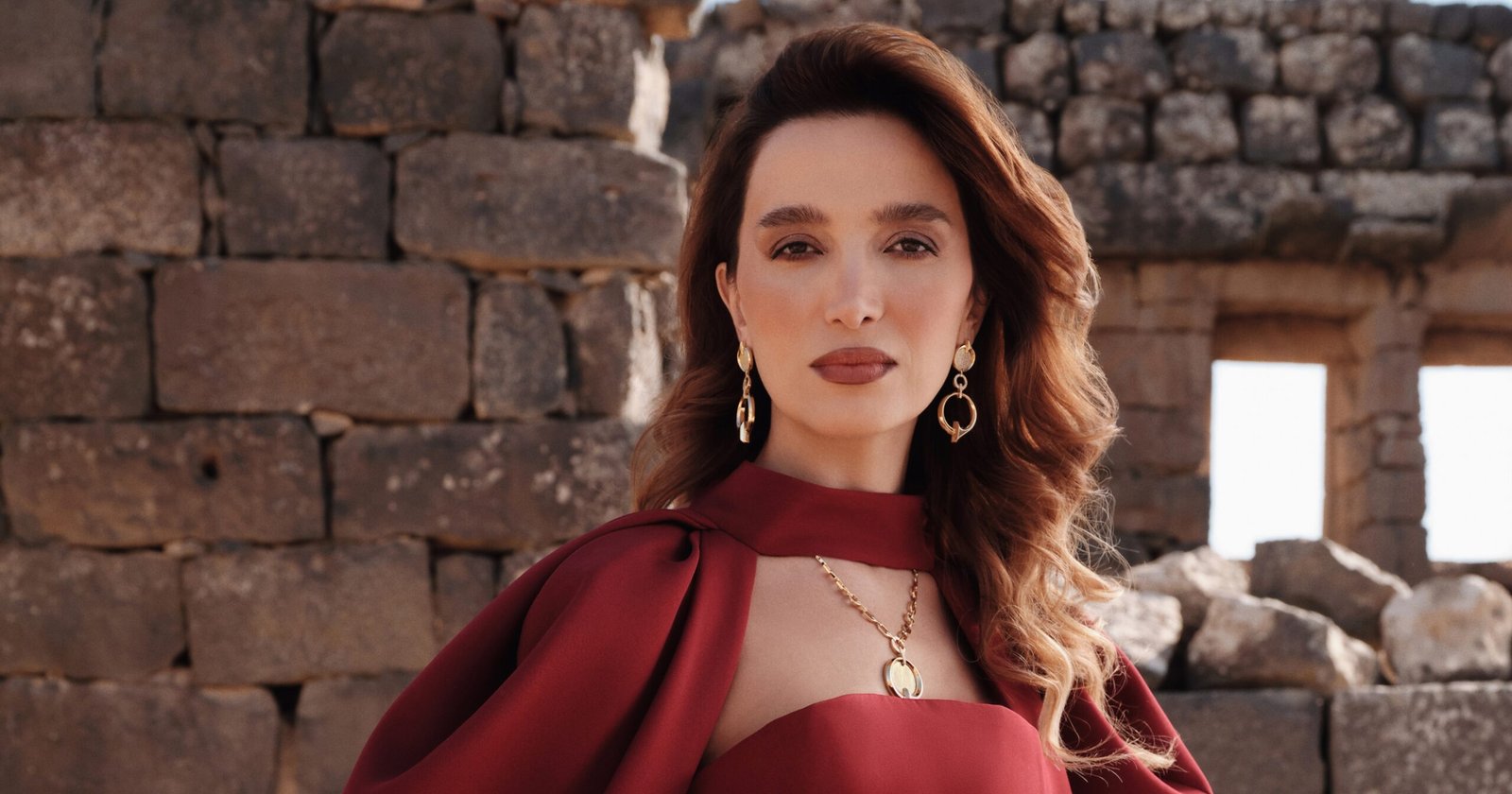
Standing among a circle of influential women at Umm el-Jimal, Lana Qusous embodies unity built through authenticity and steady presence. Her work demonstrates that renaissance means constant evolution without losing yourself, that rebirth comes from going through hardship and remaining standing, and that true influence flows from heart to heart. The 21-year-old who stepped onto that first television set became the woman who understands that the strongest message isn’t polished, it’s sincere. And in a fragmented media landscape desperate for genuine connection, that sincerity has become her greatest strength.
Editor-in-Chief & Visual Director: Sultan Abu Tair, Produced by ThreeSixty Mena and photographed by Cihan Alpgiray, Styling by Jony Matta, Lana’s Black dress & Red dress from Joanna Andraos, words by Amira Shawky & Mohamed Alaadin, and special thanks to Grand Hyatt Amman