
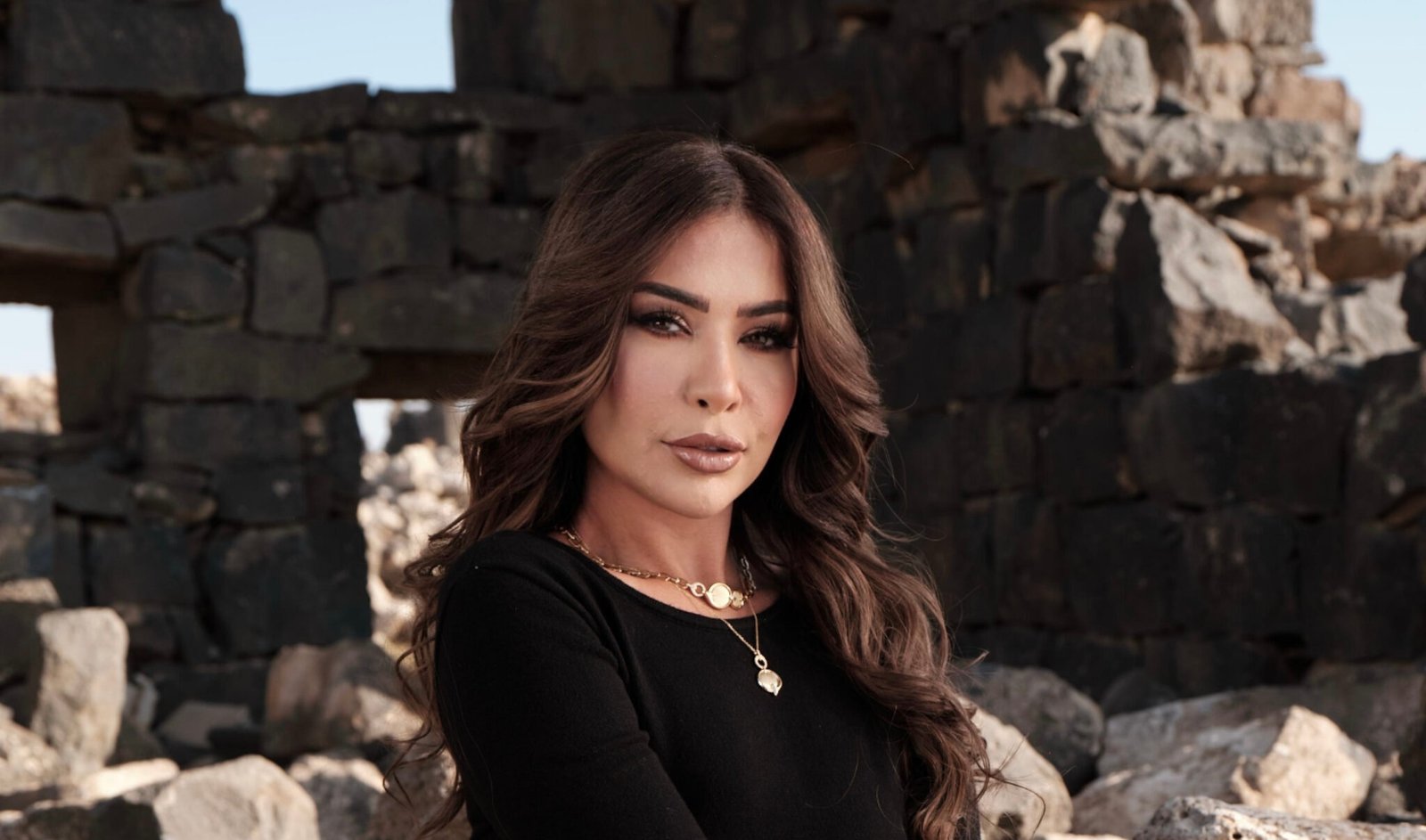
Struggle has the power to reshape us; it teaches us insights that nothing else can. Lama Maaitah didn’t go through cancer twice by coincidence. At a very young age, she learned profound lessons about the purpose of life, her own value, and what truly matters—lessons that would eventually transform her from someone fighting for her own survival into a mindfulness coach fighting for others’ awakening. The Jordanian digital creator with over 592,000 Instagram followers embodies her signature mantra: turning pain into purpose.
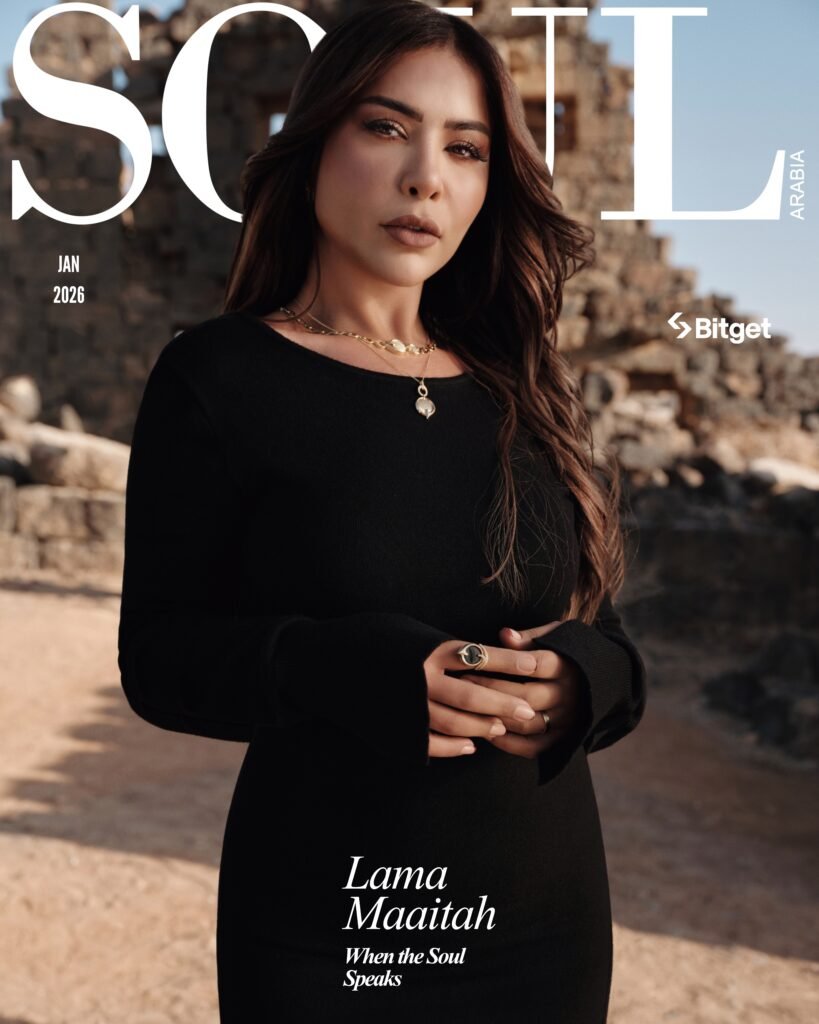
But her renaissance didn’t come from conquering illness. It came from 21 days without screens, followed by three days of silent meditation, a complete disconnection that became, in her own words, “literally a rebirth.”
The Rebirth That Changed Everything
“I went 21 days with no TV, no screens, no social media, nothing,” Lama recounts. “After this period, I took a three-day silent meditation retreat. It was intense, honestly, it wasn’t easy at all. But it was incredibly calming.”
She realized how drained people are by screens, electricity, and the energy around them. ” In the same moment, people can see something positive, something negative, something that makes them feel like, ‘Oh my God, I’ve accomplished nothing in my life,’ and then something else that throws them into a depressive mood.”
The experience shocked her in unexpected ways. Even her taste in food has changed. “It was the first time I’d eaten without distraction, because usually we eat while watching TV or scrolling on our phones. Now I was just eating, being here and now, listening to the conversation I was in, being present, existing in the moment, enjoying the small things.”
Simple observations struck her profoundly: “Oh my God, when was the last time I leaned my head back and just looked at the sky? There are so many beautiful things in life that we’re missing because of screens.”
After the silent meditation, Lama felt fundamentally transformed. “It was the first time that, after I returned, I posted on social media using the hashtag #rebirth, because I felt like a totally new person. My thoughts had changed, my body had changed—it was asking for different kinds of food, more water. I was listening to it, hearing its voice, noticing my thoughts and emotions. I released a lot of feelings.”
From Personal Healing to Collective Awakening
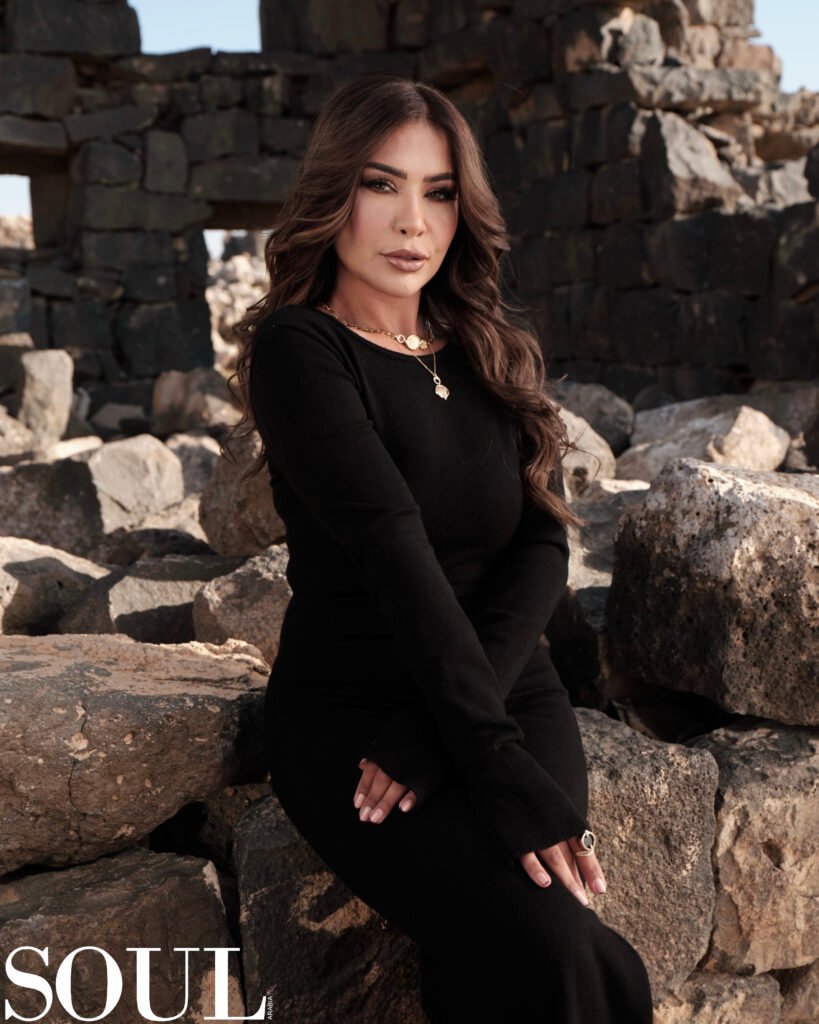
This personal transformation shaped Lama’s understanding of how change ripples outward. “Right now, I have an initiative that started for supporting cancer patients and survivors, and my target has been youth, whether kids or teenagers, to let them believe in themselves, and to see that whatever they’re going through in life is not a limitation. It’s only something that can empower them and unlock the strength within them.”
Through her coaching work, she discovered something crucial: “So many people think, ‘I need to be under a certain label to have an impact or at least feel fulfilled.’ But I discovered how important it is to create awareness, awareness of how a person’s relationship with themselves, if it’s healthy, reflects on their entire life.”
The butterfly effect became clear to her. “When you work with one person, you’re also influencing the environment around them, their small family, then a wider circle, and so on. So when we start with one person, and simply move them one step ahead in their mindset or level of awareness, how they see themselves, with genuine, real self-love, that’s where rebirth connects in.”
She emphasizes that this relationship with oneself must be honest and genuine, “not built on superficial ‘covers.’ So we return to the point that being aware is the most important thing.”
Reminding People of Their Humanity
“Basically, the work I used to do behind the scenes was as a mindfulness coach, dealing with clients one-to-one,” Lama explains. But when she recognized her platform’s reach, dubbed by followers as “the queen of positive energy,” she felt her role shift.
“I thought: No, it’s time to focus on awareness. Because the material world has pulled us so far away from our souls and our humanity. Everything has become about running after things. We forgot how to slow down, how to be our true selves, how to explain ourselves, to simply be in our natural simplicity and daily details.”
She sees alarming trends. “I’m seeing how high the rates of depression are becoming, how much anxiety there is, how many people are living on medication and tranquilizers.” Her mission became clear: “To remind people of these things, and especially because I’m already on social media, to say: No. Let’s remember who we really are, our natural states, and our natural rhythms.”
Lama wants people to “enjoy real life, instead of living under these fake bubbles that don’t actually exist, bubbles that social media has created.”
Education as Gift Recognition
When it comes to education’s renaissance, Lama has a radical perspective. “I do believe that now there are so many portals for knowledge,” she acknowledges. But the real shift needed is in approach.
“I truly believe every person has certain qualities that reveal themselves in their life, and those are their gifts, those are what they can work with more easily, more naturally, and more quickly. Through those gifts, they can excel.”
She reflects on traditional education’s failures. “Unfortunately, many of us went through an educational experience where we studied a lot of material that didn’t serve us. We don’t even remember it today, even though it took years of our time.”
Education shouldn’t be defined by years of study, she argues, but by impact: “How much are you actually benefiting from the knowledge you’re learning? How much does it serve you in your field, in your life? How much are you able to build on it and develop it, so it can serve you and contribute to society?”
Imagine, she says, “if that self-exploration had started earlier. Imagine if our gifts had been targeted and highlighted from the beginning, and we managed to identify each person’s gift and focus on it. That would make a huge difference.”
Lamet Amal: A Gathering of Hope
The story of how Lama’s initiative got its name reveals her approach to leadership. She was sitting with young cancer patients she was helping when they suggested: “You bring us together and give us hope, so call it Lamet Amal (a gathering of hope).”
“So it came out genuinely, truly genuinely. That’s why I believe that when something comes from an honest and real place, you don’t need to overthink it. The soul speaks. People speak.”
She deliberately kept her own name out of the initiative’s title, even though “if you flip my name Lama, it becomes Amal (Hope).” When building teams and volunteers, she made it clear: “This is not about me. Lamet Amal must continue after me.”
The goal is simple: “To remind every person who is going through a difficult experience that there is hope.” In the future, it won’t be limited to children with cancer. “It will become a story of hope for every person. Any person who is an example of hope will have that platform,”Lama confirms.
The Movement Called Rebirth
For Lama, Rebirth isn’t just a personal transformation; it’s a movement. “It’s my mission now: to help and guide people. Because I didn’t go through cancer twice by coincidence, or without lessons.”
Her illness taught her to “touch these small, essential things,” leading to the realization: “You’re not just changing people, but communities. People begin to have more mercy and real love between them, an unconditional love.”
She sees a fundamental problem in how we relate. “Right now, we’re all feeding off each other’s emotions, charging each other with negative energy: ‘I gave you this, so you should give me that.’ ‘I loved you as much as you loved me.’ That’s because we don’t yet have a pure relationship with ourselves.”
When people develop that pure relationship, “we’ll feel content. And then anything from the outside, we’ll say, ‘Thank you,’ but it won’t add or take away from us, because we’ll know we are already full, already enough. Then we begin giving from a very pure place, a very clean, genuine place, without thinking, “What will I get in return?”
Legacy of Impact
When discussing legacy, Lama is characteristically grounded. “Honestly, I don’t care much about the word itself as long as I leave a truly good impact, in every sense of the word.”
Her advice to young women starting their leadership journey is simple but profound: “Start with loving yourself, truly loving yourself. You can have all the options, you can do whatever you want. I’m not against anything, taking care of your looks, beauty, doing whatever you like, do it. But all of that is secondary.”
Real self-love, she insists, “is when you face your flaws and love yourself exactly as you are. Then you will start to see the treasures of life. You’ll stop wasting time and effort chasing things that will never truly serve you. They’re just illusions imposed by society, ideas, or trends we see on social media.”
It breaks her heart to see teenagers affected by trends, feeling insufficient without certain looks or possessions. Her message to them: “Live your life fully. Be within the flow. Live every age as it comes. Just enjoy living.”
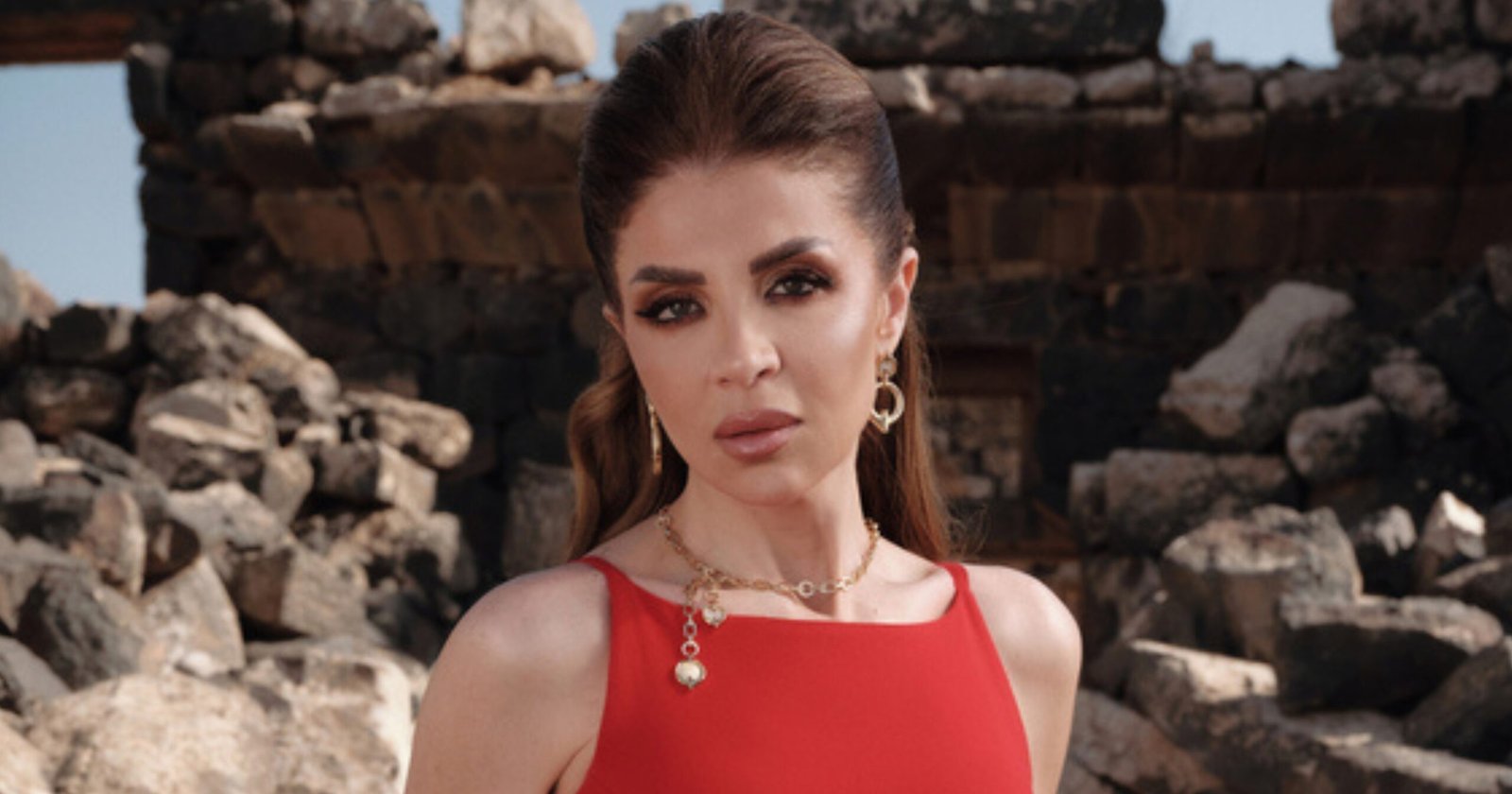
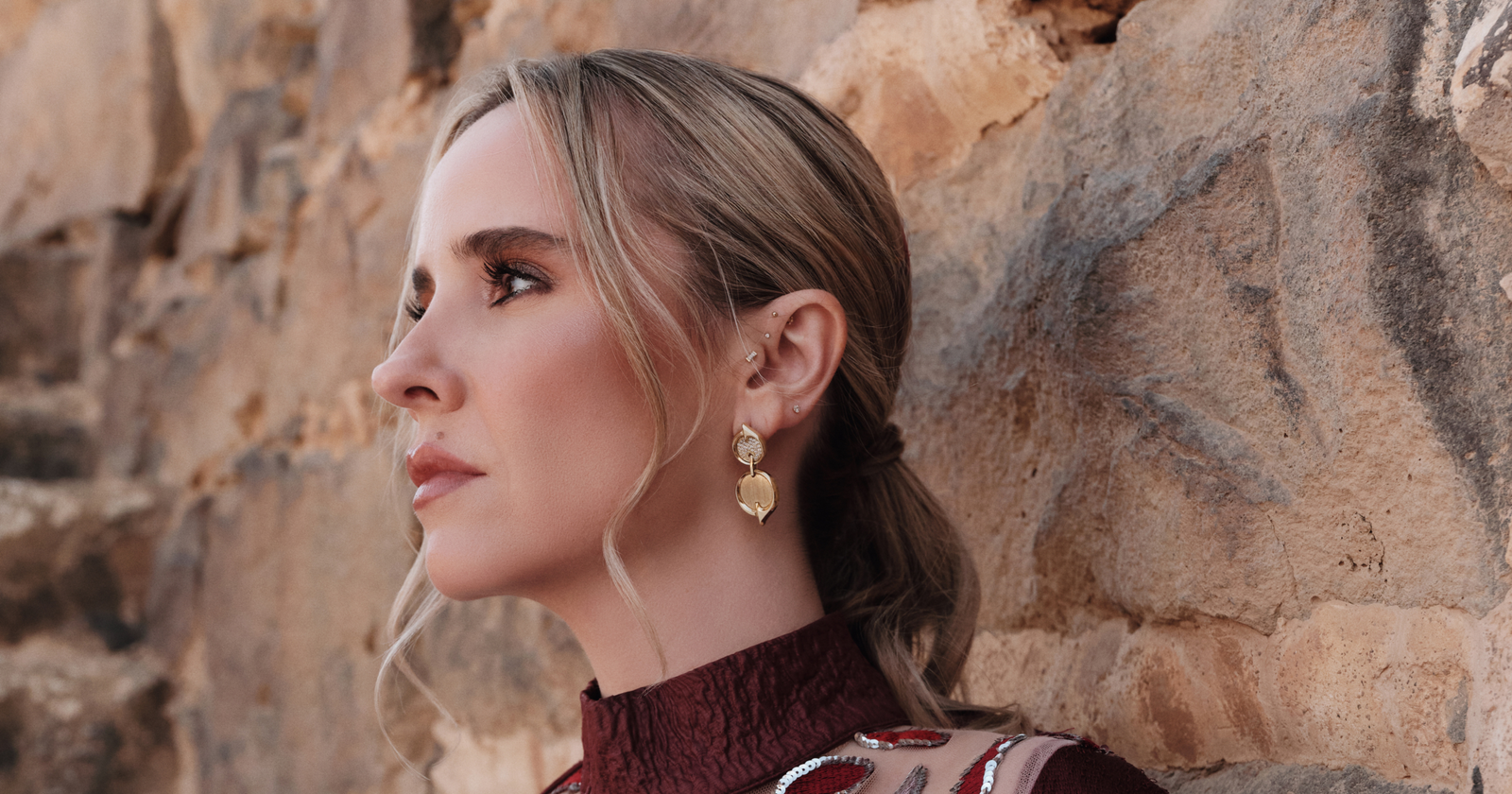
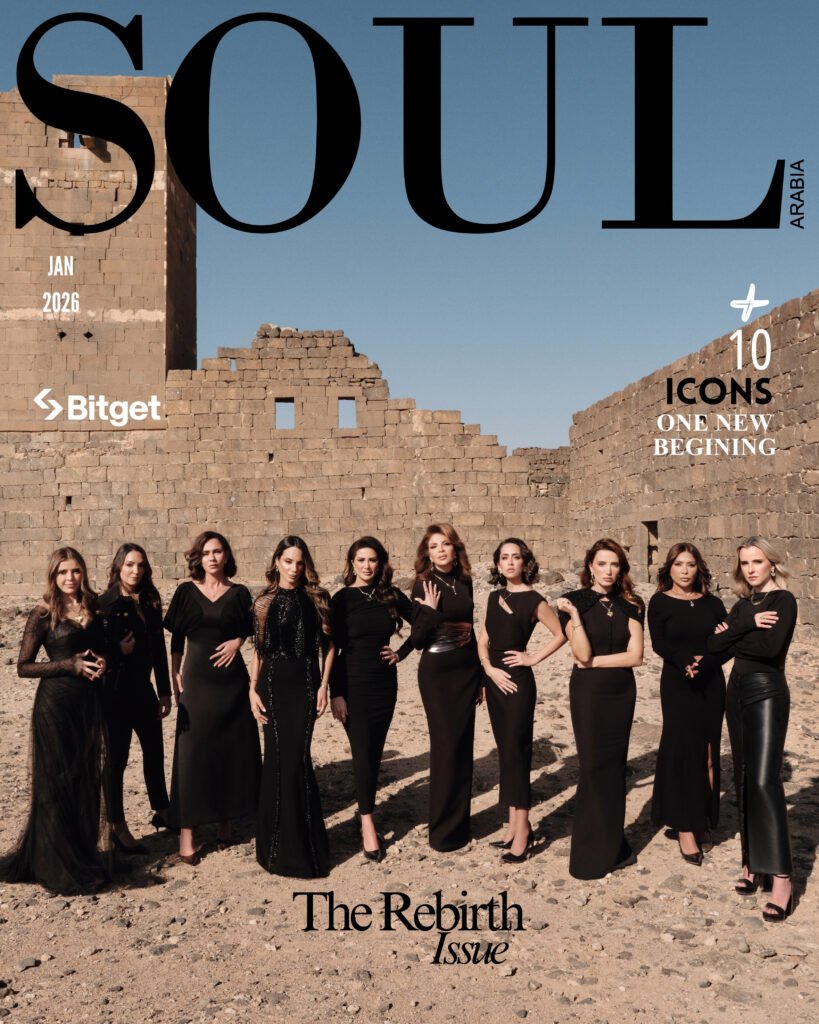
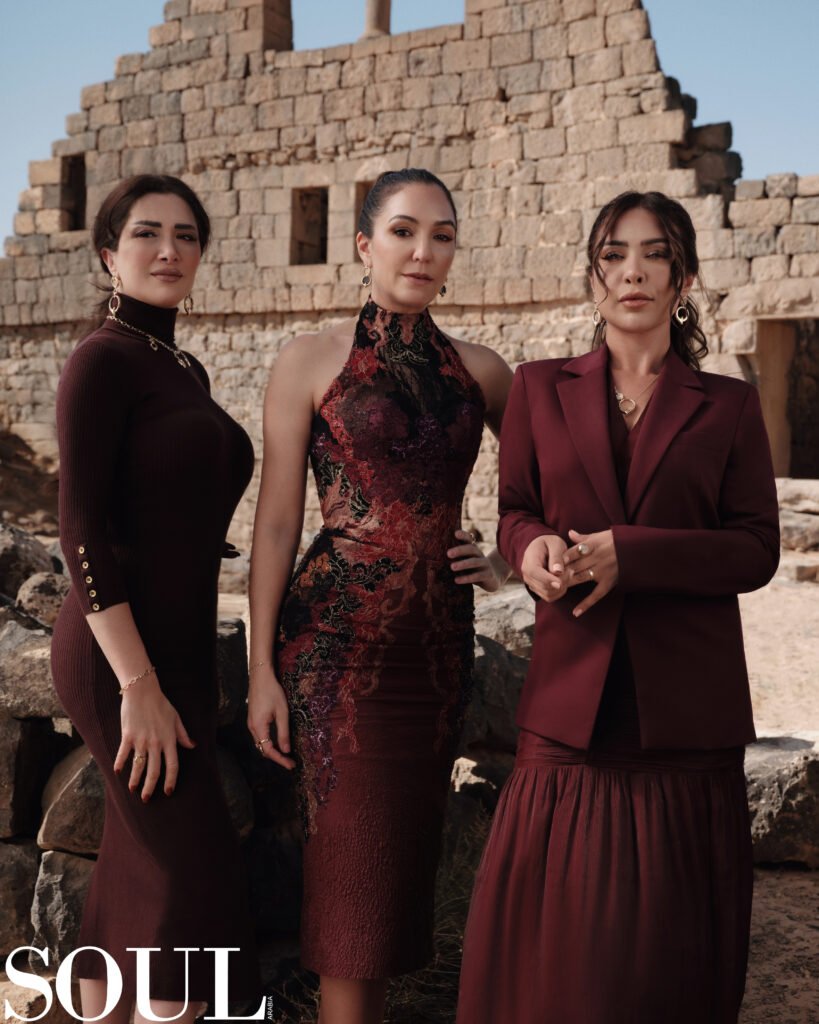
Standing with a group of the most influential women at Umm el-Jimal, Lama Maaitah embodies unity built through genuine self-relationship. Her work demonstrates that renaissance means reconnecting with our natural rhythms, that rebirth comes from silence and presence, and that true leadership flows from ego-less service. The woman who survived cancer twice became the voice reminding millions to look up at the sky, to remember that the most important treasures aren’t on screens, but in the simple act of being fully, authentically alive.
Editor-in-Chief & Visual Director: Sultan Abu Tair, Produced by ThreeSixty Mena and photographed by Cihan Alpgiray, Styling by Jony Matta, Lama’s Black dress & Red dress from Gaelle Paris, words by Amira Shawky & Mohamed Alaadin, and special thanks to Grand Hyatt Amman