
To understand Y2K fashion, you have to understand the moment that created it. The name comes from the Year 2000 computer problem, a widespread programming issue that created a cultural focal point of both anxiety and optimism about the new millennium. The world was holding its breath. Would the computers crash? Would the lights go out? Would everything built on digital infrastructure simply stop working when the clock ticked over to January 1, 2000?
It didn’t. And in the exhale that followed, something interesting happened. All that nervous energy, the fear, the anticipation, the almost delirious relief, poured straight into culture. Into music. Into film. And, inevitably, into fashion.
Y2K was not just a fashion subculture but a mindset that took over the globe. In the 1990s, there was a considerable technological boom, advancements were made in strides, and the future was right around the corner. The internet became mainstream, and everything felt charged with possibility. Fashion became the most immediate way to wear that feeling on your body.
What the Clothes Actually Said
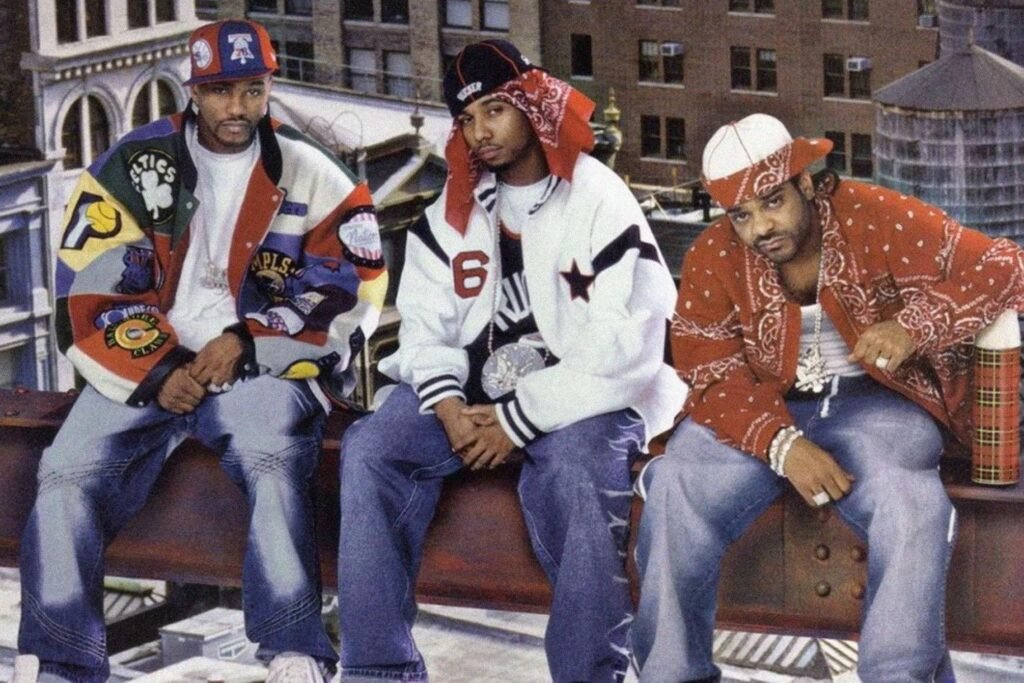
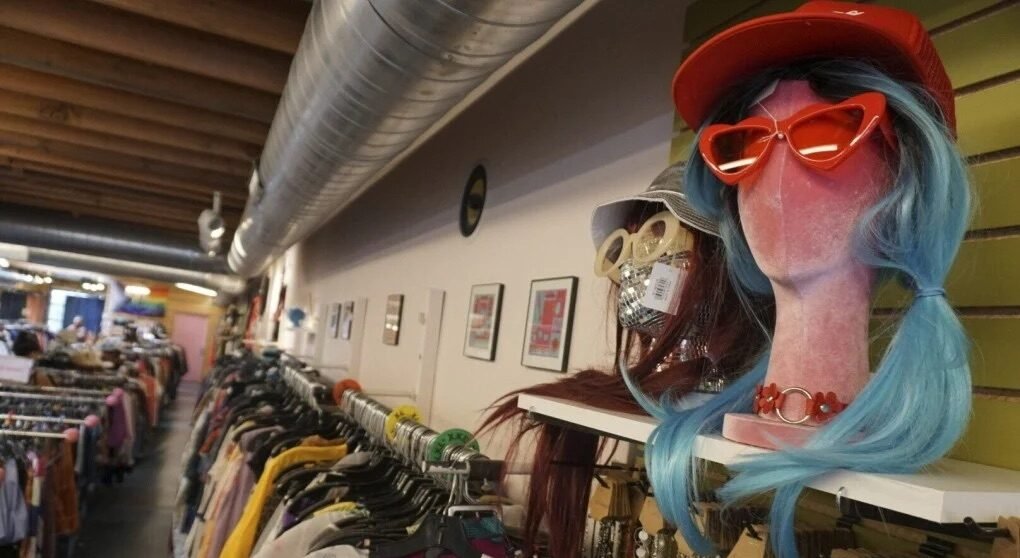
Y2K fashion refers to the distinctive clothing styles of roughly 1997 to 2005, shaped by pop culture, emerging technology, and a futuristic optimism surrounding the new millennium. The silhouettes were bold and unapologetic: low-rise everything, cropped tops, metallic fabrics, rhinestones, velour tracksuits, tiny sunglasses, and enough logo print to make a graphic designer nervous.
Where the 1990s emphasised neutral palettes and clean lines, the early 2000s embraced visible glamour, playful femininity, and trend-driven experimentation. Fashion was about being seen. It was a sharp, deliberate departure from the decade before it, and the women leading the charge were impossible to ignore.
Y2K fashion was heavily influenced by the pop music scene, especially figures like Britney Spears, Destiny’s Child, and NSYNC, as well as R&B artists such as TLC. Paris Hilton epitomised the era’s obsession with wealth and glamour through her velour Juicy Couture tracksuits, tiny dogs, and oversized sunglasses. These were not passive style choices. They were statements about freedom, about excess, about a generation that had grown up being told to be smaller and had decided, collectively, to take up as much space as possible.
Why It Disappeared, and Why It Came Back
The fast change of the 2000s came from the September 11 attacks, the war on terror, and the decade’s quick advancements in technology, such as the iPod. The mood shifted. The glitter felt wrong. Minimalism crept back in, and Y2K, with all its noise and shine, faded from the cultural foreground.
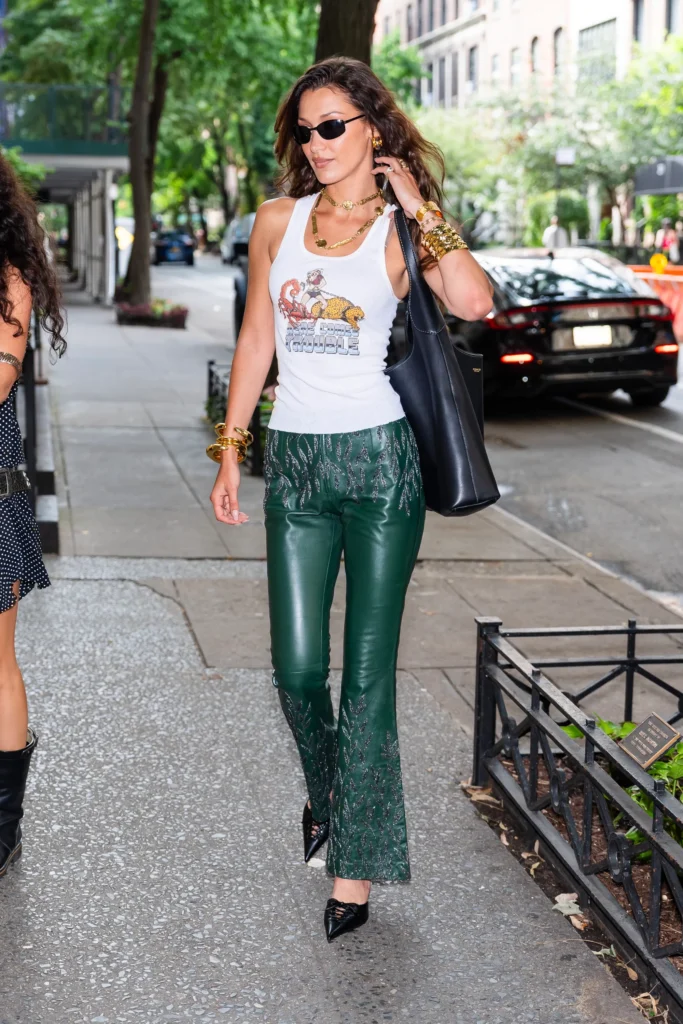
But fashion, as it always does, circled back. Gen Z rediscovered the charm of Y2K aesthetics through platforms like TikTok and Instagram, drawn not just to the clothes themselves, but to what they represented: a pre-smartphone, pre-algorithmic era when self-expression felt unfiltered and a little reckless.
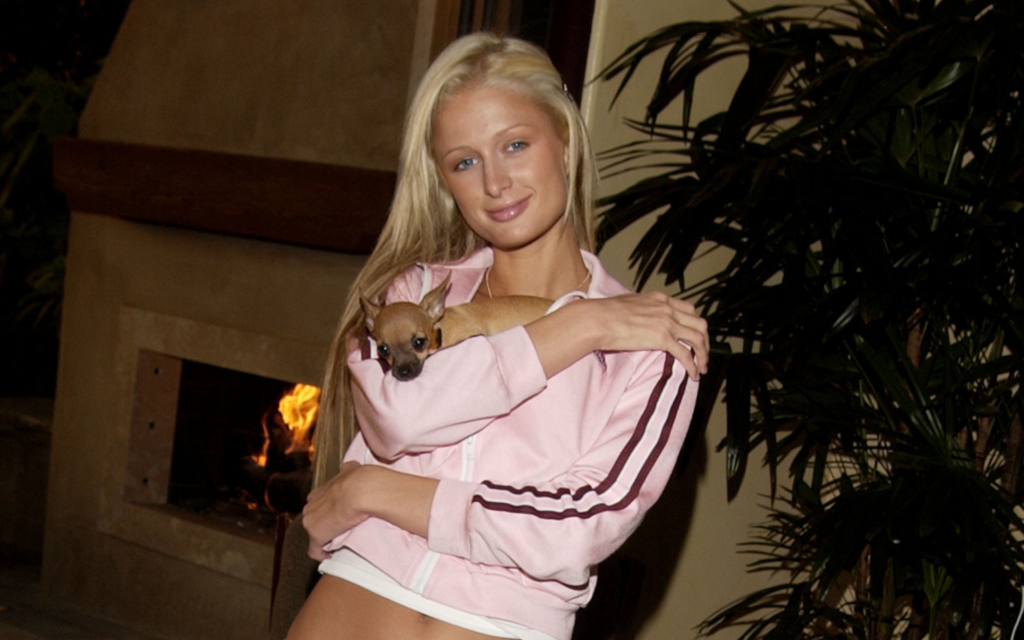
There is something else happening too, something deeper than nostalgia. Gen Z’s embrace of the era is partly an act of revisionism, a reclaiming of the hyper-feminine women like Britney Spears and Paris Hilton who were labelled as bimbos by contemporary tabloids for the simple fact that they were overtly feminine women who enjoyed partying. To wear Y2K today is, in some small way, to give those women their flowers.
Y2K in the Middle East: A Different Kind of Revival
In the region, Y2K’s return has not been a direct copy-paste of the original. The Middle Eastern interpretation has always been filtered through its own sensibility, louder on the accessories, more considered on the silhouettes, and far more creative in how it layers the aesthetic with cultural identity.
The rhinestones landed here with enthusiasm. So did the metallics, the statement bags, the oversized sunglasses, and the logo-forward accessories. But the low-rise midriff moment? That was adapted, reinterpreted, and worn differently, and in that process of translation, something more interesting emerged. Y2K in the region became a conversation between two eras and two aesthetics: the Western pop-futurism of the early 2000s and the rich visual culture of the Arab world.
Regional influencers, stylists, and designers took the Y2K framework and made it their own, mixing the era’s signature maximalism with abaya silhouettes, pairing butterfly clips with kaftans, and bringing the chrome palette into spaces it had never been before.
Where It Stands Now
From high street to luxury, echoes of the early millennium are among the biggest trends on the global fashion scene right now, part nostalgia, part rebellion, and part celebration of early-internet aesthetics. On the Paris runways this season, the references were unmistakable. In Dubai’s concept stores, the vintage archive pieces are flying off the rails.
Y2K started as humanity’s anxiety about the future dressed up in chrome and glitter. What it became, and what it continues to be, is something far more enduring: proof that the clothes we wear are never just clothes. They are the era we lived through, the feelings we couldn’t otherwise name, and the version of ourselves we were brave enough, or reckless enough, to put on display.
The millennium bug never crashed the computers. But it crashed straight into fashion history. And twenty-six years later, we are still wearing the wreckage, and it has never looked better.