
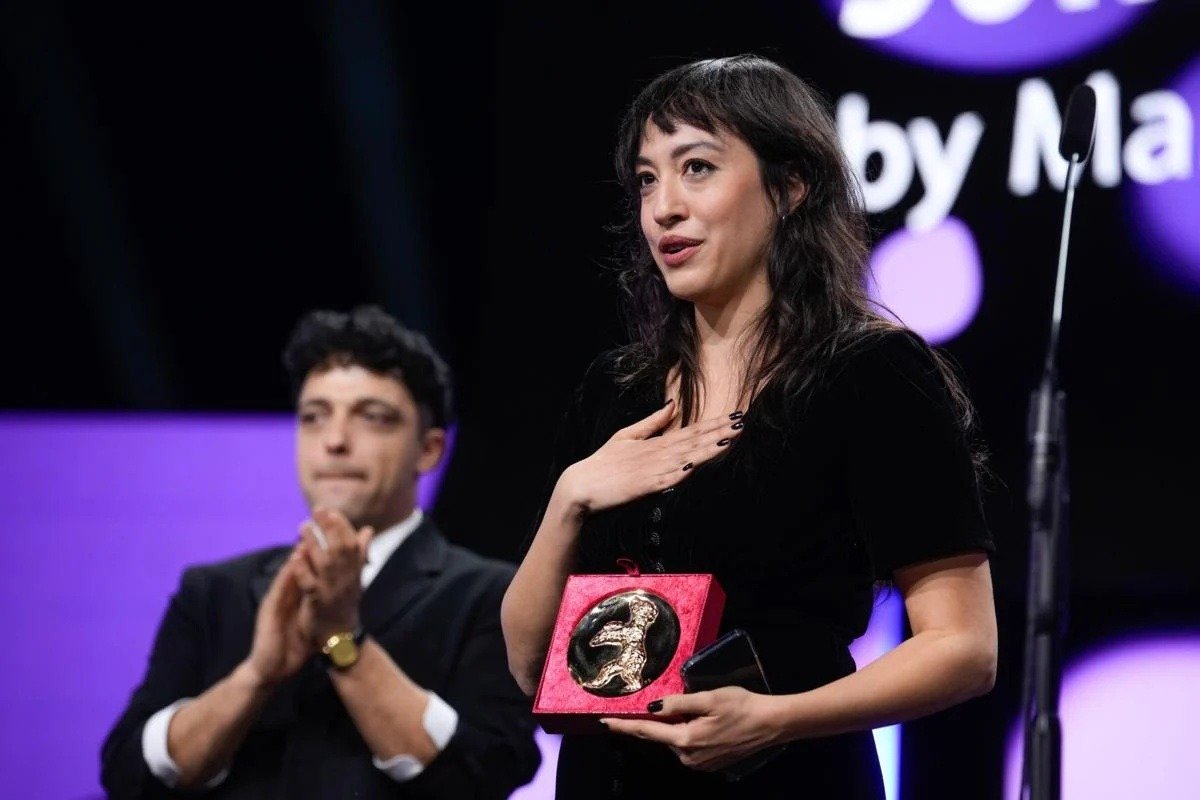
Lebanese director Marie-Rose Osta won the Golden Bear for Best Short Film at the 76th Berlin International Film Festival for Someday, a Child (Yawman ma walad), a film about a boy with extraordinary abilities in a village shaped by conflict. The award was presented at the closing ceremony on February 21, making it one of two major prizes claimed by Arab filmmakers at this year’s festival.
A Boy and Warplanes
The story centers on an 11-year-old boy with telekinetic powers living with his elderly uncle in a Lebanese village amid constant warplane noise. His uncle tries to force him to act “normal,” but the boy’s abilities erupt, culminating in him accidentally crashing warplanes that disrupt his sleep.
It blends magical realism with conflict’s harsh reality, portraying innocence as a form of innate power. Through it, Osta explores how childhood instinct collides with the violence and noise of war, a world where warplanes disturb sleep, nature struggles to be heard, and innocence becomes an unexpected form of power.
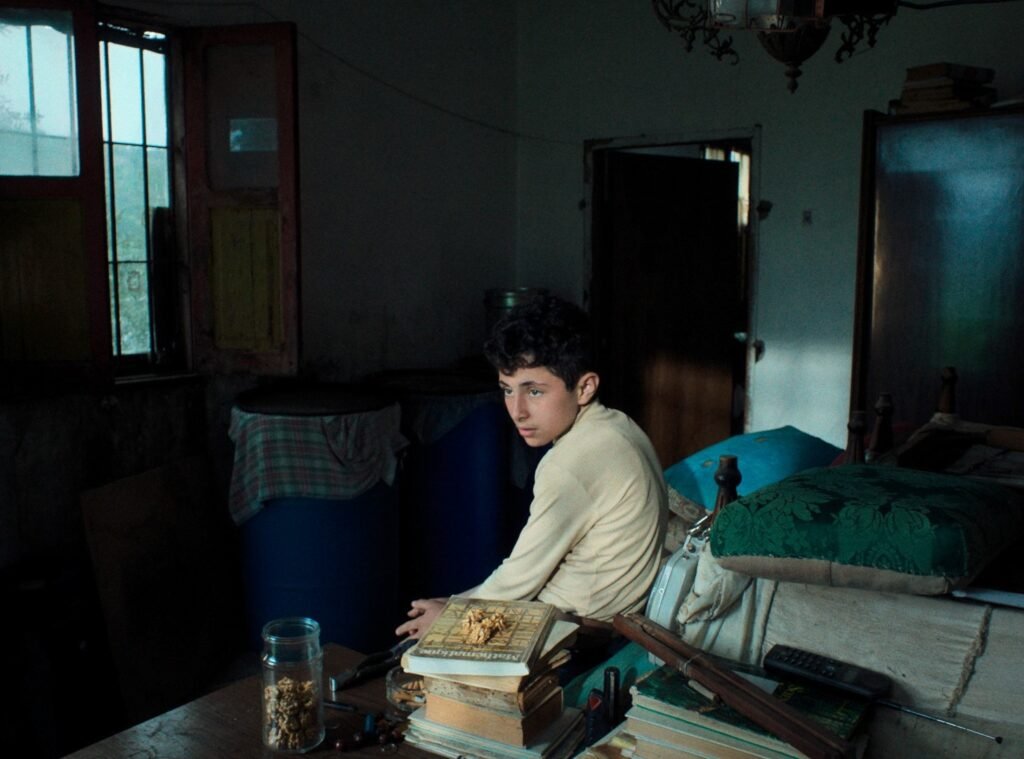
The director has described her film’s spirit plainly, saying, “We don’t come as victims, we come as people with superpowers.”
The Broader Picture at Berlinale
Osta used her acceptance speech to speak directly to the realities of the region. “In reality, children in Gaza, in all of Palestine, and in Lebanon do not have superpowers to protect them from Israeli bombs,” she said. “No child should need superpowers to survive a genocide empowered by veto powers and the collapse of international law. If this Golden Bear means anything, let it mean that Lebanese and Palestinian children are not negotiable.”
The ceremony was politically charged throughout. Abdallah Alkhatib, winner of the best documentary prize for Chronicles From a Siege, brought a Palestinian flag on stage. Meanwhile, the festival’s overall Golden Bear for Best Film went to Ilker Çatak’s Yellow Letters, a political drama about a Turkish artist couple facing authoritarian persecution.