
There was a time, not so long ago, when Ramadan collections were an afterthought. A gilded logo here, a longer hemline there, the kind of seasonal gesture that felt more like a business calculation than a creative act. That era is over. Ramadan 2026 has arrived as something different entirely: a full-blown fashion moment, treated with the same care and creative gravity as Paris Fashion Week. The collections landing in stores right now are not adaptations. They are originals, thoughtful, fluid, and deeply considered.
Searches for modest wear have increased by 62 per cent during the Ramadan period, according to Farfetch. The market has spoken, and the industry has listened. But this year, the response goes beyond filling a commercial gap. What we’re seeing is a genuine evolution in how global fashion understands and honours the holy month.
The Silhouettes Defining the Season
The dominant language of Ramadan 2026 is fluid. Kaftans, abayas, wide-leg trousers, and floor-length gowns are at the heart of every major collection, but they are being executed in ways that feel fresh rather than formulaic. The brief, as worn across collections from Paris to the Gulf, is simple: comfort that doesn’t compromise on elegance, modesty that doesn’t dim your presence in a room.
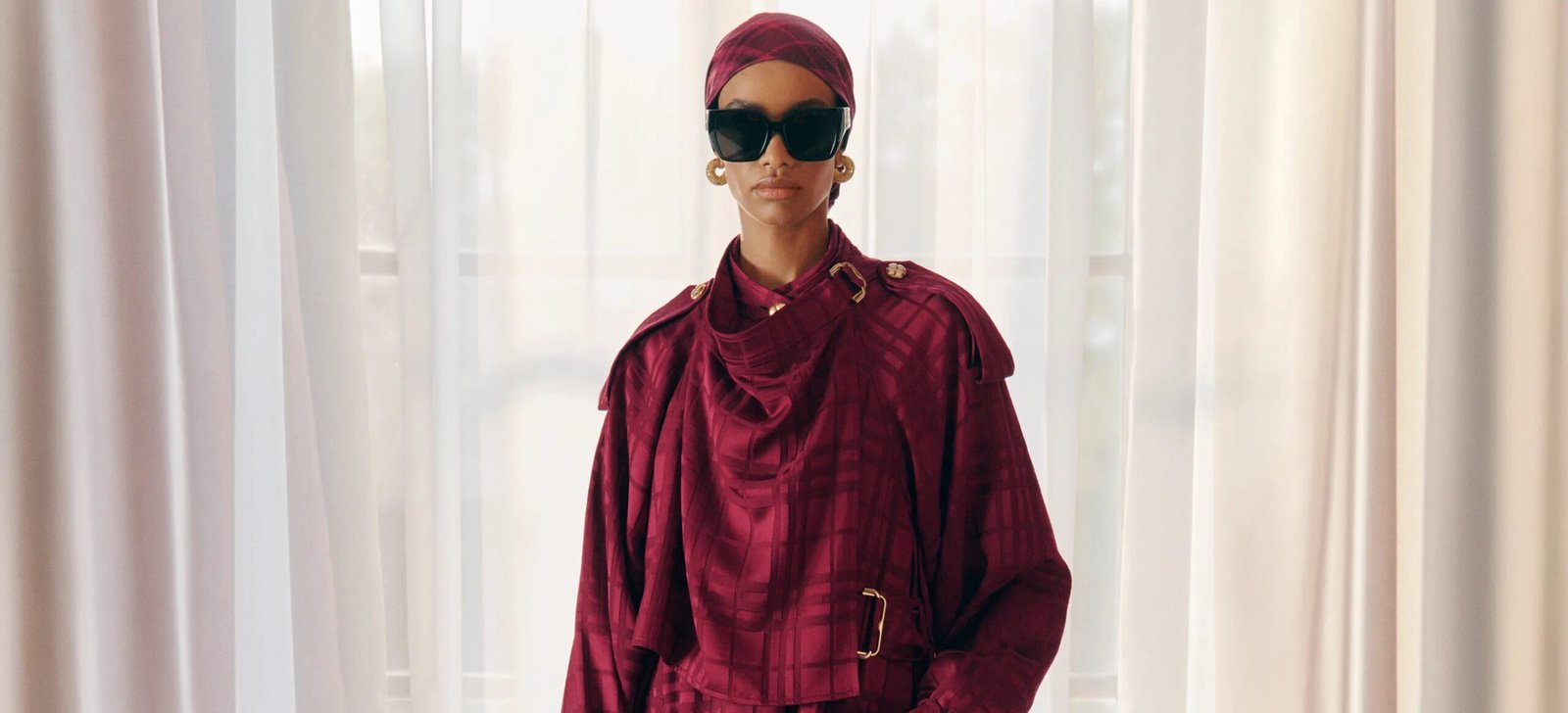
Burberry reworked its iconic trench coat in silk, transforming a functional outer layer into a relaxed, midi-length dress designed to pair with wide-legged silk trousers, finished with a matching red headscarf and a bag in the original check, embellished with clear beads and heavy gold hardware. It is a masterclass in restraint: a house leaning into its own identity while speaking directly to the Ramadan woman.
These are not trend pieces. They are the kind of clothes women actually want to live in, from Asr prayers to late-night Iftar tables.
The Houses Making Their Mark
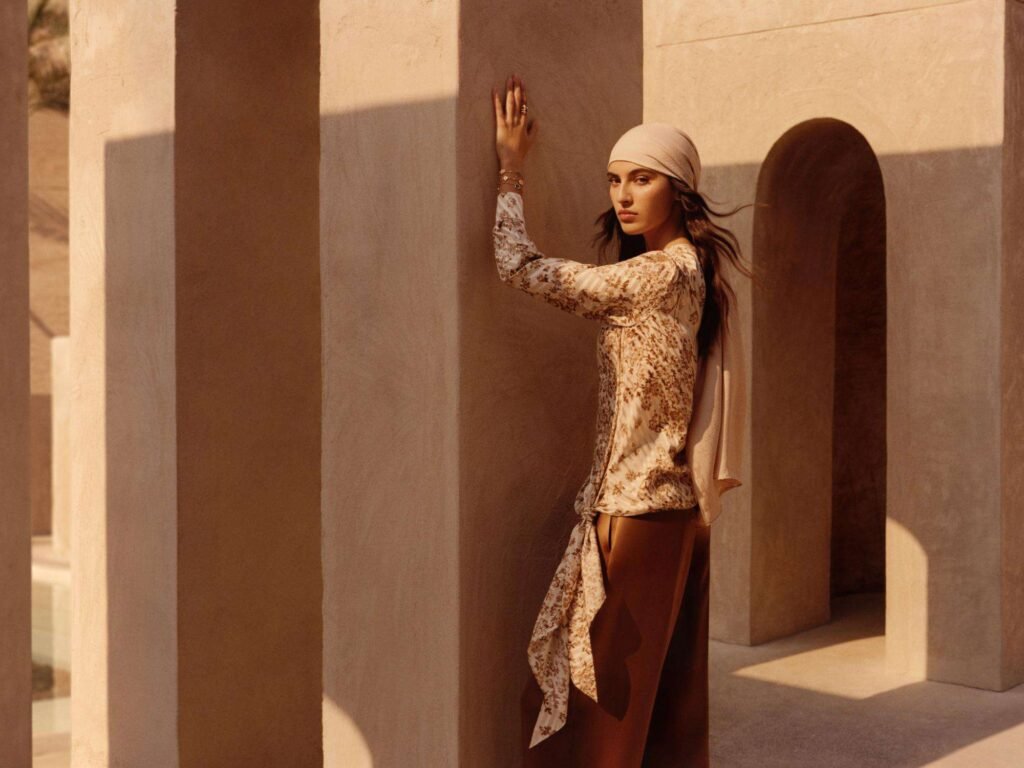
Louis Vuitton’s sixth Mirage collection is being called its strongest yet. The maison pares things back to a striking effect, with simple silhouettes in luxe materials such as glossy silk, lifted by details like mismatched crystal buttons.
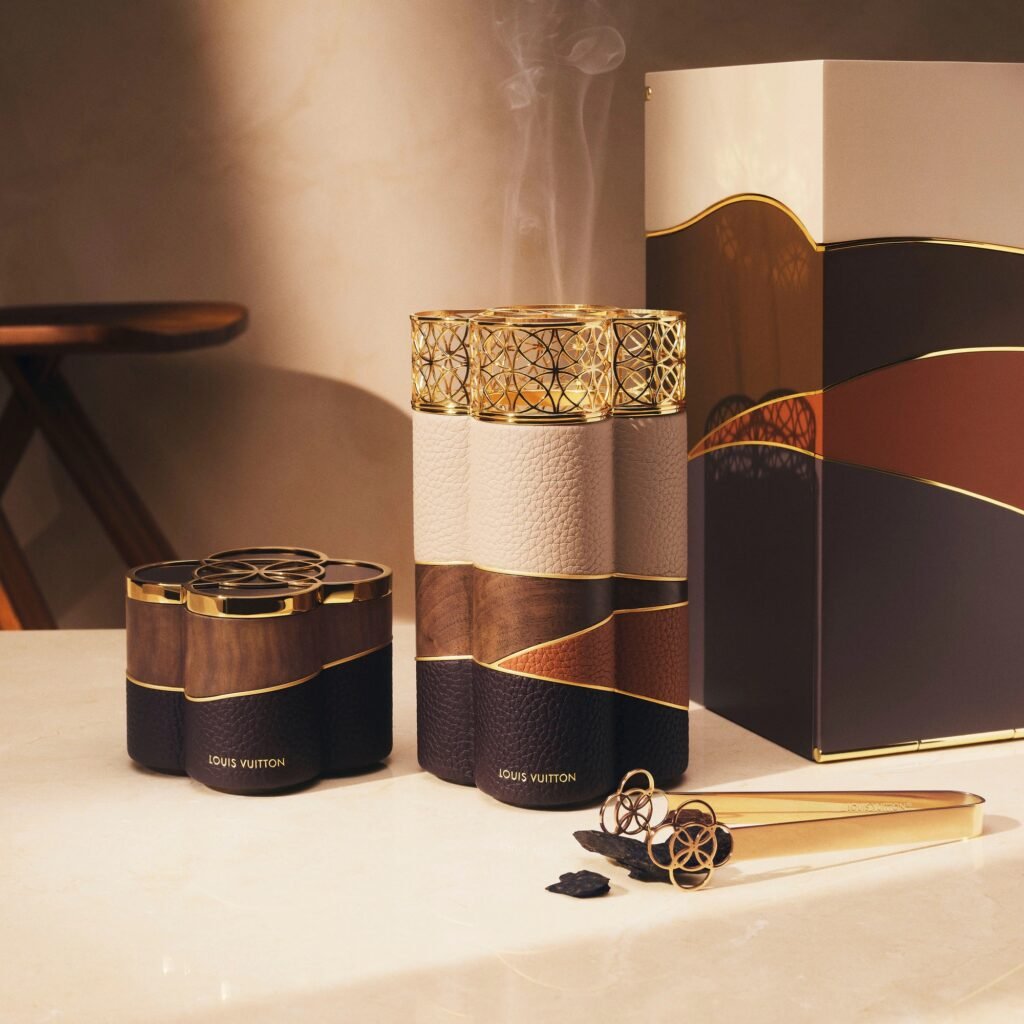
And in a beautifully considered gesture beyond clothing, Louis Vuitton also unveiled a Bakhoor Luxury Set in collaboration with Lebanese artist Nada Debs, a handcrafted incense burner and presentation box made in a mineral palette of pebble, tan, and chocolate, adorned with the house’s legendary monogram flowers reinterpreted in a moucharabieh pattern. It is exactly the kind of cultural fluency that defines this season.
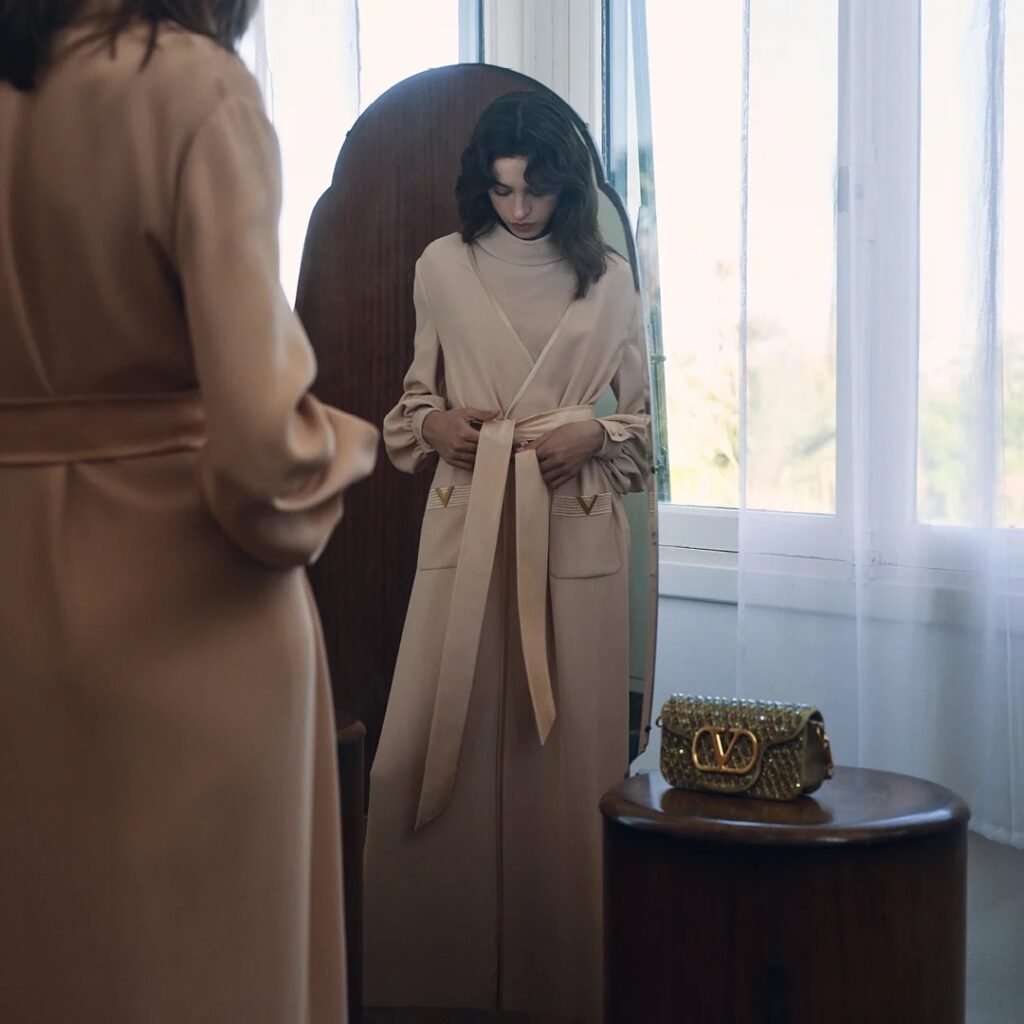
Valentino’s Sama 2026 Capsule Collection, under Alessandro Michele’s creative direction, features six distinct looks in a palette of rose-gold and champagne hues, with fluid gowns accented by the house’s iconic V Gold detailing, alongside kimono-style draping paired with tailored trousers.The accessories echo suit: the Vain bag arrives in precious skins and resin-mirror embellishments, while the VSling and Locò bags are presented in champagne nappa leather with iridescent glass drops and floral sequin motifs.. In contrast,
Celine, under Michael Rider, delivers a first Ramadan collection that feels relaxed and roomy in a distinctly Parisian way, pyjama sets in khaki, ivory, and wisteria, finished with contrasting piping, alongside strappy Cage shoes threaded with tiny gold Celine logos. It is new, yet instantly feels like Celine.
The Regional Designers Leading the Way
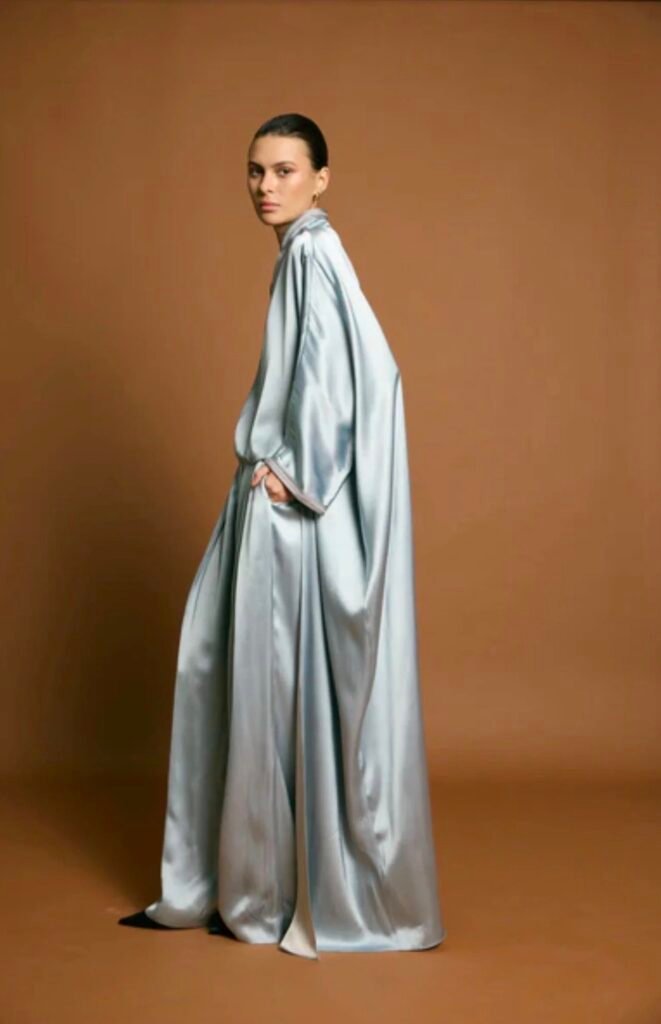
The global houses are catching up to what Arab designers have always known. Regional designers such as Abadia and Dima Ayad have built their brands around the principles of modesty, craftsmanship, and cultural storytelling. Abadia’s earthy tones and artisanal details echo the landscapes of the Arabian Peninsula, while Dima Ayad’s signature draping and soft metallics bring a sense of celebration to every evening gathering.
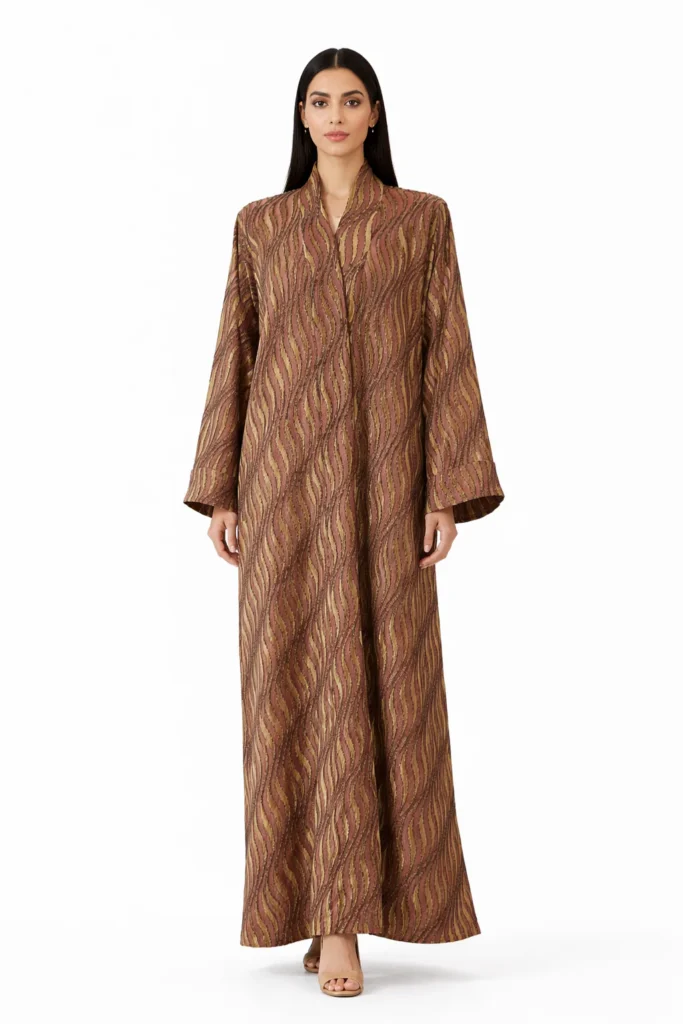
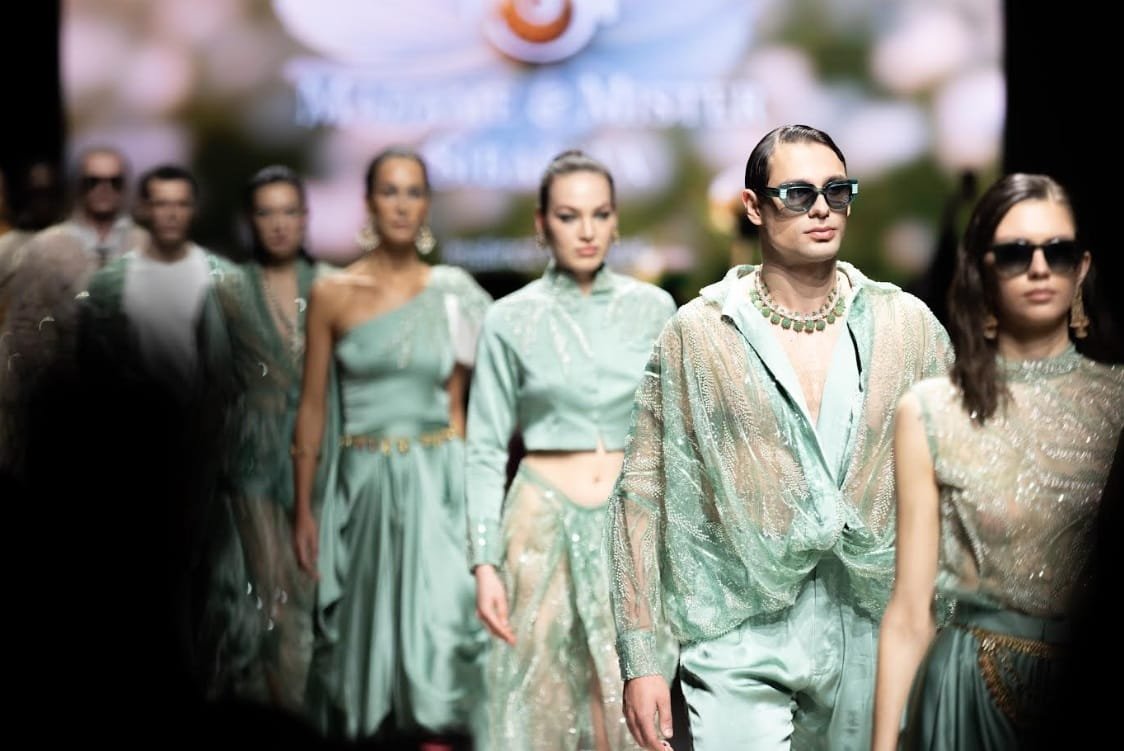
Bambah’s designer Maha Abdul Rasheed returns with a collection inspired by a recent escape to Marrakech, a capsule of dresses, kaftans, and twin-sets rooted in a modern, modest sensibility, each piece effortless enough for intimate gatherings yet elevated for celebratory evenings. And UAE mainstay Mauzan, whose name means “rare pearl”, offers embellished abayas in bone, almond, sand, khaki, black, and midnight blue, dressing the region with the same devotion it has since 1990.
The Palette and the Philosophy
Colour-wise, the season is grounded in the earth and lit by the night sky. Ivory, cream, and sand form the base. Deep burgundy, midnight blue, and olive green bring depth. Gold, pearl, and crystal catch the candlelight. It is a palette that feels both ancient and entirely current.
But perhaps more than any single trend, what defines Ramadan 2026 is a philosophy. The era of simply gilding existing designs has gone. Designers are showing a deeper understanding of the holy month and the reconnection with family and friends at its heart, resulting in collections that are more thoughtful, elegant, and aligned with each brand’s core codes.
This season invites us to press pause on hype and embrace slow style, timeless pieces designed not just for this Ramadan, but for many more to come. In a fashion landscape that often moves too fast, there is something quietly radical about that. Ramadan 2026 isn’t just the holy month’s best fashion season yet. It is a reminder of what clothes can be when they are made with genuine intention.