
Luxury in the Middle East has quietly shifted. The most coveted Hermès Birkin is no longer necessarily the one wrapped in orange tissue at the boutique. A rare-reference Rolex with verified provenance commands more attention than the latest release gathering dust on a waiting list. From Dubai to Riyadh to Cairo, the high-end resale market has evolved from a niche corner to a mainstream phenomenon.
What was once dismissed as “secondhand” is now understood as strategic, sustainable, and often more desirable than buying new.
When Scarcity Becomes Strategy
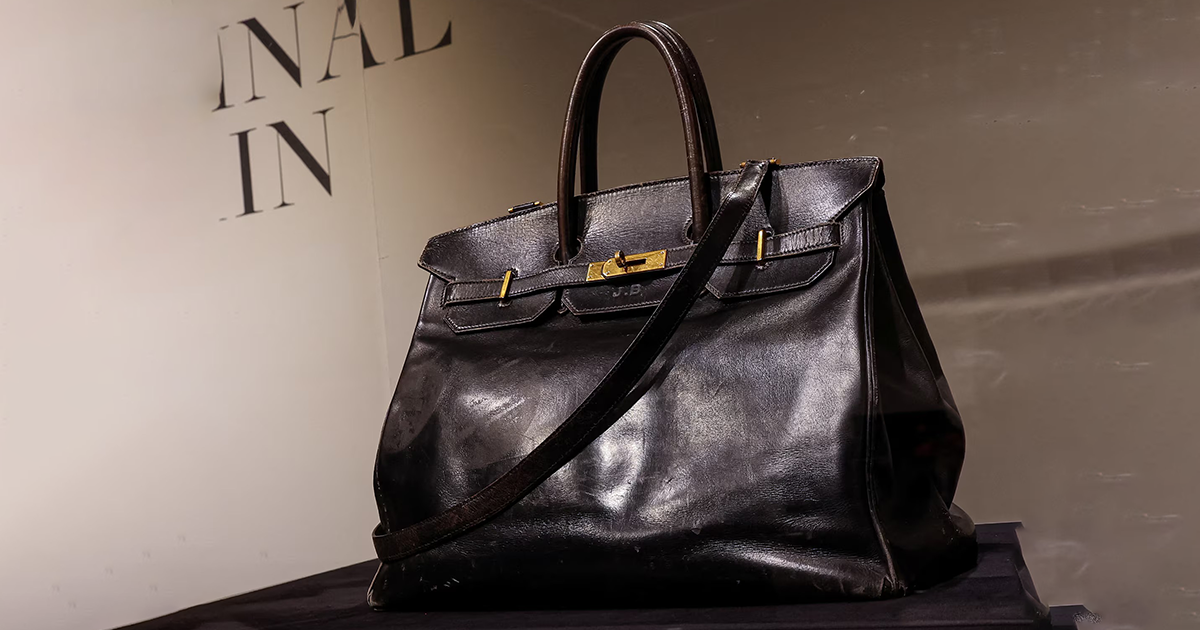
Walk into any Hermès boutique in the Gulf, and the reality is immediate: that Birkin isn’t available. There’s a years-long waiting list and purchase history requirements that feel like interrogation. The same dynamic plays out with Rolex sports models, Patek Philippe complications, and limited-edition Chanel flaps.
Resale platforms dismantle this gatekeeping. A Birkin is available today. A Nautilus can be on your wrist by week’s end. The price reflects actual market demand rather than retail fiction, and for buyers across the Middle East who’ve grown weary of being told what they can purchase, this represents liberation.
Resale offers what brands cannot: transparency. You see the real price, examine the condition, and verify the provenance. In markets increasingly sophisticated about investment logic, luxury goods are being treated less like indulgences and more like appreciating assets.
The Numbers Tell the Story
While global personal luxury goods sales remained flat in 2024-2025 at approximately €358 billion, the Middle East luxury market grew 4-6%, outperforming virtually every other region. Within that growth, resale has emerged as a structural shift.
The Middle East pre-owned luxury market was valued at $45.3 billion in 2025 and is projected to reach $102.8 billion by 2031, one of the highest growth rates globally. The UAE and Saudi Arabia are leading what analysts call “smart luxury”: consumption driven not by logos but by value retention, sustainability, and collector mentality.
The Asset Class You Can Wear
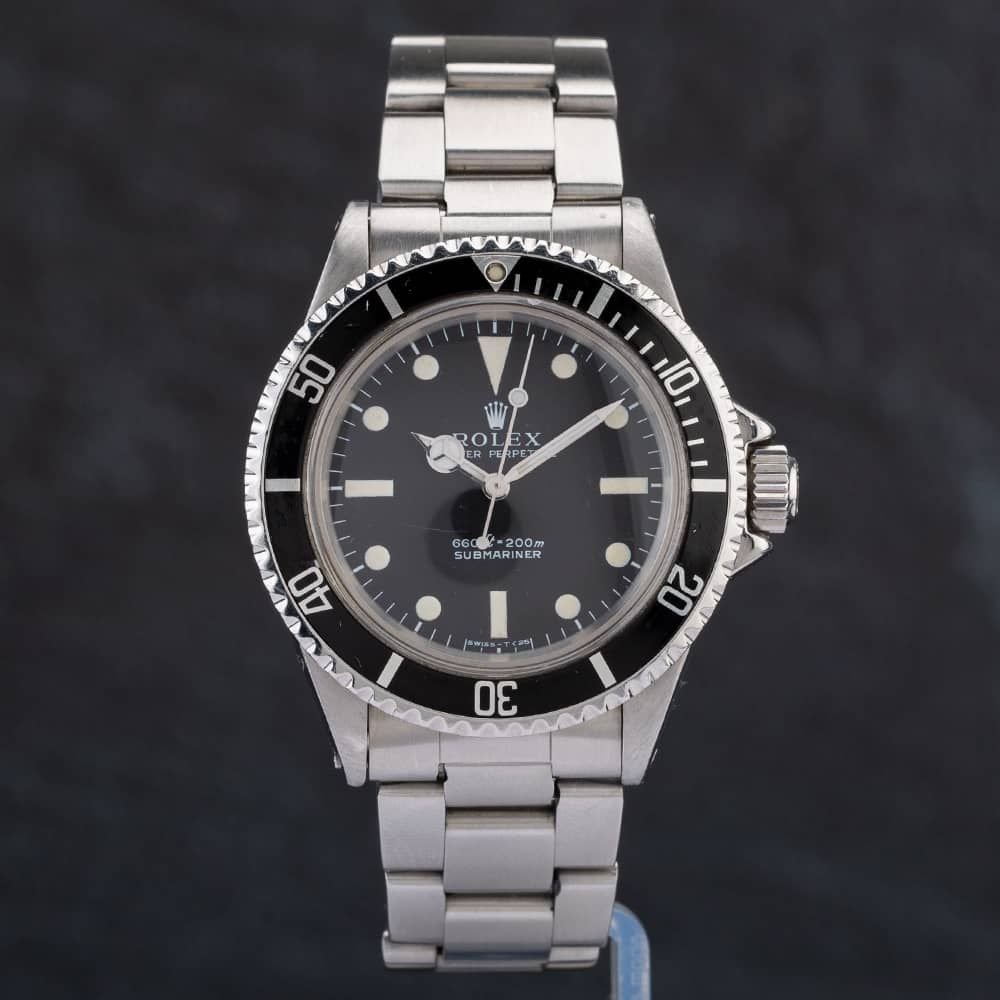
Luxury watches, particularly Rolex, Audemars Piguet, and Patek Philippe, have become tangible stores of value. A pre-owned Rolex Submariner that retailed for approximately $9,000 in 2020 now trades between $13,000-$15,000. The Patek Philippe Nautilus 5711, discontinued in 2021 at around $35,000, now commands over $100,000 for pristine examples.
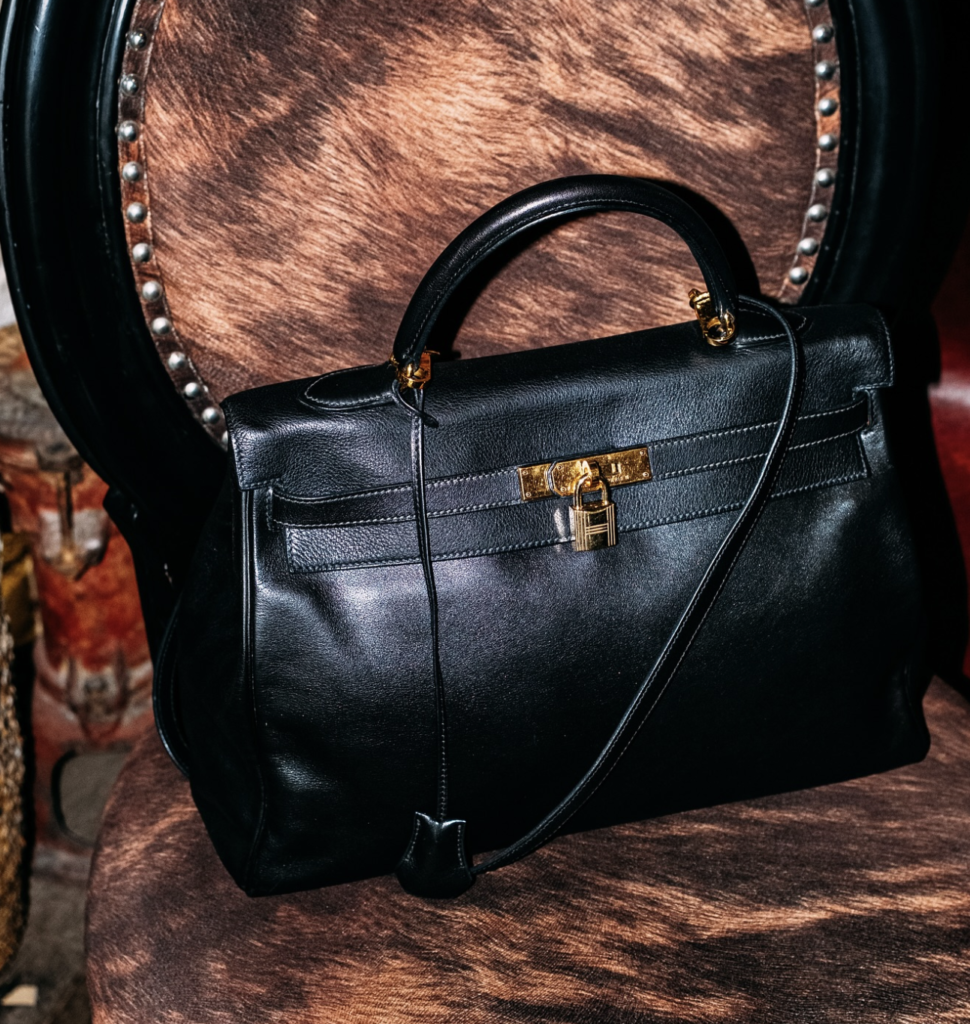
Hermès Birkin and Kelly bags have appreciated between 8-20% annually, depending on model and condition. Chanel’s six price increases between 2019 and 2023 pushed the Classic Flap from around $5,000 to over $10,000 at retail, making strategic pre-owned purchases look prescient. While pre-owned pieces typically trade at 80-90% of current retail, in markets with currency fluctuations and import duties, authenticated resale often offers better value than local boutique pricing.
Sustainability as Value Proposition
Fashion generates approximately 10% of global carbon emissions and requires roughly 8,000 liters of water to produce a single leather handbag. Buying pre-owned neutralizes that environmental debt; the item already exists, consuming no additional resources.
For Middle Eastern consumers, particularly Gen Z buyers, this matters beyond performative environmentalism. Pre-owned luxury offers a rare synthesis: you can own the Chanel, drive less environmental harm, and demonstrate sophisticated taste simultaneously.
Resale platforms position themselves not as cheaper alternatives but as responsible extensions of luxury ecosystems. The message isn’t “settle for secondhand,” it’s “be smart enough to know the difference.”
Authentication Changed Everything
Global platforms like The RealReal, Vestiaire Collective, Rebag, and Chrono24 built their businesses on professional authentication, gemologists, horologists, and brand experts examining every detail. Many now employ AI-assisted verification alongside human expertise, achieving accuracy rates exceeding 99%.
In the Middle East, local boutiques and Instagram-based curators have adapted the model to regional sensibilities, where personal relationships and word-of-mouth carry enormous weight. Buyers want more than verification; they want provenance. Where did this piece come from? How was it cared for? These narratives transform objects into heirlooms.
Luxury brands sell aspiration and newness. Resale platforms sell continuity and context.
The New Signals of Status
In an era when anyone with credit can walk out with this season’s It bag, true connoisseurship lies elsewhere. Recognizing a discontinued Chanel Boy from 2012. Identifying specific Rolex dial variations like Paul Newman Daytonas. Understanding why a Kelly Sellier commands different respect than a Kelly Retourné, these signals require knowledge, patience, and genuine appreciation.
Pre-owned luxury has become the domain of collectors, not just consumers. The person carrying a pristine vintage Hermès Constance from the 1990s demonstrates taste that transcends trends, investment that transcends impulse.
A Permanent Shift
The growing demand for pre-owned luxury in the Middle East represents what analysts call a “structural reset,” a fundamental recalibration of what luxury means when buyers ask: Will this last beyond next season? Will this hold value? Does this reflect who I actually am?
As sustainability awareness, investment logic, and digital transparency converge, resale is cementing itself as a permanent pillar of luxury culture. Some buyers now purchase new luxury with explicit resale value in mind, treating boutique acquisitions as primary market investments.
The industry is learning what Middle Eastern buyers have demonstrated: luxury doesn’t lose power with time or careful stewardship. Sometimes, with the right provenance and appreciation, it gains both cultural capital and financial value.
The orange box still matters. But increasingly, what matters more is what’s inside, and whether it’s worth keeping long after the unboxing moment fades.