
In the years leading up to 1910, garment workers in New York City were done waiting. Exhausted, underpaid, and facing factory conditions that ranged from brutal to deadly, they marched for shorter hours, better pay, and the right to vote. These were not women of privilege making a polite request. They were women with nothing left to lose, and they marched like it. What they started would take decades to fully unfold, but the spark was lit, and it wasn’t going out.
Clara Zetkin and the Origin of IWD
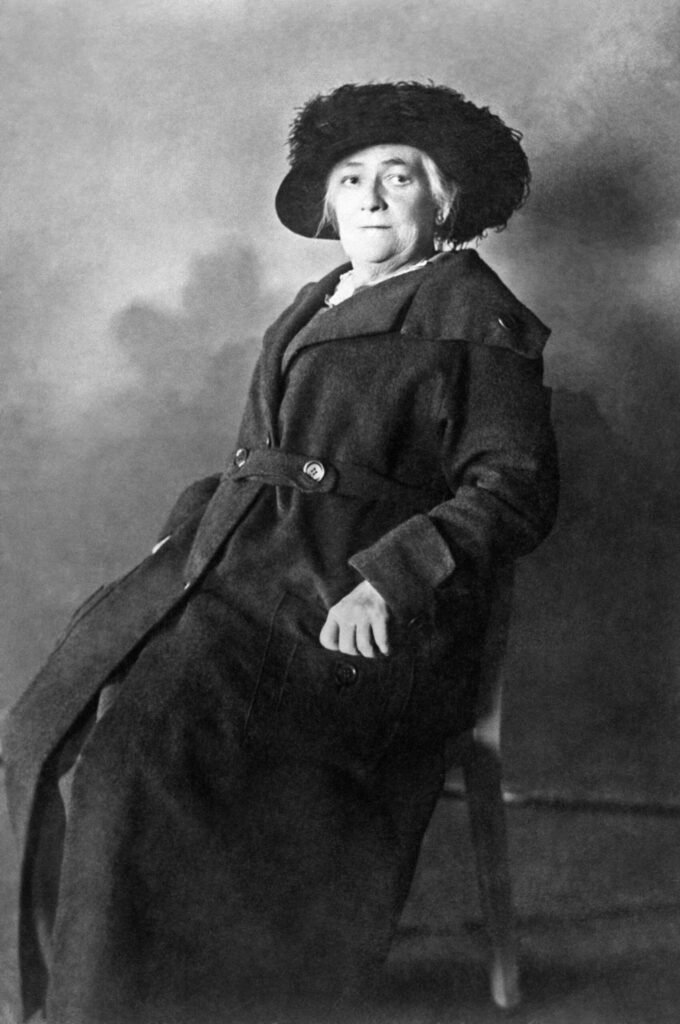
One person, more than any other, turned that spirit into something the world couldn’t ignore.
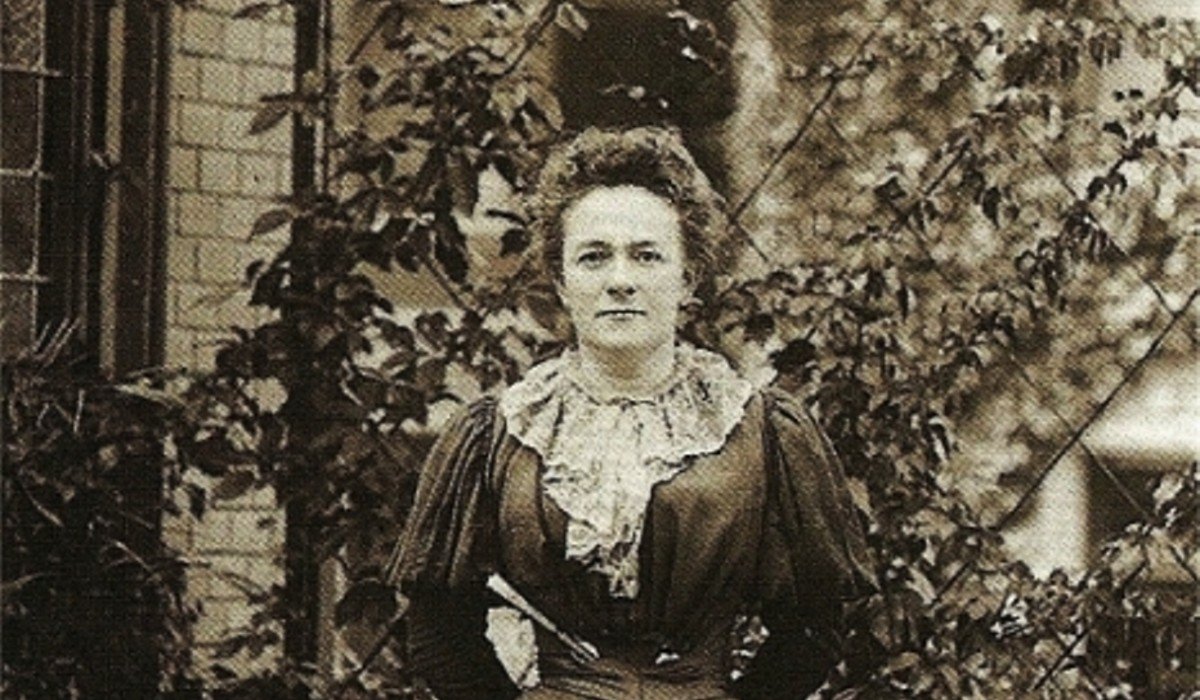
Clara Zetkin, leader of the Women’s Office for the Social Democratic Party in Germany, stood before the International Conference of Working Women in Copenhagen on August 27, 1910, and proposed something deceptively simple: that every year, in every country, women would unite on a dedicated day to demand their rights, together, everywhere, all at once.
The room contained over 100 women from 17 countries, union representatives, socialist party members, working women’s clubs, and among them, the first women ever elected to the Finnish parliament. When Zetkin finished speaking, there was no debate. No amendments. No lengthy deliberation. The vote was immediate and unanimous. International Women’s Day was born in a room full of women who already knew, in their bones, exactly why it was necessary.
The First Celebrations, and a Tragedy
In 1911, the day was observed for the first time on March 19 across Austria, Denmark, Germany, and Switzerland. More than one million women and men poured into rallies demanding the right to work, to vote, to be trained, to hold public office, and to live free of discrimination. One million people. In 1911. That number deserves a moment.
Less than a week later, the movement received its most devastating reminder of why it existed. On March 25, the Triangle Shirtwaist Fire tore through a garment factory in New York City and killed 146 workers, most of them young Italian and Jewish immigrant women who had no way out. The doors had been locked from the outside by management, meant to prevent unauthorised breaks. The fire became a turning point in American labour law, and its memory became permanently woven into every International Women’s Day that followed.
The Russian Revolution and March 8
The day found its permanent date through an act of raw, uncompromising courage.
By 1917, Russia was drowning. Two million soldiers were dead in the First World War, and the people left behind, particularly women, were hungry, exhausted, and furious. On the last Sunday of February that year, women in Petrograd walked off the job and into the streets. On the Gregorian calendar, that Sunday was March 8. Political leaders told them the timing was wrong. They marched anyway.
Four days later, the Czar abdicated. The provisional government that replaced him granted women the right to vote. A strike that began in food queues, with women who simply wanted bread and peace, had toppled an empire. March 8 was fixed from that moment forward, and nothing would move it again.
How the UN Made IWD Global
From its roots in the labour movements of early twentieth-century North America and Europe, International Women’s Day gradually outgrew any single political identity. In 1975, the United Nations began marking it during International Women’s Year. Two years later, in 1977, the General Assembly formally invited all member states to observe March 8 as the UN Day for Women’s Rights and World Peace.
What had begun with socialists in factory halls now spoke a universal language — human rights, gender equality, global solidarity. No country could claim the date didn’t apply to them. It applied to everyone.
The Significance of International Women’s Day
Today, International Women’s Day moves across continents through marches, exhibitions, campaigns, speeches, and moments of quiet personal reflection. The themes shift year to year, but the thread running through all of them is the same one Clara Zetkin pulled in Copenhagen, and the same one those garment workers pulled in New York: equality is not a gift to be handed down. It is a right to be claimed.
It is the story of ordinary women as makers of history, rooted in the centuries-old fight for equal footing in society. It started with hunger. It was forged through fire and revolution. And every March 8, it still asks the same question it has always asked:
How much further do we have to go?