
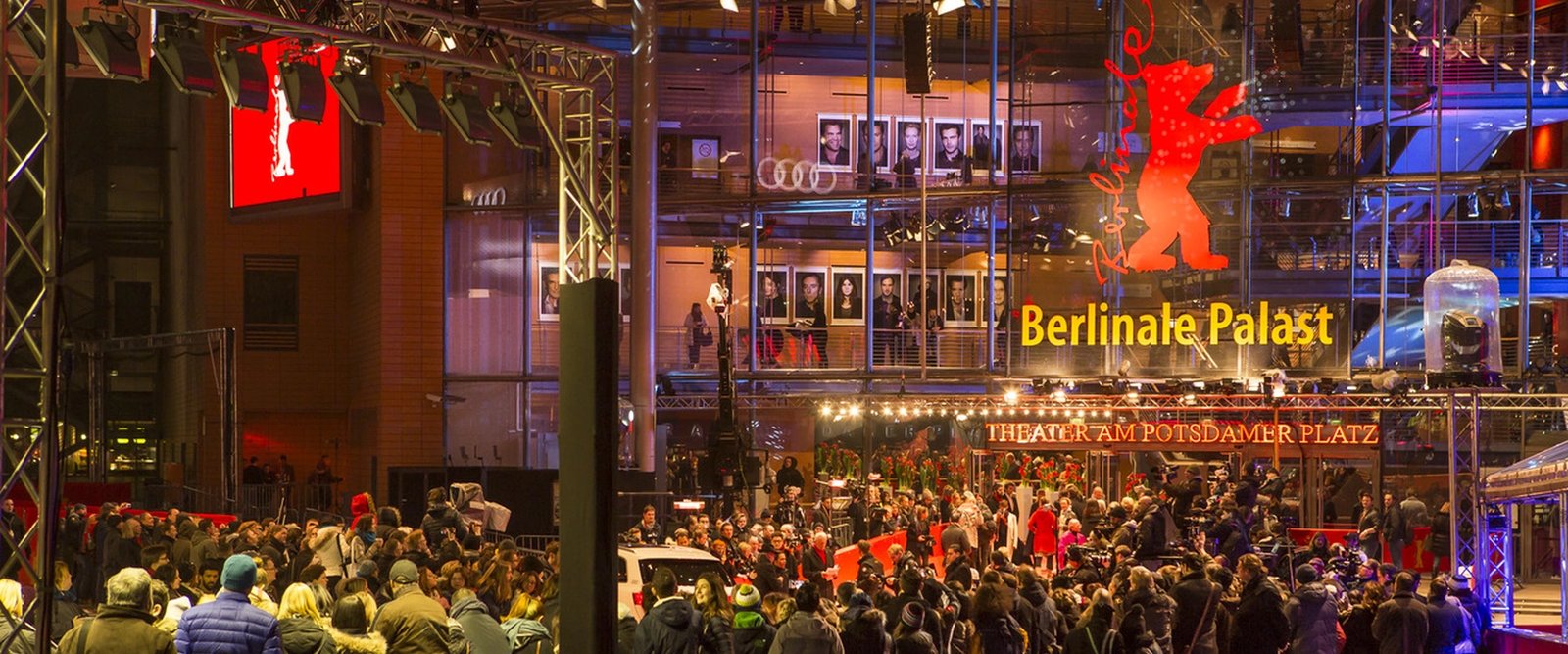
The Berlin International Film Festival, long regarded as one of cinema’s most politically engaged stages, has found itself at the center of controversy. This year, the Berlinale’s perceived silence on ongoing global humanitarian crises has drawn criticism from actors, filmmakers, and industry voices who believe the festival has stepped away from its tradition of outspoken cultural commentary.
For decades, the Berlinale has distinguished itself from other major festivals through its willingness to engage with political themes. Its programming often champions socially conscious storytelling, amplifies marginalized voices, and frames cinema as a tool for dialogue. Against that backdrop, the absence of clear institutional statements this year has felt conspicuous to many.
A Festival Known for Its Political Voice
Unlike Cannes or Venice, Berlin’s festival has historically leaned into political expression. Red carpets have doubled as platforms for protest, acceptance speeches have carried activist undertones, and films addressing war, displacement, and human rights have frequently taken center stage.
This legacy is precisely why the current criticism carries weight. For many artists, the Berlinale represents more than an industry event; it is a space where art and conscience intersect. When that space appears quiet, the silence is interpreted as a statement in itself.
Celebrity Voices Speak Out
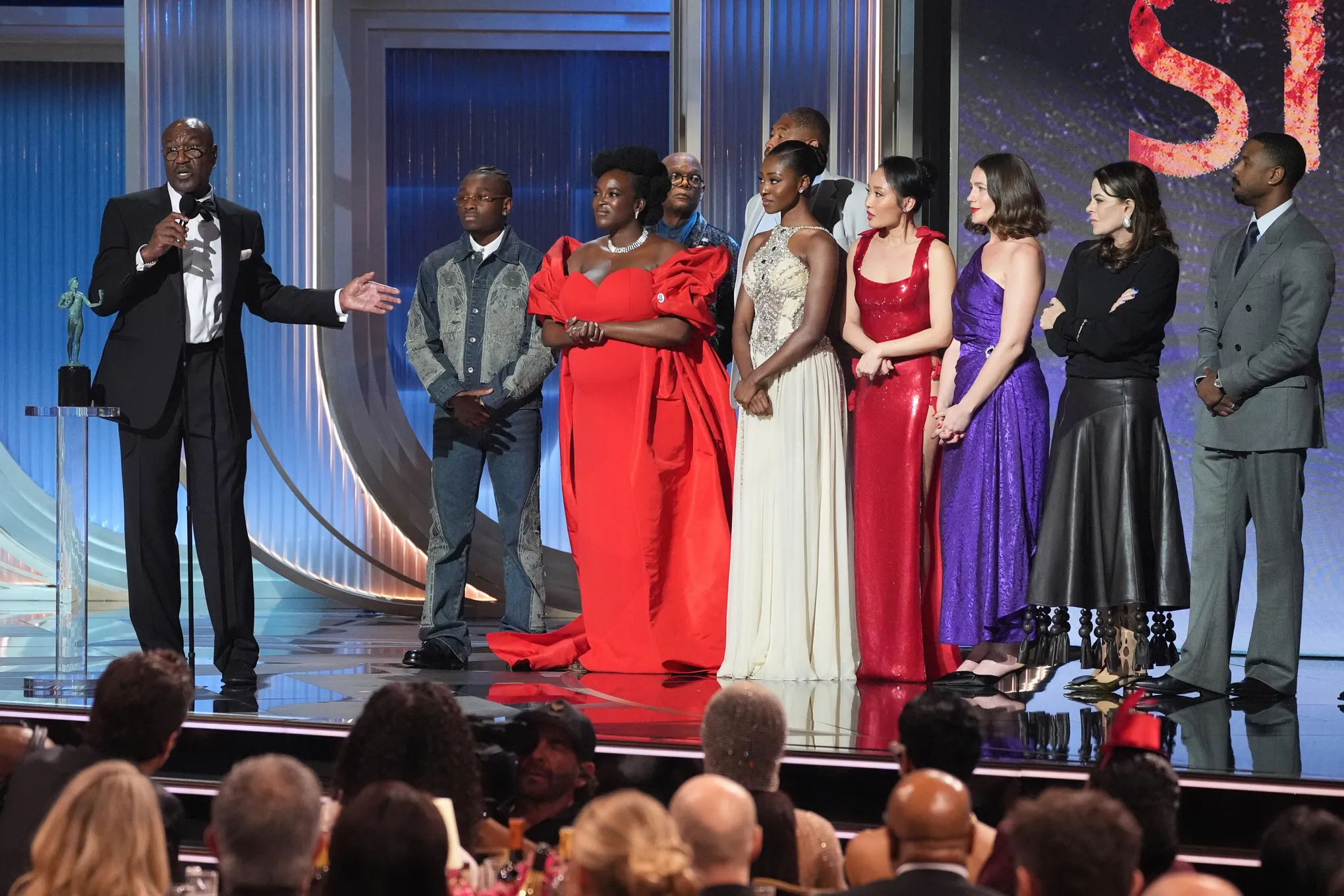
In the days surrounding the festival, several prominent figures publicly questioned the absence of official commentary. Actors and filmmakers used interviews and social media to express disappointment, arguing that cultural institutions have a responsibility to acknowledge global realities.
Their criticism reflects a broader shift in the entertainment industry, where audiences increasingly expect public figures and institutions to take positions on humanitarian and political issues. Silence, in this context, is often perceived as neutrality or avoidance.
The reactions were not uniform, however. Some voices defended the festival’s decision to focus on cinema rather than political messaging, warning against placing unrealistic expectations on cultural events. This divide highlights a growing tension across the arts: should festivals remain neutral platforms, or should they actively participate in global conversations?
Art, Responsibility, and Expectation
The debate surrounding the Berlinale raises larger questions about the role of cultural institutions today. Film festivals exist at the intersection of art, commerce and public discourse. As global audiences become more socially aware, the pressure on these institutions to reflect ethical concerns continues to grow.
For many observers, the controversy underscores how deeply intertwined cinema and politics have become. Films do not exist in isolation, and neither do the events that celebrate them.
Why the Conversation Matters
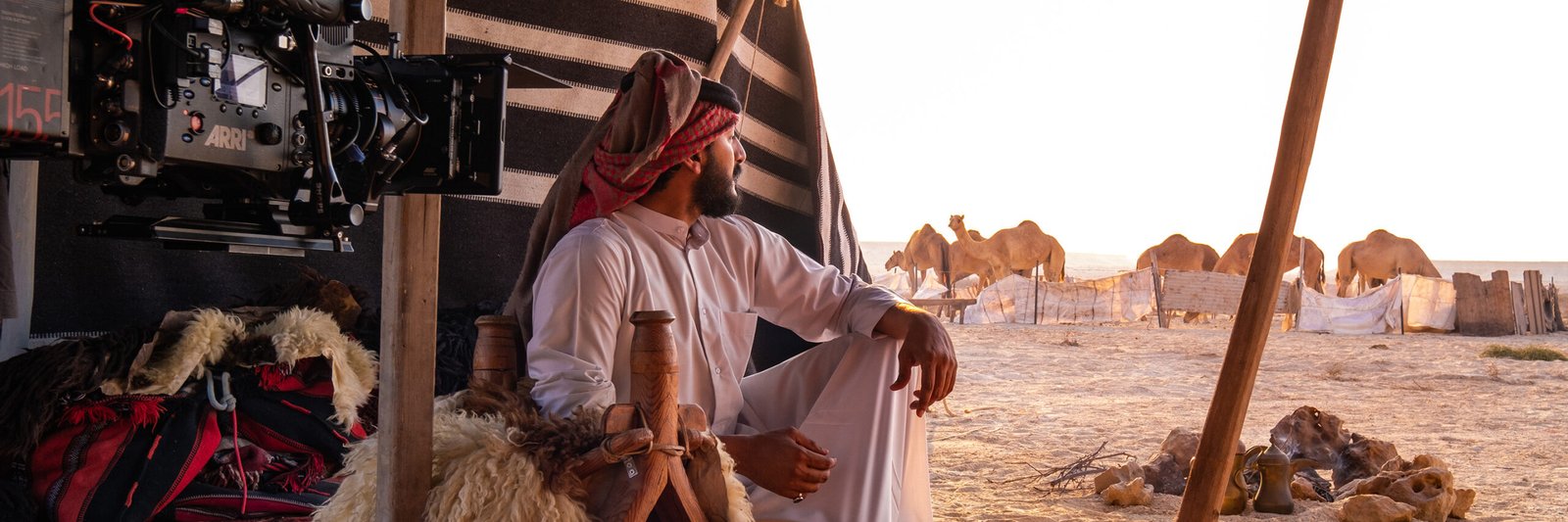
For audiences in the Middle East, the discussion feels particularly relevant. Cinema from the region has long engaged with themes of identity, conflict, and social change. Festivals like the Berlinale often serve as gateways for these stories to reach global audiences.
The current backlash reveals how much artists and audiences value platforms that amplify difficult conversations. Whether the festival chooses to respond directly or maintain its stance, the debate has already reshaped how its role is perceived.
In the end, the controversy may signal a broader cultural shift: the expectation that art spaces not only reflect the world, but respond to it.