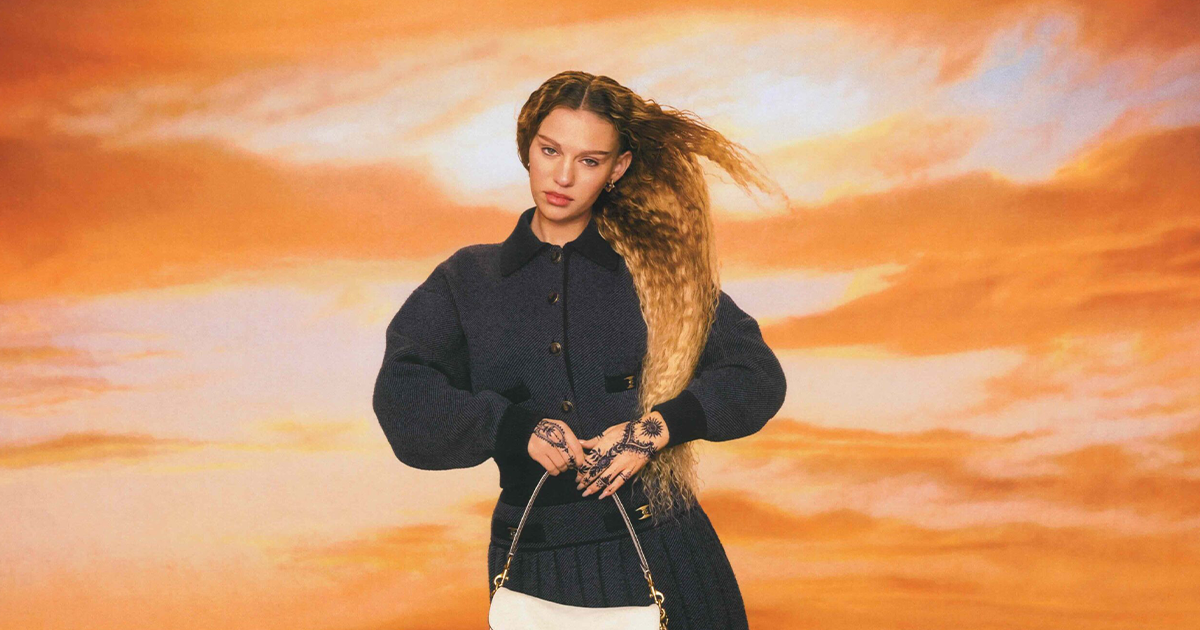
The luxury fashion industry underwent a notable transformation in 2025, as major houses increasingly turned to Arab artists to forge deeper connections with audiences in the Middle East and North Africa. Moving beyond traditional influencer partnerships, brands like Coach, Diesel, and Gucci embraced musicians and creative figures who brought authentic cultural narratives to their campaigns.
From Celebrity Endorsements to Cultural Storytelling
The shift represented a calculated response to evolving consumer expectations in the MENA region, where audiences increasingly sought brands that respected and reflected their heritage. Rather than simply featuring celebrities in advertising, luxury houses collaborated with artists on collections, events, and campaigns that integrated regional traditions and aesthetics.
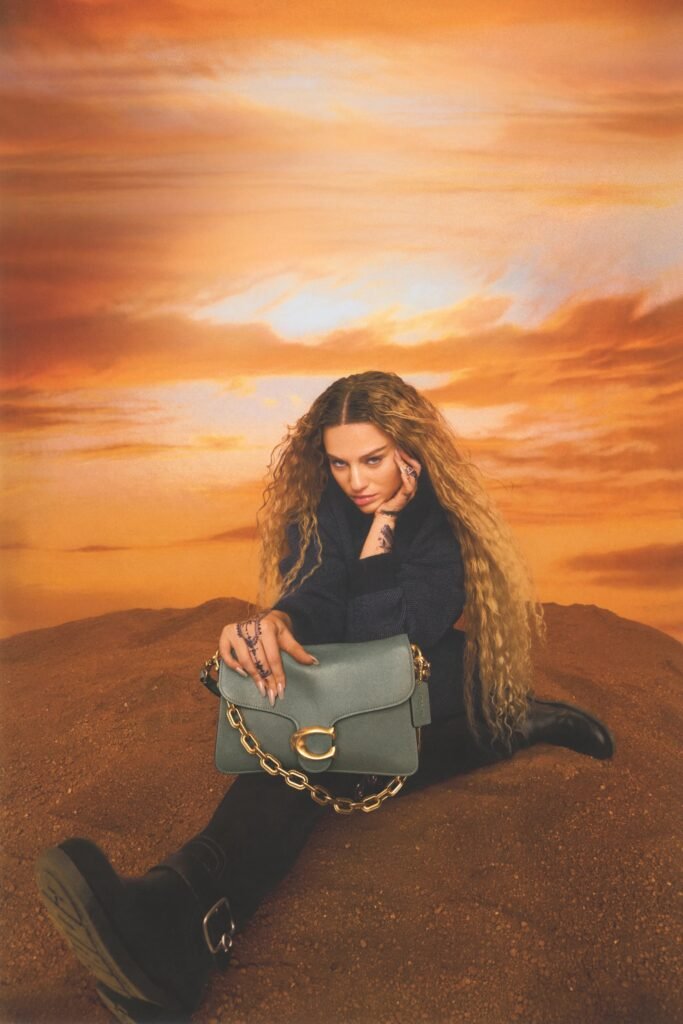
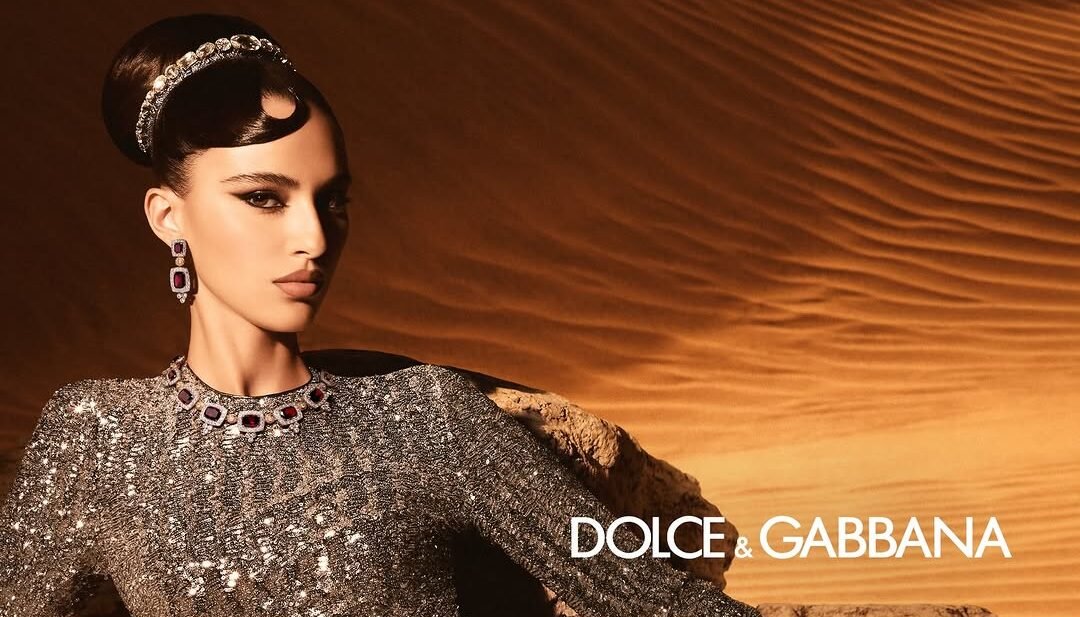
Elyanna, the Palestinian-Chilean singer known for performing entirely in Arabic, exemplified this approach when she fronted Coach’s Ramadan 2025 campaign. The collaboration featured desert landscapes and incorporated cultural elements, including traditional coins and henna designs alongside the brand’s signature handbags and gold accessories.
Music Meets Fashion on Global Runways
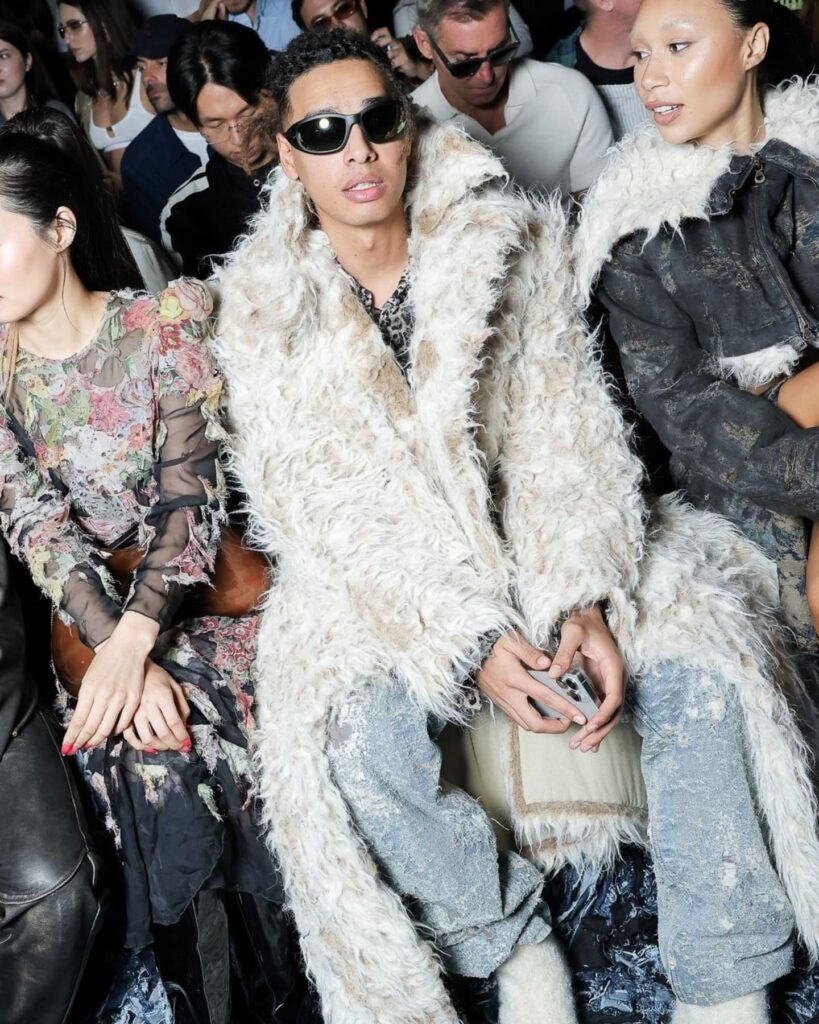
Egyptian rapper Marwan Pablo’s partnership with Diesel demonstrated how regional artists were gaining visibility on international stages. As a brand ambassador, Pablo performed at a surprise concert in Cairo in late April and attended Diesel’s Fall/Winter 2025 runway show in Milan, where he wore the label’s signature denim pieces.

Lebanese singer Yara took collaboration a step further by co-curating a jewelry collection. Her “Love Me, Love Me Not” line with Samra Jewelry, launched in April, drew inspiration from childhood memories of plucking daisy petals.
A Strategic Pivot for Luxury Houses
Industry observers noted that these partnerships reflected luxury brands’ recognition of the Middle East as a significant and sophisticated market. By collaborating with artists whose cultural credentials resonated locally, brands sought to establish relationships that extended beyond transactional marketing.
Regional fashion events underscored this momentum. Gatherings like Fashion Trust Arabia 2025 attracted international attendees while showcasing Middle Eastern design talent and glamour, further cementing the region’s position in global fashion conversations.
The trend suggested that luxury brands in 2025 increasingly valued depth of cultural connection over breadth of social media reach, partnering with artists whose work and identities were rooted in the traditions they represented.