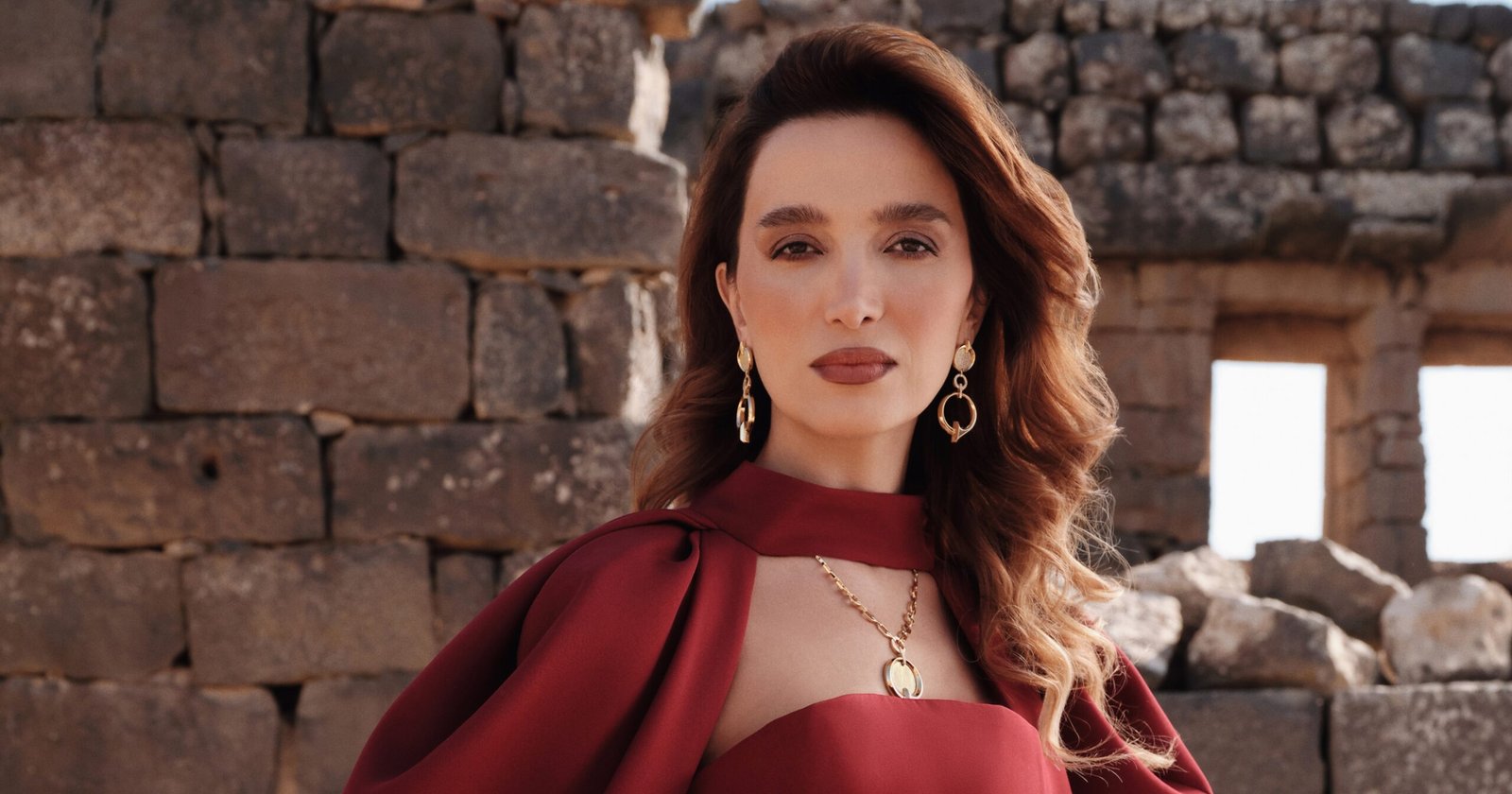
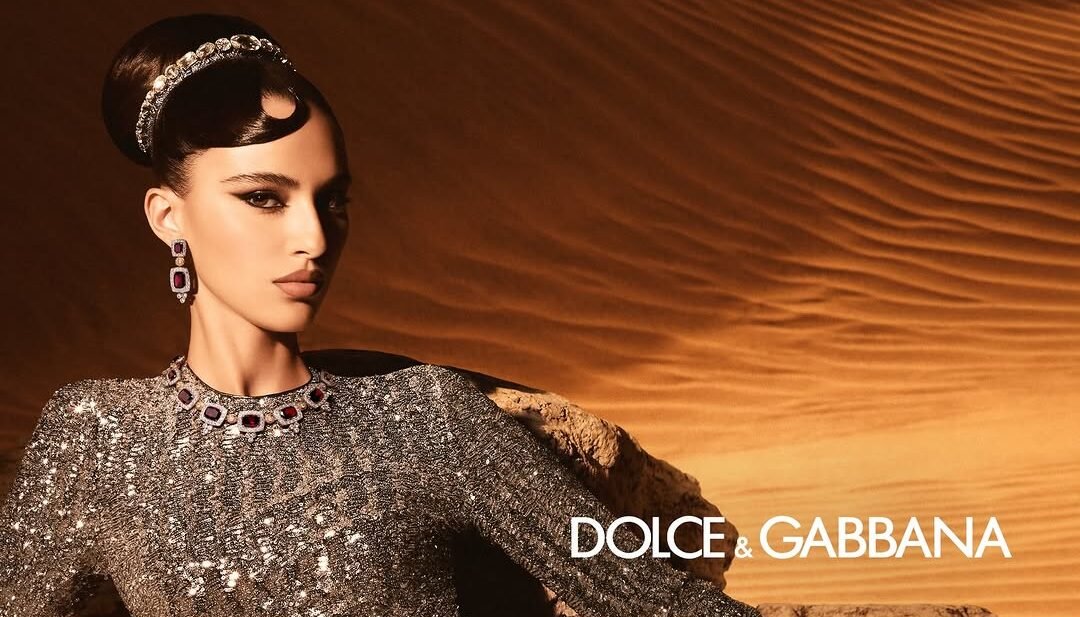
Luxury fashion’s Ramadan campaigns have become a cultural statement as much as a seasonal release. This year, Dolce & Gabbana placed Saudi-French model Amira Al-Zuhair at the center of its narrative, capturing her in a silver, floor-length gown set against sweeping desert dunes. The imagery feels cinematic yet restrained, a deliberate nod to the region’s landscapes and the growing importance of Middle Eastern storytelling in global fashion.
A Rising Star in Motion
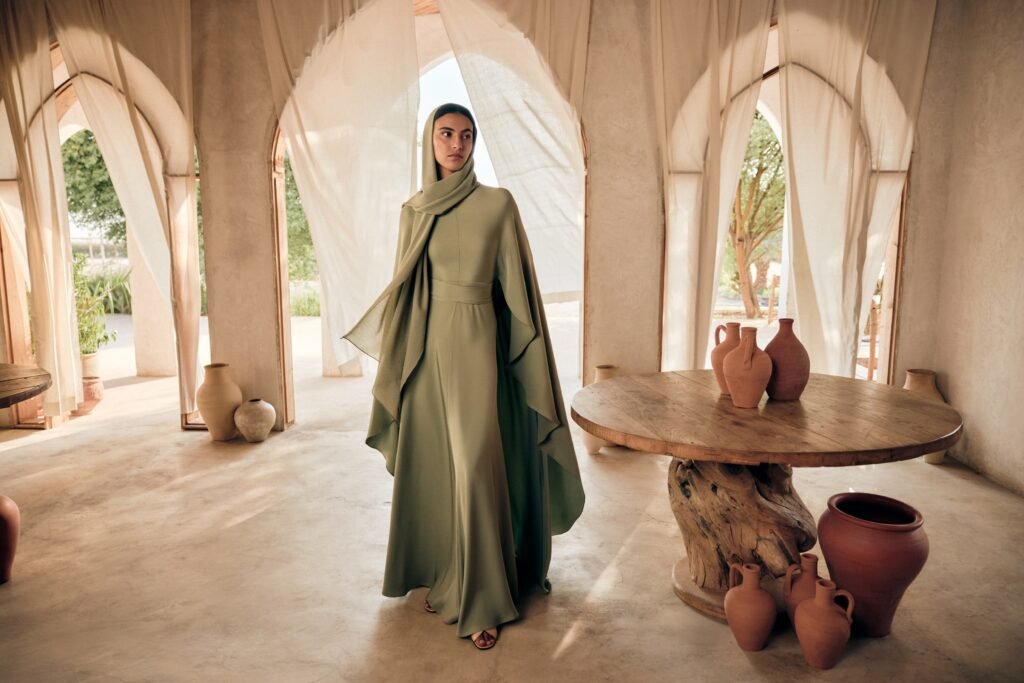
The campaign arrives during a moment of remarkable momentum for Al-Zuhair. Earlier this month, she appeared in a Ramadan shoot for Italian label Loro Piana, marking a series of high-profile collaborations that signal her accelerating rise. In an industry built on discovery and reinvention, her trajectory reflects the increasing visibility of Arab talent on international stages.
Just weeks earlier, she walked Jacquemus’ Fall/Winter 2026 show at the Musée National Picasso in Paris, closing a segment of the presentation in a sharply tailored ensemble that balanced elegance and drama. The appearance placed her firmly within fashion’s most influential circles.
A Cross-Cultural Presence
Born in Paris to a French mother and Saudi father, Al-Zuhair embodies a generation of models whose identities move fluidly across borders. Her runway résumé includes Missoni, Maison Alaïa, Brunello Cucinelli, Balmain, Giorgio Armani, and Elie Saab, while campaigns for Prada, Chanel, and Carolina Herrera have expanded her global reach.
Ramadan Campaigns as Cultural Dialogue
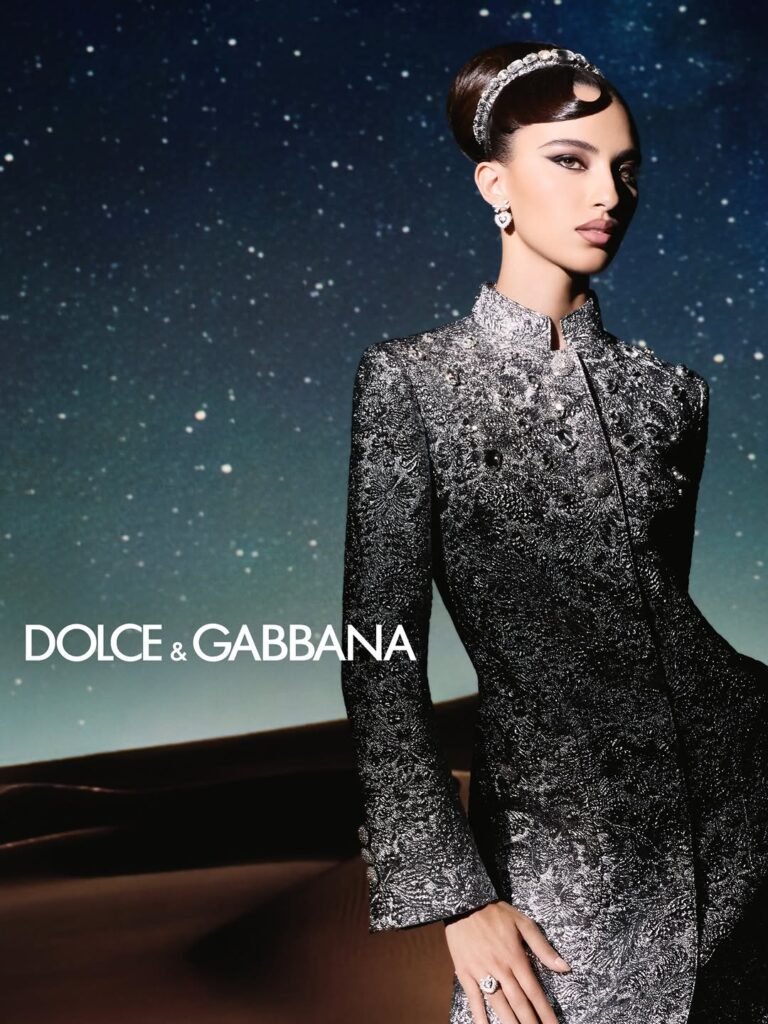
The growing prominence of Ramadan fashion campaigns reflects a broader shift within luxury: recognition of the Middle East as both audience and creative influence. By casting Al-Zuhair and placing her within a desert landscape, Dolce & Gabbana present a narrative that blends glamour with familiarity.
In the stillness of the campaign’s desert backdrop, the message is clear. The future of fashion is shaped by voices that bridge cultures, and Amira Al-Zuhair is among the most compelling of them.