

There is a particular kind of ambition that does not announce itself loudly. It shows up in the weight of a platinum case, in the way engraved star trails catch light across a blue enamel dial, in the soft, bell-like chime of a minute repeater echoing across a quiet room. Audemars Piguet has always understood this kind of ambition. And with the unveiling of the 150 Heritage, a grand complication pocket watch powered by the new Calibre 1150. The Swiss manufacturer has delivered not just a timepiece, but a philosophical statement about where watchmaking came from, and how far it can still go.
The 150 Heritage is not a tribute watch in any conventional sense. It is not a reissue, or a sentimental nod to better days. It is a genuinely new machine, one of the most mechanically complex objects ever built, presented in a format that most of the industry had quietly retired decades ago. The pocket watch. A form born before the wristwatch existed, and one that Audemars Piguet has now transformed into something the 21st century has never quite seen.
A House Built in the Mountains, Built to Last
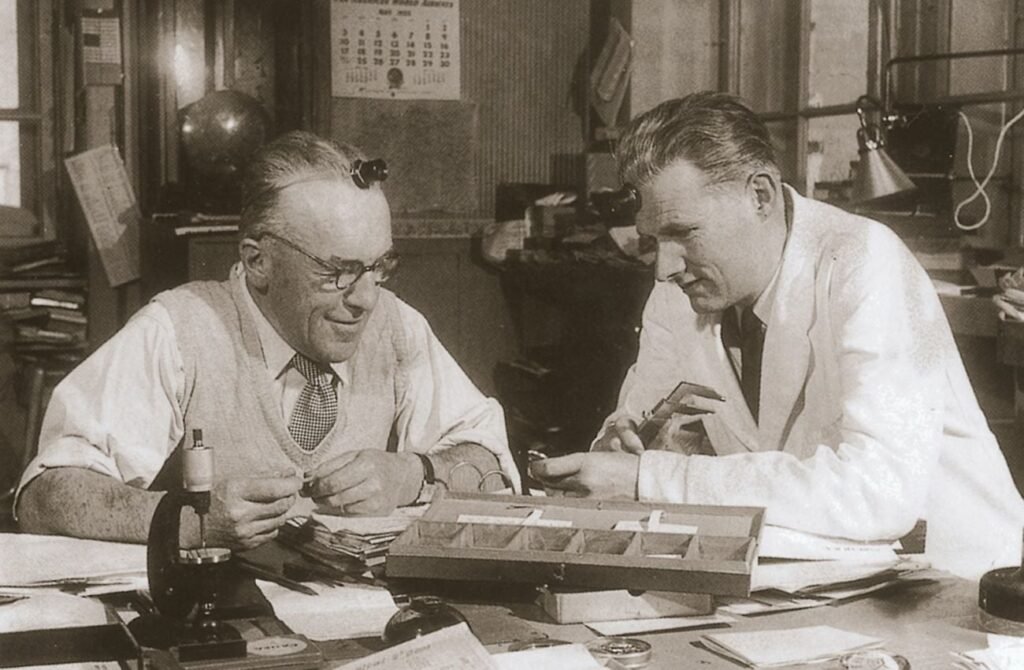
In 1875, Jules-Louis Audemars and Edward-Auguste Piguet founded their manufacture in the Vallée de Joux, a remote stretch of the Swiss Jura that had sheltered watchmakers for centuries, partly because the long winters gave craftsmen little else to do but perfect their craft. The two men were young, Audemars was 24, Piguet just 22, and they shared an unusual combination of commercial instinct and technical obsession. From the very beginning, the partnership was premised on the belief that a watch could be both supremely complex and supremely beautiful, that function and art were not opposing forces but collaborators.
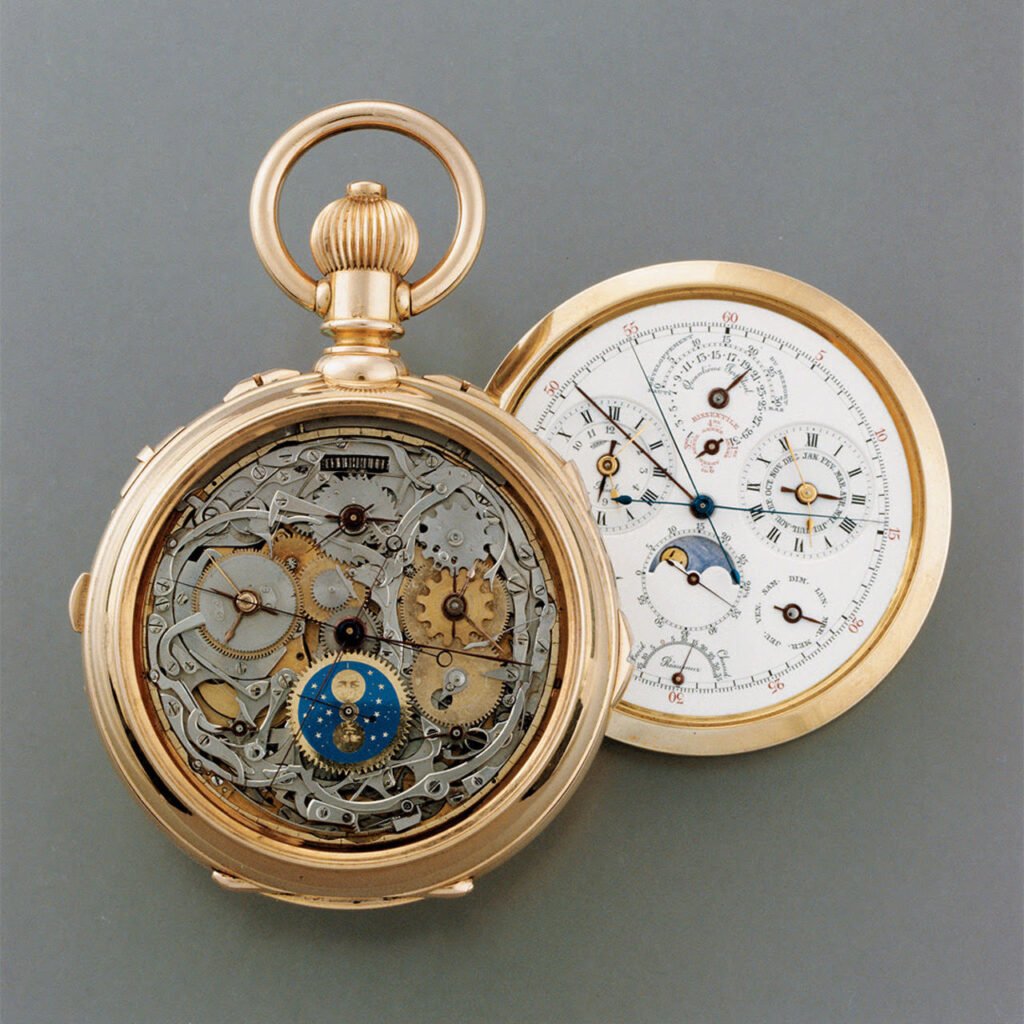
That philosophy bore fruit almost immediately. By 1882, Audemars Piguet had produced its first grande complication movement. By 1892, it had developed the world’s thinnest pocket watch movement at the time. And in 1899, just 24 years after its founding, the manufacturer unveiled L’Universelle, a pocket watch so complicated that it would not be meaningfully surpassed for over a century. It contained a grande sonnerie, minute repeater, perpetual calendar, split-seconds chronograph, and a host of other mechanisms assembled into a single case. It was built for Union Glashütte in Germany and served notice that this small company in the mountains was operating at a level no one else had yet reached.
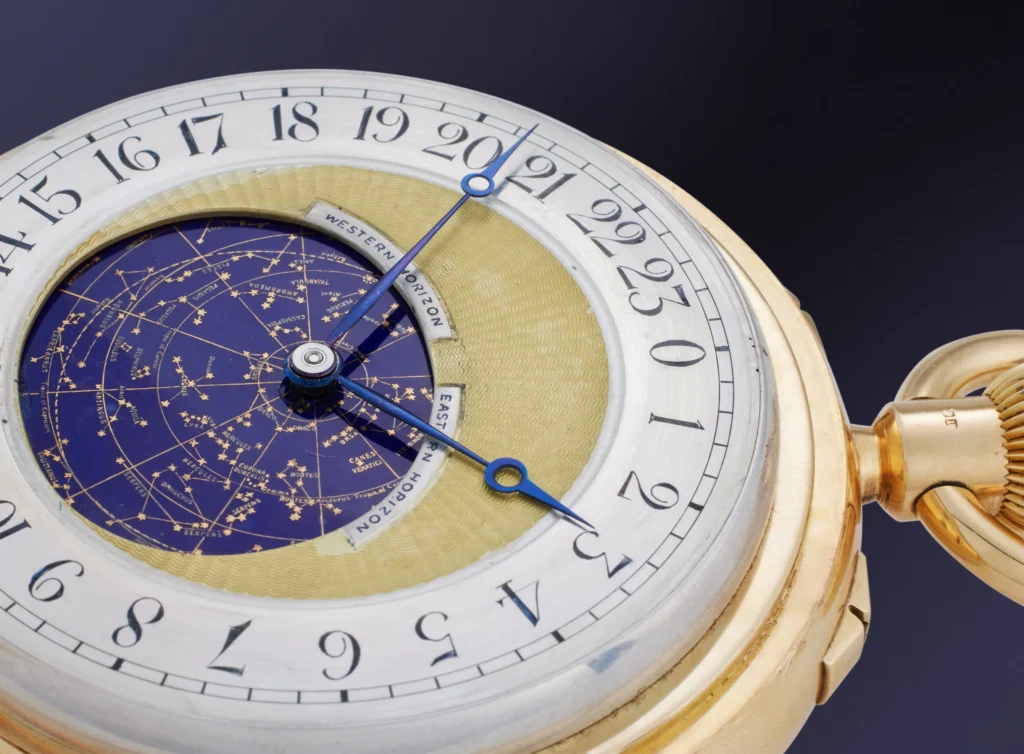
Then came 1921’s La Grosse Pièce, delivered to S. Smith & Sons in London, the brand’s second ultra-complicated pocket watch. And then, in 1972, something that would change the entire watch industry: the Royal Oak.
The Watch That Broke the Rules

When the designer Gerald Genta sketched the Royal Oak on a napkin overnight, delivered to AP’s management the next morning, the proposal seemed borderline absurd. A luxury sports watch in stainless steel, with an exposed octagonal bezel and integrated bracelet, priced higher than any gold watch from most competitors. The year was 1972. The watch industry was reeling from the arrival of the quartz movement, and most manufacturers were retreating into conservatism. Audemars Piguet did the opposite.
The Royal Oak became one of the most important watches ever made. It established the category of the luxury sports watch, defined a generation of collectors, and gave Audemars Piguet the commercial foundation to pursue ever more radical complications in the decades that followed. It remains, more than 50 years later, the watch that most people think of when they hear the brand’s name.
But while the Royal Oak dominated the public conversation, the manufacturer never stopped pushing the limits of what a movement could do. The ultra-thin calibre 2120/2800 arrived in 1978. The world’s first perpetual calendar wristwatch with leap year indication was introduced in 1955. And in 2023, the Code 11.59 Universelle, powered by the groundbreaking Calibre 1000, demonstrated that a single wristwatch could host over 40 functions, including a grande sonnerie, a tourbillon, and a split-seconds chronograph, while remaining genuinely wearable.
Calibre 1000 was described by many in the industry as a generational achievement. Audemars Piguet took that achievement and used it as a foundation.
The Machine Inside: Calibre 1150
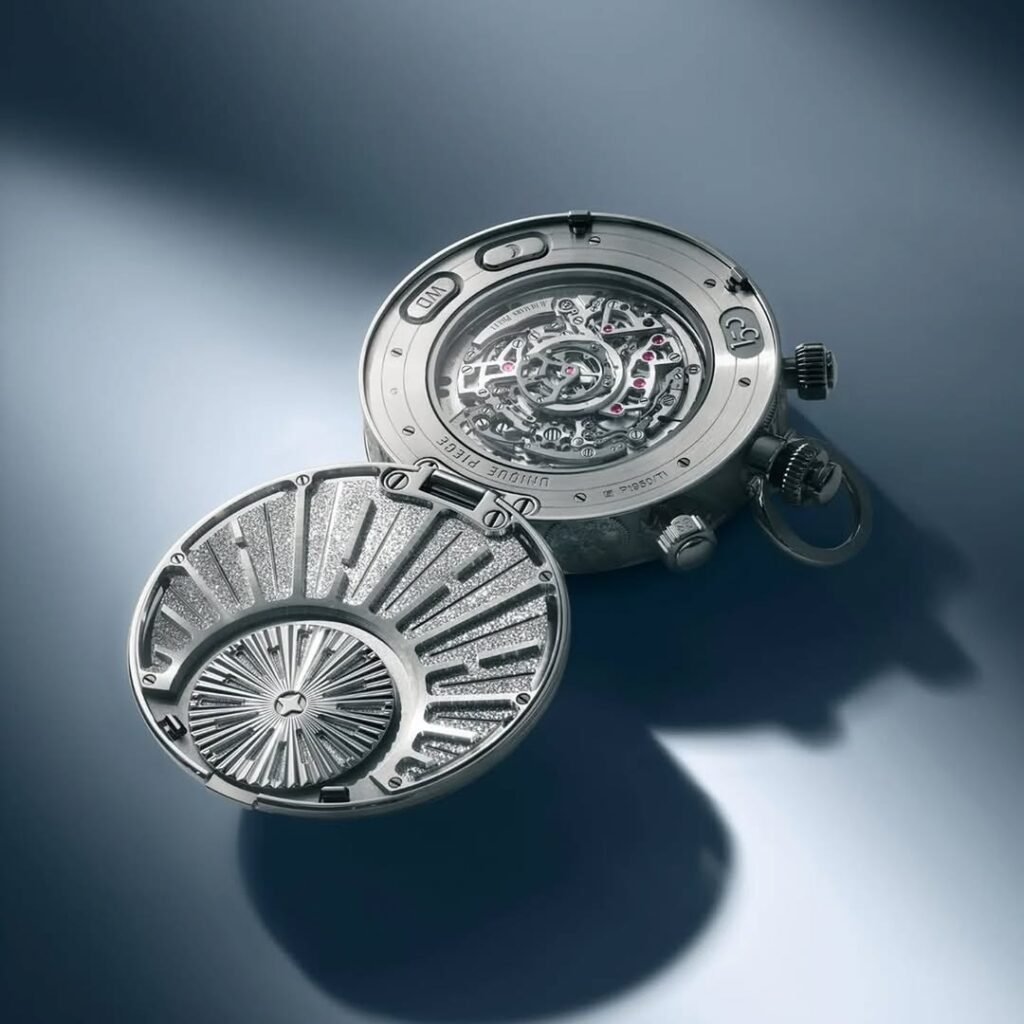
The Calibre 1150 begins with the architecture of Calibre 1000, but calling it an adaptation would be misleading. Audemars Piguet rethought the movement from the inside out, removing the automatic winding system in favor of manual winding, a more natural fit for a pocket watch, and entirely reimagining how a person interacts with its functions. The result is a hand-wound movement measuring 34.3mm in diameter and 8.8mm in thickness, housing a staggering 1,099 components across 90 jewels, beating at 21,600 vibrations per hour with a minimum power reserve of 60 hours.
What Calibre 1150 does with those components is remarkable. The movement carries up to 47 functions; the exact count varies depending on whether one applies the standards of the Federation of the Swiss Watch Industry, which could put the total as high as 60, among them 22 to 30 recognized horological complications. These include a grande sonnerie, petite sonnerie, and minute repeater enhanced by AP’s Supersonnerie acoustic technology; a split-seconds flyback chronograph; a flying tourbillon at 6 o’clock; and a semi-Gregorian perpetual calendar accurate enough to correctly handle century years as non-leap years, a correction that most perpetual calendars skip entirely.
The Universal Calendar: A Clock for All Civilizations
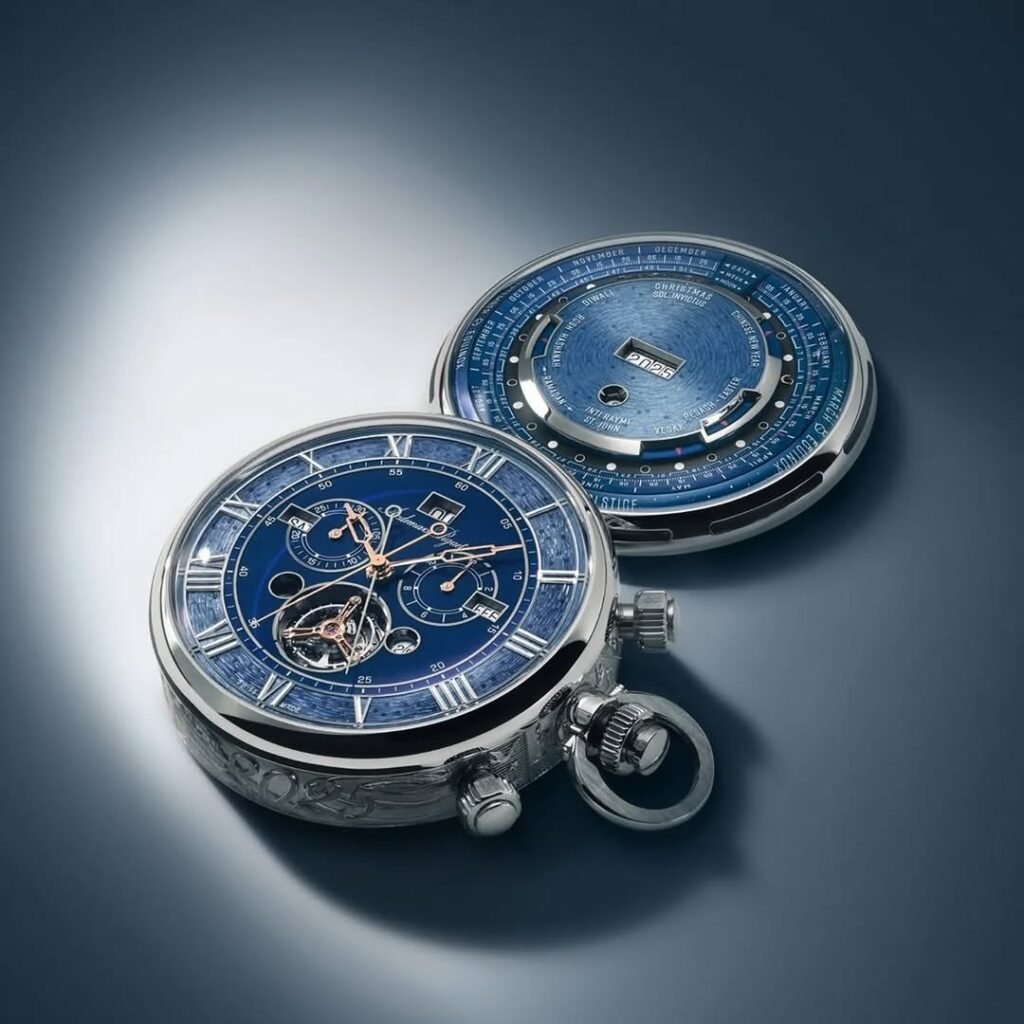
When a discreet push at 6 o’clock swings the caseback open to 180 degrees, revealing, incidentally, the Supersonnerie sapphire soundboard that amplifies the chiming mechanism, a second dial comes into view. This is the Universal Calendar: a fully mechanical, independent lunisolar calculator that has no connection to the main movement and requires no power reserve to operate. Using a bidirectional rotary selector, the owner can navigate to any year between 1900 and 2099 and view a 360-degree panorama of 18 indicators: year, leap year, months, dates, weeks, moon phase, solstices, equinoxes, and nine cultural celebrations drawn from traditions across the world.
Those nine celebrations are what set this mechanism apart from anything previously attempted in watchmaking. They include solar events like Christmas and Saint John’s Day; lunar events like the beginning of Ramadan; and lunisolar events such as Catholic Easter, Chinese New Year, Diwali, Rosh Hashanah, and Vesak. The Universal Calendar does not organize these according to a single tradition’s logic. It presents them in parallel, linking each celebration directly to the celestial phenomenon, the position of the sun, the phase of the moon, or both, that defines it. Time, the watch quietly argues, is not one thing. It is many things simultaneously, depending on who is measuring it and why.
Building a mechanical device that reliably calculates these varied cycles for two centuries of dates, with no electronics and no external power, required years of research and engineering that Audemars Piguet’s team describes as among the most challenging in the manufacture’s history.
An Object Made by Hand, to Be Held by Hand
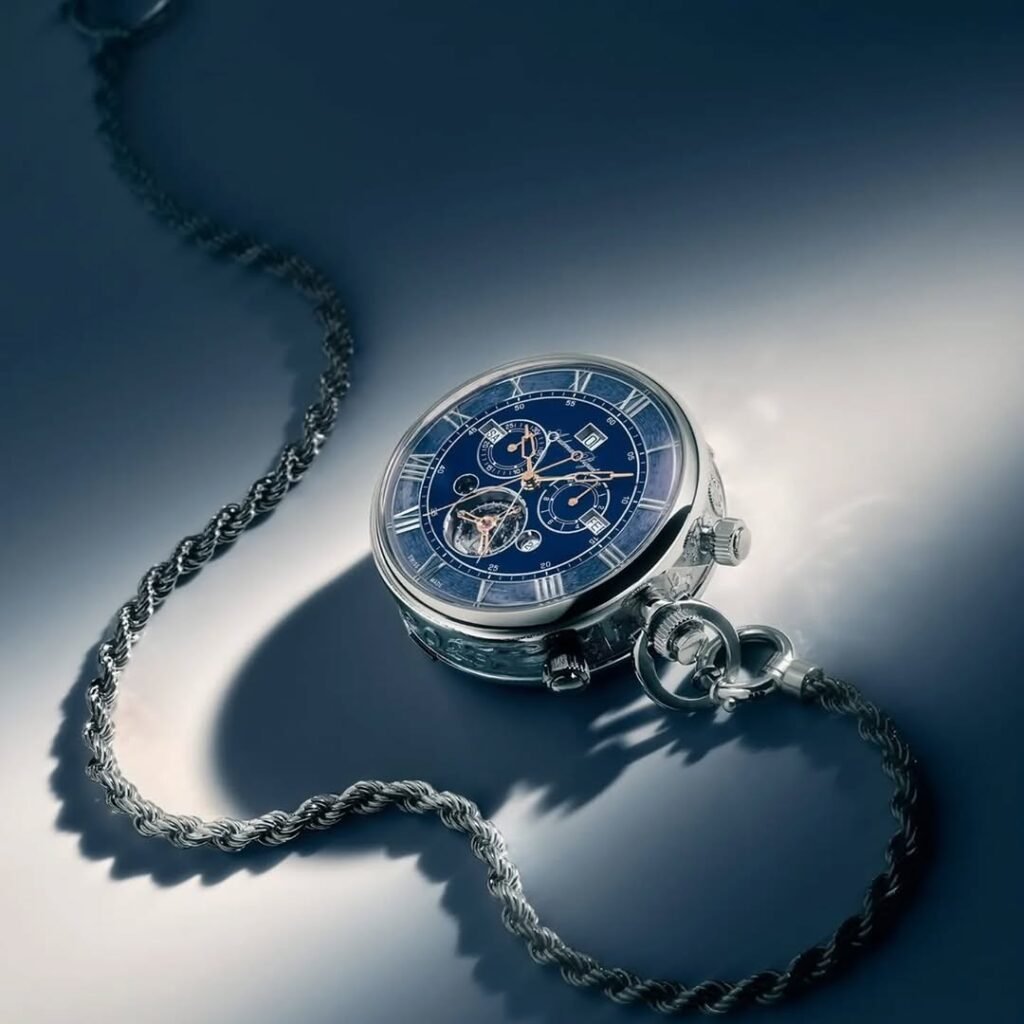
None of this would matter if the 150 Heritage were not also extraordinarily beautiful. The 50mm platinum case is entirely covered in hand engraving, a process requiring weeks of concentrated labor, depicting star trails, portraits of the founders Jules-Louis Audemars and Edward-Auguste Piguet, and the 150th anniversary emblem. The main dial is cast in 18-carat white gold and finished with blue translucent grand feu enamel, its Roman numerals individually hand-engraved above fields of star-trail decoration. The hands are in 18-carat pink gold, chosen for the warmth of their contrast against the cold blue field. The split-second hand is white gold. A handmade platinum chain, 40 centimeters long, accompanies the watch.
The result is an object that rewards both distance and closeness, architecturally composed from across a room, minutely detailed in the hand.
Only two examples of the 150 Heritage exist in platinum, each unique. Further editions in white gold are planned in a limited run of eight, priced at approximately CHF 2.35 million. The platinum versions are priced at CHF 2.5 million. They are not, as Audemars Piguet would be the first to acknowledge, watches for everyone. They are watches for the record — proof of what is possible when a manufacturer dedicates itself, across 150 years, to the idea that a mechanical object can also be a work of thought.
Why It Matters
In an era when most timekeeping happens on a glass screen inside a pocket, a platinum pocket watch with a mechanical lunisolar calendar for nine world religions and 1,099 movement components might seem like an act of magnificent irrelevance. But that reading misses the point.
The 150 Heritage is a document. It records what a group of human beings, working with their hands and their minds in a Swiss valley, were able to build in the year 2025 and 2026, not with circuits, not with software, but with metal, springs, and the accumulated knowledge of a craft that stretches back centuries. It is a monument to the proposition that some things are worth doing not because they are practical, but because they are true.
Audemars Piguet has spent 150 years making that argument. The 150 Heritage makes it again, more forcefully than ever.