
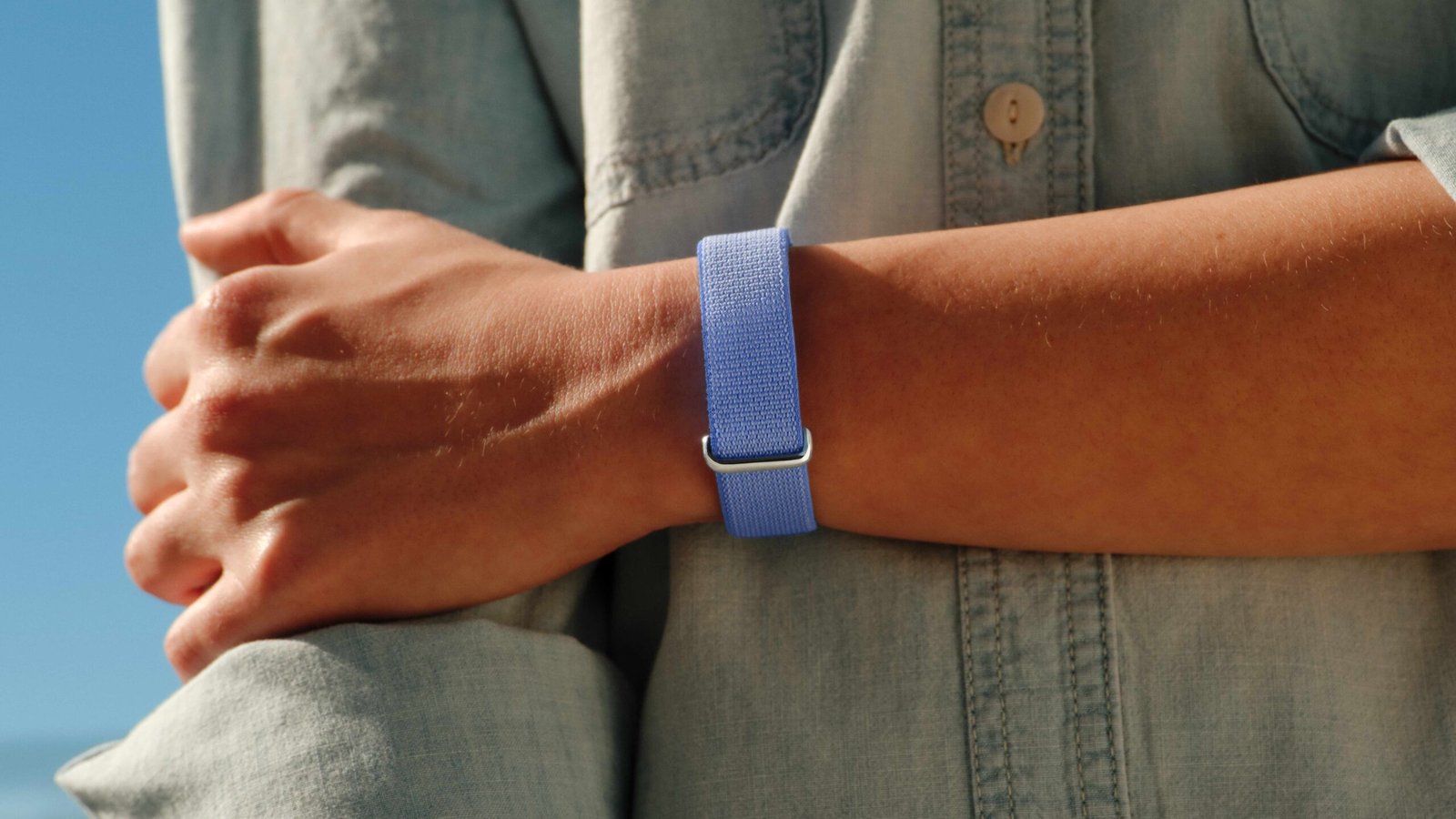
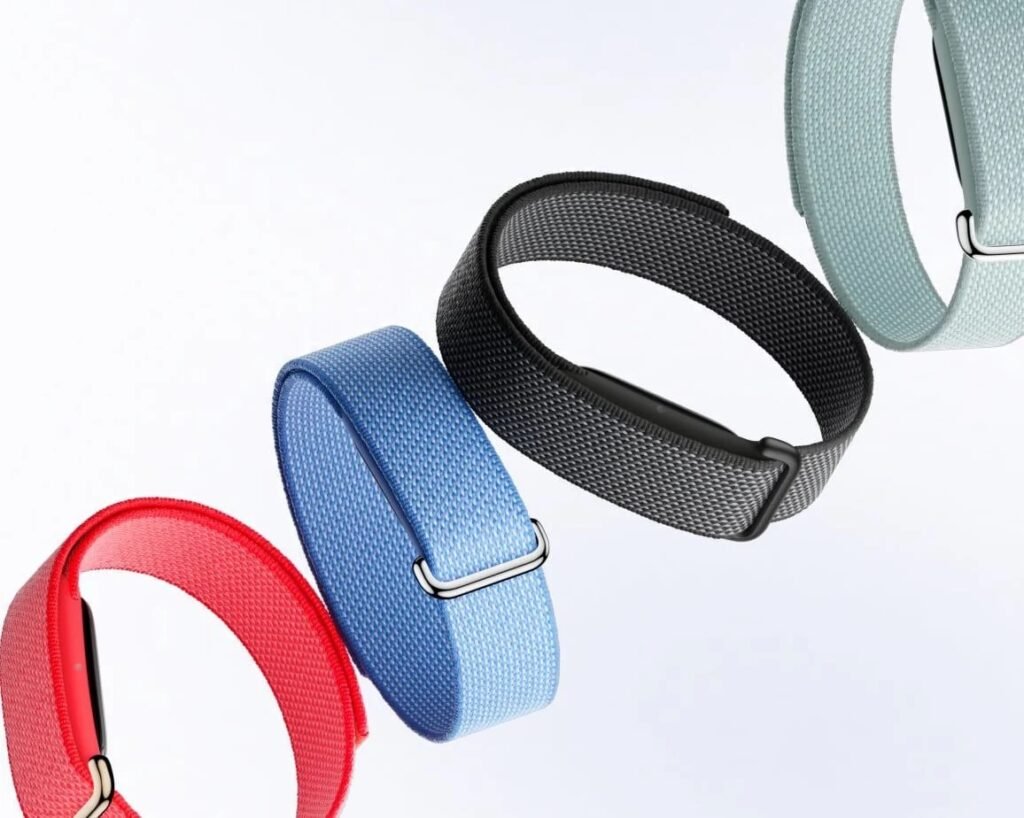
Google launched the Fitbit Air on May 7th, a screenless wrist tracker priced at $99.99, designed for comfortable 24/7 health monitoring. No display, no buttons, no notifications pulling you out of your day. The entire device fits into a pill-shaped pebble, 25% smaller than the Fitbit Luxe and 50% smaller than the Inspire 3, that sits silently on the wrist and gets out of the way. It is the clearest articulation yet of a design philosophy that WHOOP pioneered but that Google is now bringing to a much wider audience: the best wearable is the one you forget you are wearing.
What It Tracks
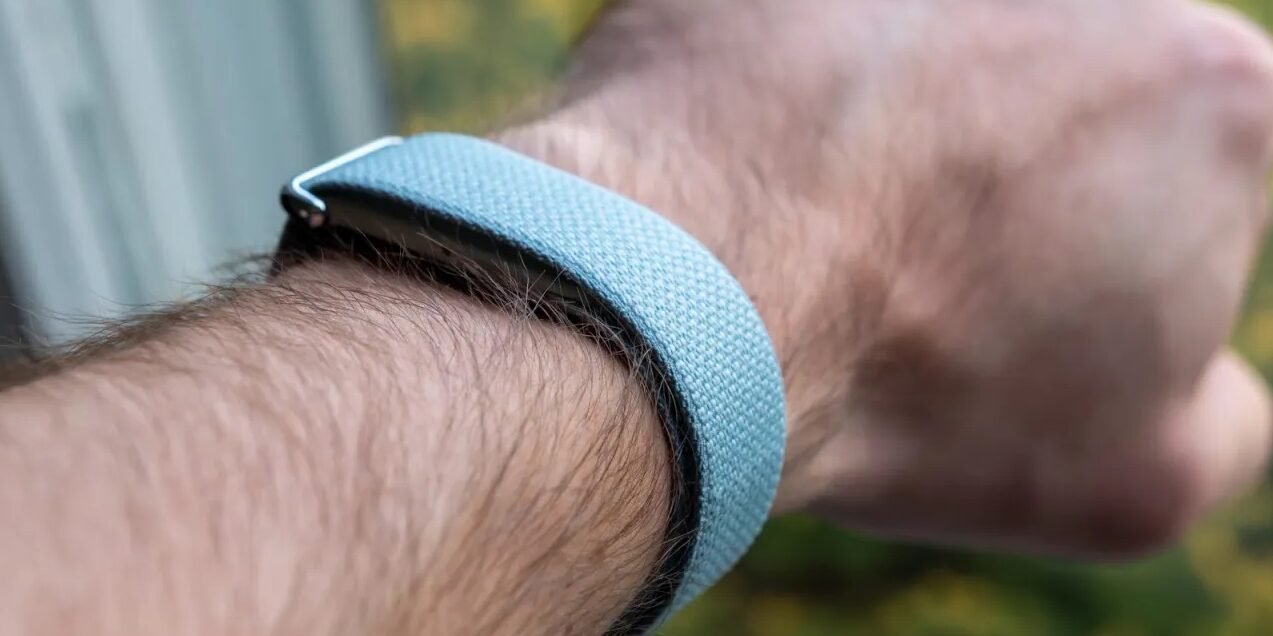
The Fitbit Air tracks 24/7 heart rate, heart rhythm monitoring with AFib alerts, SpO2, resting heart rate, heart rate variability, skin temperature, sleep stages and duration, and automatic activity detection. Battery life runs up to seven days, with fast charging that delivers a full day of power in just five minutes. It is water resistant to 50 metres, works on both Android and iOS, and connects to the newly relaunched Google Health app, the platform that is replacing the Fitbit app entirely from May 19th onward.
The AI Coach
Every purchase includes three months of Google Health Premium, which gives access to the Google Health Coach, a Gemini-powered AI that functions as a personal trainer, sleep coach, and wellness advisor in one. It can build custom workout plans, analyse sleep patterns, assess recovery data, and answer health questions in natural language. After the trial, Google Health Premium costs $9.99 per month, but the device works without it for basic tracking.
Why It Matters
The Fitbit Air is Google’s most direct challenge to WHOOP, which runs a subscription-only model at $30 per month with no upfront hardware cost. At $99.99 with no mandatory subscription, the Fitbit Air makes the screenless tracker category genuinely accessible. For a generation that is serious about health data but tired of being tethered to another glowing screen on their wrist, Google has built something that makes a strong case for itself, quietly, which is precisely the point.