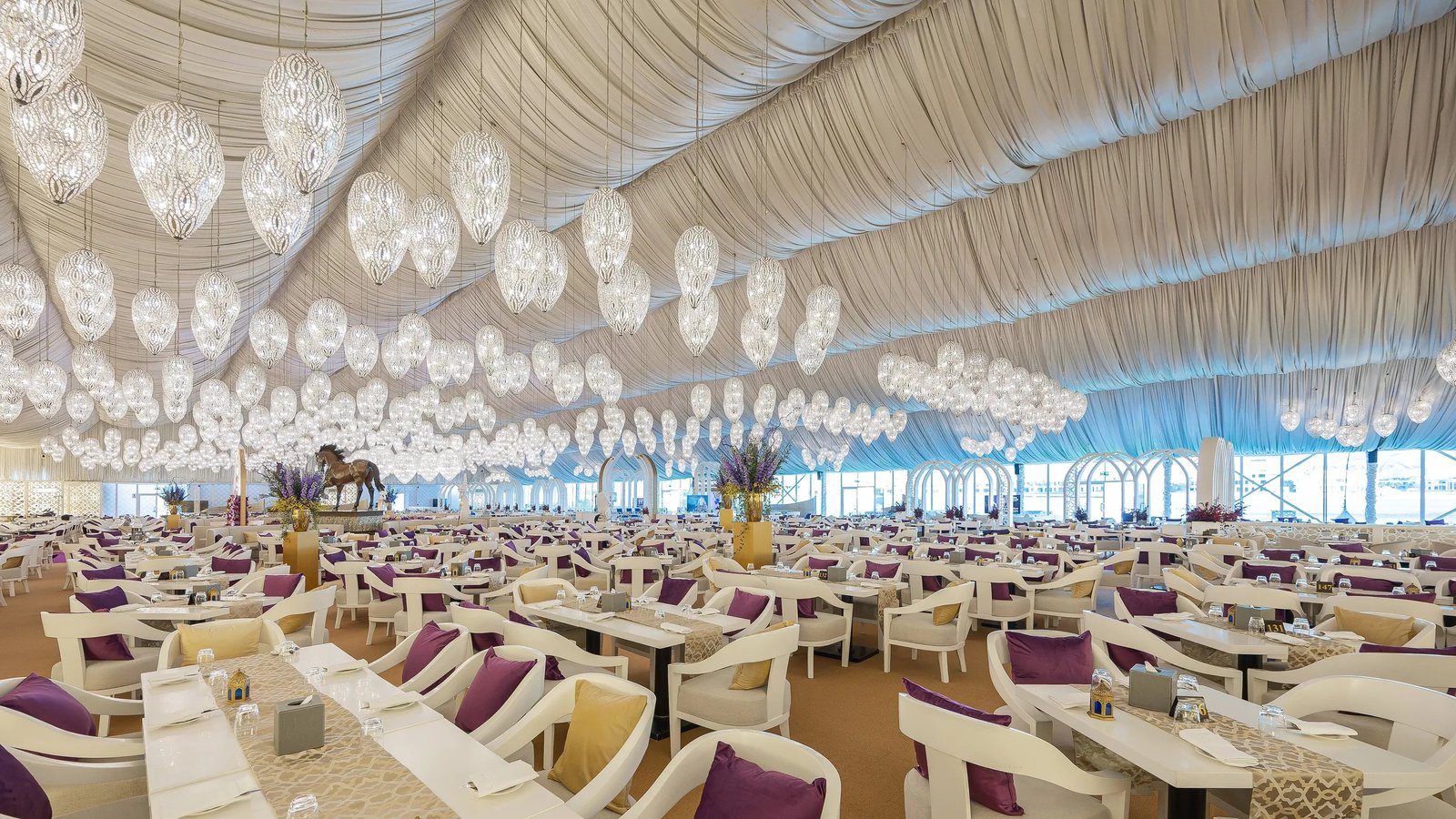

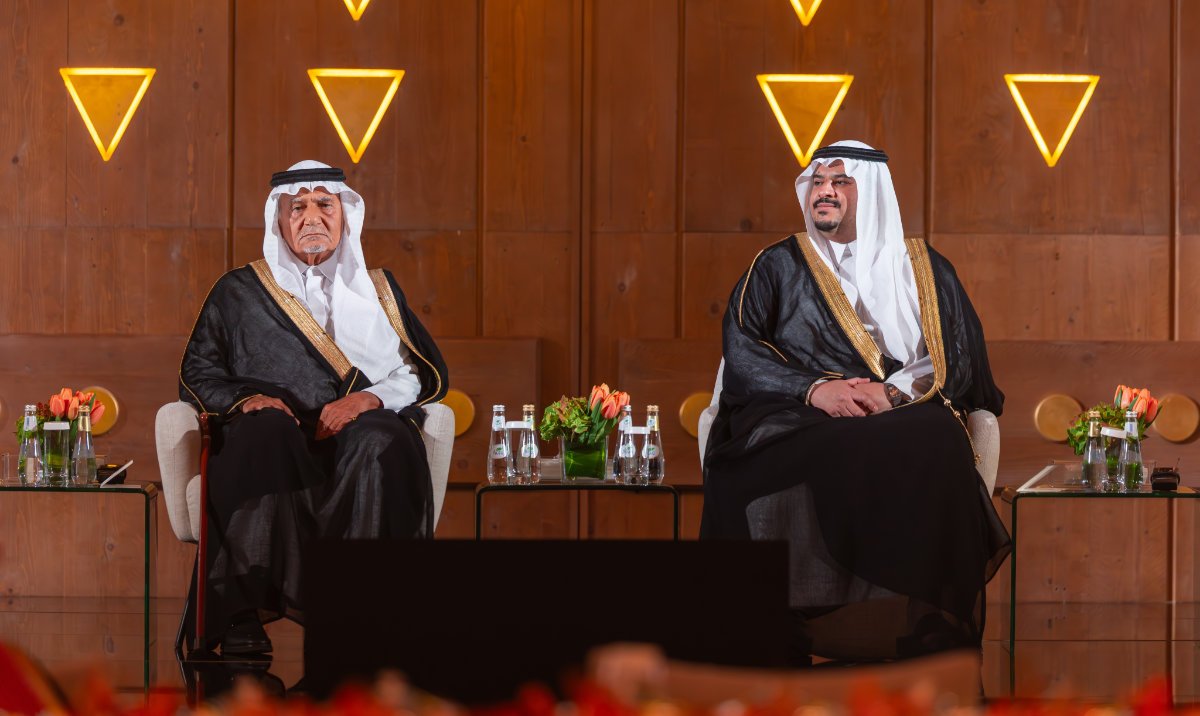
On the evening of April 15, HRH Prince Turki Al-Faisal, Acting Chairman of the Board of Trustees of King Faisal Foundation, presided over the 48th session of the King Faisal Prize ceremony, a landmark edition that coincides with the Foundation’s 50th anniversary. Since 1979, the prize has honoured some of the world’s most consequential minds across five categories: Service to Islam, Islamic Studies, Arabic Language and Literature, Medicine, and Science. To date, it has recognised 308 laureates from 45 countries. This year’s edition was, by any measure, one of the strongest.
The 2026 Laureates
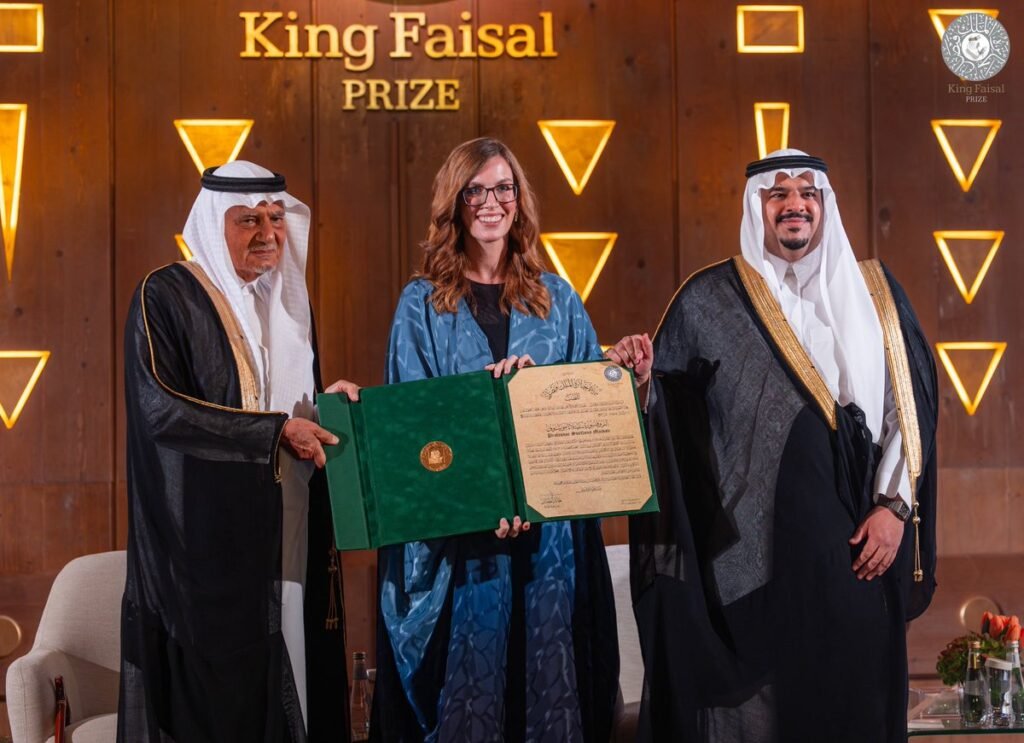
In Medicine, the prize went to a name that has become quietly central to one of modern science’s biggest stories. Professor Svetlana Mojsov of The Rockefeller University in New York was recognised for pioneering research on glucagon-like peptide-1 (GLP-1), a natural intestinal hormone that regulates blood sugar and appetite, work that laid the scientific foundation for an entirely new class of medications now reshaping how obesity and diabetes are treated globally. Her research preceded the drugs the world now knows by name, making her recognition here long overdue and entirely deserved.
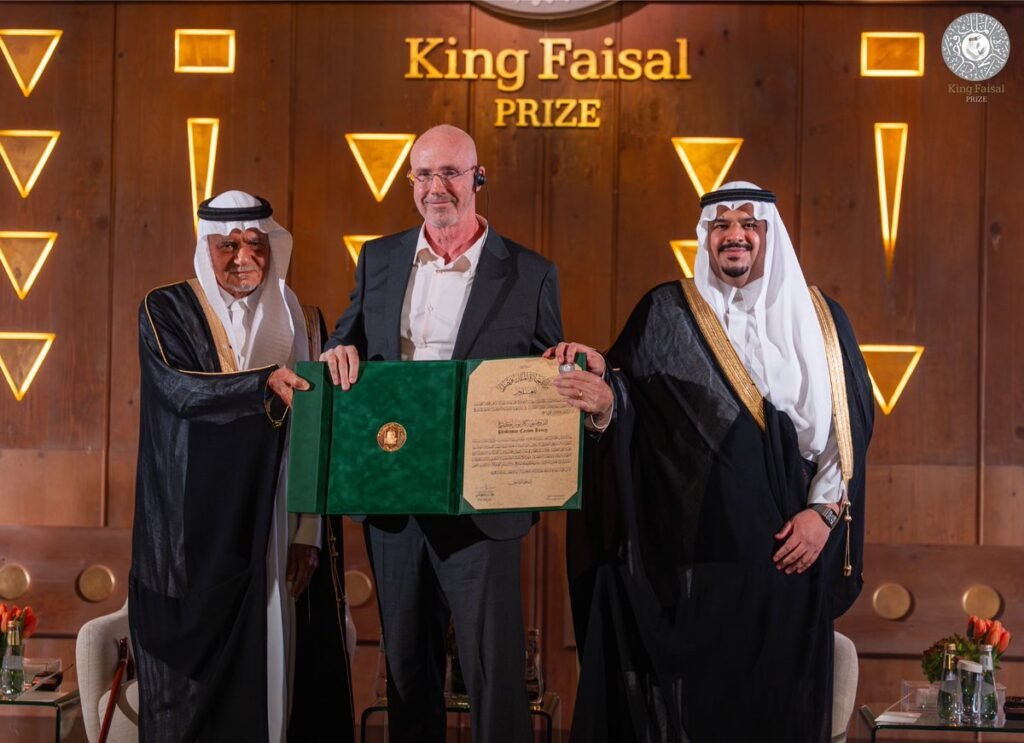
In Science, Professor Carlos Kenig was honoured in the field of mathematics for revolutionising the understanding of nonlinear partial differential equations. In Arabic Language and Literature, French scholar Pierre Larcher, emeritus professor at Aix-Marseille University, won for his work on Arabic literature in French, including his critical translation of Al-Mu’allaqat and rigorous study of pre-Islamic poetry.Sheikh Abdullatif Al-Fozan and Dr. Mohammad Abou Moussa were announced as co-laureates in the Service to Islam Prize.
What Each Prize Is Worth
The recognition carries real weight, not just symbolically. Each laureate receives $200,000, a 24-carat gold medal weighing 200 grams, and a certificate inscribed with their name and a summary of the qualifying work.
For nearly five decades, the King Faisal Prize has operated from a simple conviction: that excellence deserves to be seen, regardless of where it comes from. This year’s laureates, spanning biochemistry, mathematics, Arabic philology, and humanitarian service, make that argument better than any ceremony could.